


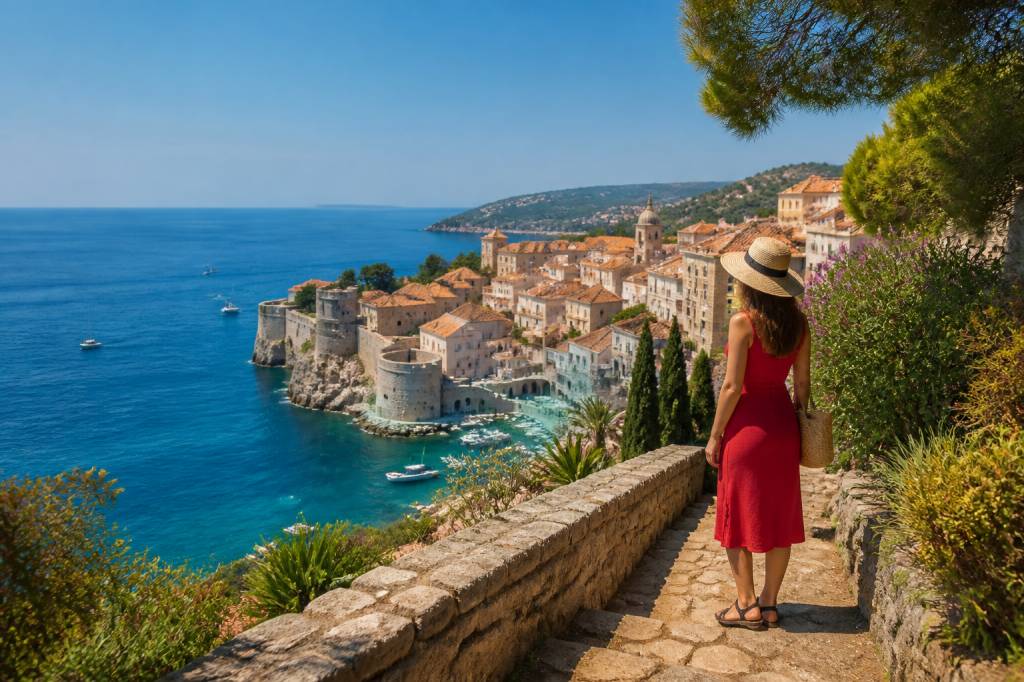
The south of France has a way of making an ordinary holiday feel wonderfully cinematic. Think sun-warmed streets, sleepy village squares, sparkling Mediterranean water and long lunches that somehow turn into evening drinks. Whether you are planning a stylish city break, a beach escape or a road trip through lavender country, this corner of France has something to suit every kind of traveller.
From glamorous coastal resorts to peaceful hilltop villages, these are some of the best places to visit in the south of France for an unforgettable holiday. Pack comfortable shoes, a light wardrobe and an appetite for very good food. You will need all three.
Nice: the perfect introduction to the French Riviera
Nice is one of the easiest places to fall in love with. It combines the energy of a city with the relaxed feel of a seaside resort, making it an excellent base for exploring the French Riviera.
Begin with a stroll along the Promenade des Anglais, the famous waterfront boulevard that stretches beside the Baie des Anges. You can walk, cycle or simply find a blue chair and watch the world go by. In the morning, the sea is beautifully calm; by sunset, the promenade becomes one of the best places in the city for a scenic wander.
Nice’s Old Town, or Vieux Nice, is ideal for getting happily lost. Its colourful buildings, narrow lanes and lively squares are filled with cafés, small shops and local food stalls. Visit the Cours Saleya market for flowers, fresh produce and regional specialities. Be sure to try a traditional socca, a savoury chickpea pancake that makes a delicious snack between sightseeing stops.
For the best views, climb up to Castle Hill. There is no longer a castle at the top, but the panoramic view over Nice and the coastline is more than enough compensation. If you prefer not to tackle the steps, there is a lift available. Holidays are about enjoying yourself, after all, not setting a personal record.
Nice is also well connected by train and bus, so it is easy to visit nearby destinations such as Antibes, Menton and Villefranche-sur-Mer without hiring a car.
Antibes: beaches, art and old-town charm
Antibes offers a slightly slower pace than Nice while still providing plenty to see and do. The old town is surrounded by historic ramparts, and its cobbled streets are lined with boutiques, galleries and restaurants.
One of the town’s highlights is the Picasso Museum, housed in the Château Grimaldi. Picasso worked here for a short time, and the museum now displays a fascinating collection of his paintings, drawings and ceramics. Even if modern art is not usually your thing, the setting overlooking the sea is worth visiting.
Antibes is also home to Port Vauban, one of the largest marinas in Europe. Take a walk around the harbour to admire everything from elegant sailing boats to enormous superyachts. It is excellent for people-watching, especially when you start wondering what one of those boats costs to fill with fuel.
For a beach day, head towards Cap d’Antibes. The coastline has a mix of sandy beaches and rocky coves, with clear water that is perfect for swimming. The coastal walking path is particularly beautiful and offers peaceful views away from the busier town centre.
Cannes: glamorous, lively and surprisingly walkable
Cannes may be famous for its film festival, but you do not need a red-carpet invitation to enjoy it. The city is easy to explore on foot and combines glamour with plenty of relaxed holiday pleasures.
Start on La Croisette, the iconic boulevard lined with palm trees, designer shops, luxury hotels and beaches. The public beaches are a more affordable way to enjoy the same beautiful stretch of coastline as the glamorous private clubs. Bring a towel, sunglasses and perhaps a little confidence when walking past the designer window displays.
For a different perspective, climb up to Le Suquet, Cannes’ oldest neighbourhood. The narrow streets lead to a hilltop church and a viewpoint overlooking the harbour and the city. It is especially lovely in the early evening when the rooftops begin to glow in the soft Mediterranean light.
Cannes is also a useful base for a boat trip to the Lérins Islands. Île Sainte-Marguerite is known for its woodland paths, clear swimming spots and the historic Fort Royal. Île Saint-Honorat is quieter and has a long history of wine production by the monks who live there. A boat ride, a picnic and a swim? That is a holiday day well spent.
Monaco and Monte-Carlo: a glamorous day trip
Although Monaco is an independent principality rather than part of France, it is an easy and popular day trip from Nice or Cannes. The train journey is scenic, following the coastline and passing through some beautiful Riviera towns along the way.
Monte-Carlo is known for its casino, grand hotels and impressive cars, but there is more to the principality than luxury shopping and sports cars. Visit the Prince’s Palace in Monaco-Ville, explore the old town and stop at the Oceanographic Museum, which sits dramatically on the cliffside.
The Exotic Garden is another worthwhile stop, with an impressive collection of cacti and succulents overlooking the Mediterranean. It is a reminder that even plants seem to live a particularly stylish life in Monaco.
Monaco is compact, but the streets can be steep. Comfortable footwear is essential, especially if you plan to explore beyond the main attractions. Public lifts and escalators make getting around easier, although a little planning will save you from walking uphill in the midday heat.
Saint-Tropez: beaches and Provençal character
Saint-Tropez has a glamorous reputation, yet its appeal goes beyond celebrity sightings and expensive beach clubs. The old port, pastel buildings and traditional Provençal streets give the town plenty of character.
Spend time around the harbour, where colourful boats sit beside cafés and restaurants. Wander through the old quarter and visit the Place des Lices, a pretty square where locals gather for pétanque. On market days, the square fills with stalls selling clothing, baskets, ceramics, fruit and regional food products.
The beaches around Saint-Tropez are some of the most famous in the south of France. Pampelonne Beach is the best known, with long stretches of sand and a selection of beach restaurants. During the height of summer, traffic can be heavy, so consider travelling early or visiting in September when the weather remains warm but the crowds are usually lighter.
For a quieter experience, take a boat trip from the port or explore the nearby coastal paths. Saint-Tropez is at its most enjoyable when you balance a little glamour with slow mornings and long lunches.
Aix-en-Provence: art, markets and elegant streets
Aix-en-Provence is one of the most beautiful cities in Provence and a wonderful choice if you prefer culture, architecture and food to beach resorts. Its elegant streets are shaded by plane trees, and fountains appear around almost every corner.
The Cours Mirabeau is the city’s grand central avenue, lined with cafés, historic buildings and large trees. It is the ideal place for a morning coffee or an evening aperitif. From here, wander into the old town to discover small boutiques, bookshops and bakeries.
Aix is closely associated with the painter Paul Cézanne, who was born here and often painted the surrounding landscapes. Art lovers can visit his studio, preserved much as it was during his final years, or take a walking route through places connected to his life.
The city’s markets are also a highlight. Depending on the day, you may find fresh fruit, cheese, flowers, antiques and handmade products. Pick up a few local treats for a picnic, then sit beneath the trees and enjoy them at your own pace. No complicated itinerary required.
Avignon: history behind impressive walls
Avignon is one of the best places in Provence for history and architecture. Its medieval walls surround a lively city centre filled with cafés, restaurants, galleries and shops.
The Palais des Papes is the city’s most famous landmark. This enormous Gothic palace was home to the popes during the 14th century and remains one of the largest medieval buildings in Europe. The interiors are fascinating, while the upper terraces provide sweeping views across Avignon and the Rhône.
You will also find the famous Pont d’Avignon, officially known as the Pont Saint-Bénézet. Only part of the original bridge remains, but its story and setting make it well worth visiting. It is one of those attractions that is even more enjoyable when you know the song associated with it will probably be stuck in your head afterwards.
If you visit in July, Avignon hosts one of France’s most important theatre festivals. The city becomes wonderfully theatrical, with performances taking place in venues throughout the historic centre. Book accommodation early if you plan to travel during the festival season.
The Luberon: villages, vineyards and lavender landscapes
For a classic Provence experience, head into the Luberon. This scenic area is filled with hilltop villages, vineyards, olive groves and fields of lavender. It is particularly beautiful in summer when the lavender is in bloom, usually from late June to early August depending on the weather.
Gordes is one of the most recognisable villages in the region, with stone houses climbing dramatically up the hillside. Visit early in the morning or later in the afternoon to enjoy the views without the busiest crowds.
Roussillon is famous for its red and ochre cliffs. The Ochre Trail takes you through a striking landscape of rust, orange and golden tones. Wear shoes that can cope with uneven paths, and avoid white clothing unless you enjoy collecting souvenirs in the form of orange dust.
L’Isle-sur-la-Sorgue is another charming stop, known for its canals, waterwheels and antique shops. It is a lovely place to browse for French furniture, vintage finds and unusual homeware. The town’s markets are particularly popular with visitors looking for beautiful items to take home.
A car is the easiest way to explore the Luberon, as many of the prettiest villages are not well connected by public transport. Allow yourself plenty of time. The joy of this region lies in stopping for photographs, local wine and pastries whenever the mood takes you.
Marseille: bold, colourful and full of character
Marseille is one of the south of France’s most distinctive cities. It is energetic, multicultural and occasionally a little rough around the edges, which is precisely what gives it so much personality.
The Vieux-Port is the natural starting point. Boats leave from here for nearby islands and coastal attractions, while cafés and restaurants line the waterfront. From the port, walk up to the Basilique Notre-Dame de la Garde for one of the best views in the city.
The colourful Le Panier neighbourhood is perfect for an afternoon wander. Its narrow streets are filled with murals, independent shops and small cafés. The area has a creative, village-like atmosphere and is ideal for discovering a different side of Marseille.
Food is a major part of the city’s appeal. Try bouillabaisse, Marseille’s famous fish stew, or sample a panisse made from chickpea flour. The city is also a gateway to the Calanques National Park, where dramatic limestone cliffs meet bright blue water. Boat tours are available, while experienced walkers can explore some of the trails on foot.
During the warmer months, access to certain trails may be restricted because of wildfire risk, so check local advice before setting off.
Collioure: a colourful coastal escape
Near the Spanish border, Collioure is a small seaside town with a distinctly artistic atmosphere. Its colourful harbour, little beaches and church tower create one of the prettiest views in the Occitanie region.
The town inspired artists including Henri Matisse and André Derain, and it is easy to see why. Brightly painted boats sit on the water, while the surrounding hills are covered with vineyards and Mediterranean vegetation.
Visit the Château Royal, explore the narrow streets and stop for local specialities such as anchovies, seafood and Catalan-style dishes. Collioure is compact enough to enjoy over a day, but staying overnight allows you to experience the town after the day-trippers have left.
Useful tips for planning your southern France holiday
-
Choose the right season: July and August are hot and lively, but they are also the busiest months. May, June, September and early October often offer pleasant weather with fewer crowds.
-
Use trains along the coast: Nice, Cannes, Antibes, Monaco and Menton are well connected, making it possible to enjoy a Riviera holiday without hiring a car.
-
Hire a car for Provence: The Luberon, lavender fields and smaller villages are much easier to explore by car.
-
Book popular restaurants: In coastal resorts and famous villages, the best tables can fill quickly, particularly during the summer.
-
Pack for walking: Cobblestones, steps and hilly streets are part of the charm, but stylish sandals are not always practical for a full day of exploring.
-
Respect local traditions: Many shops close for a few hours in the afternoon, and dinner often starts later than visitors from the UK may expect.
The south of France is wonderfully varied. You can spend one morning browsing a Provençal market, the afternoon swimming in the Mediterranean and the evening enjoying dinner beneath plane trees. Whether you choose the glamour of Cannes, the history of Avignon, the landscapes of the Luberon or the creative energy of Marseille, the region rewards travellers who leave a little room for spontaneity.
After all, the most memorable moments are often the unplanned ones: a village found by accident, a perfect beach discovered at the end of a winding road or a long lunch that makes you forget to check the time.