


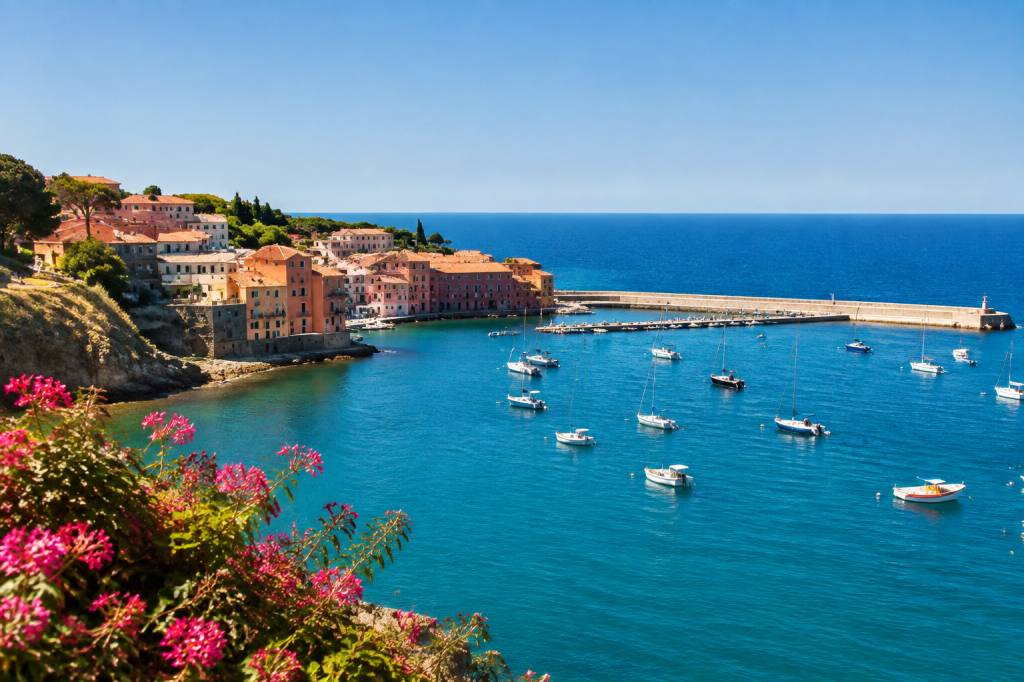
Southern France is the sort of place that makes everyday life feel slightly more glamorous. One minute you are wandering through a colourful market with a paper bag of warm pastries; the next, you are swimming in turquoise water or watching the sun turn a harbour gold. Along the Mediterranean coast, elegant cities sit beside lively beach resorts, historic ports and smaller gems that reward a little curiosity.
From the unmistakable glamour of Cannes to the creative energy of Marseille, this stretch of coastline offers far more than a beautiful view. There are excellent restaurants, independent boutiques, ancient streets, art museums, island escapes and some of the best people-watching in Europe. So, where should you go first?
Nice: the elegant gateway to the Côte d’Azur
Nice is often the first stop for visitors exploring southern France, and it is easy to see why. The city combines the polish of a Riviera resort with the relaxed rhythm of a Mediterranean town. Its famous Promenade des Anglais curves along the seafront, making it perfect for a morning stroll, an evening cycle or a leisurely pause with an ice cream.
The old town, or Vieux Nice, is where the city feels most atmospheric. Expect narrow lanes, brightly painted shutters, small galleries and restaurants serving local specialities. Try socca, a thin savoury pancake made from chickpea flour, or order a plate of salade niçoise for a classic taste of the city.
For the best panoramic view, climb to Castle Hill. There is no longer a castle at the top, but the outlook over the rooftops, Baie des Anges and sparkling sea is more than enough compensation. Go early in the day or close to sunset, when the light is particularly magical and the temperature is kinder to anyone who has underestimated the number of steps.
Nice is also a brilliant destination for shopping. Browse the flower and food stalls at Cours Saleya, look for French skincare brands in local pharmacies and explore the independent design shops tucked into the old town. The city has a wonderful balance of high-street convenience and small, distinctive finds.
- Best for: Promenade walks, markets, food and culture.
- Do not miss: Castle Hill, Cours Saleya and the Matisse Museum.
- Travel tip: Nice is an excellent base for day trips by train to Antibes, Menton and Monaco.
Antibes: beaches, art and old-town charm
Just a short journey from Nice, Antibes feels more intimate and quietly stylish. Its old town is surrounded by impressive stone ramparts, while the marina is filled with everything from small fishing boats to enormous superyachts. It is a place where you can admire serious wealth without needing to own a yacht yourself.
The Picasso Museum is one of Antibes’ highlights. It is housed in the Château Grimaldi, a historic building overlooking the sea, and includes works created by Picasso during his time in the region. Even if you are not usually first in line for an art museum, the combination of creative history and coastal views makes this one worth visiting.
Take time to wander around the Marché Provençal, where stalls sell herbs, cheeses, fruit, spices and regional treats. The market is busiest in the morning, so arrive early if you want to browse without bumping into every other visitor in town. Afterwards, choose a café terrace and watch the world pass by.
For a quieter coastal experience, walk towards Cap d’Antibes. The coastal path offers beautiful views and small coves where you can stop for a swim. The full walk takes a few hours, but even a short section is rewarding. Comfortable shoes are essential; stylish sandals may look lovely in photographs, but the Mediterranean does not care about your outfit planning.
Cannes: glamorous, lively and surprisingly relaxed
Cannes has a reputation for red carpets, designer labels and celebrity sightings, particularly during the famous film festival. Yet outside the festival season, the city is much more approachable than its glamorous image suggests.
Begin along La Croisette, the palm-lined boulevard that runs beside the beach. It is ideal for a slow walk, with luxury hotels on one side and the blue Mediterranean on the other. The public beaches offer a more affordable way to enjoy the setting, while the private beach clubs bring loungers, table service and a touch of Riviera theatre.
Le Suquet, Cannes’ oldest neighbourhood, provides a welcome change of pace. Its steep, winding streets lead to a hilltop church and a viewpoint over the harbour. The area is full of restaurants, so it is a good place to stop for seafood or a Provençal dinner once the day begins to cool.
Shopping in Cannes is a major attraction. Rue d’Antibes is home to well-known fashion and beauty brands, while the streets around Le Suquet are better for smaller boutiques, handmade accessories and holiday gifts. If you are looking for a souvenir that feels more personal than a miniature Eiffel Tower, seek out local ceramics, olive oil or Provençal textiles.
From Cannes, you can also take a boat to the Lérins Islands. Île Sainte-Marguerite is famous for its eucalyptus and pine forests, quiet walking trails and the historic Fort Royal. It is an easy escape when the city feels a little too busy.
Saint-Tropez: the iconic resort with a village heart
Saint-Tropez may be associated with superyachts and summer parties, but its original charm is still very much present. The old port is lined with cafés and restaurants, and the surrounding streets are filled with pastel buildings, art galleries and boutiques.
The town is particularly enjoyable in the morning, before the crowds become too energetic. Visit the Place des Lices market on a Tuesday or Saturday to find fresh produce, flowers, regional foods and Provençal clothing. The market is also a popular spot for locals, which gives it a more genuine feel than some of the resort’s glossier attractions.
Art lovers should visit the Musée de l’Annonciade, a small but excellent museum showcasing works by artists inspired by Saint-Tropez and the surrounding landscapes. For beach time, Pampelonne is the famous choice, with long golden sands and a selection of beach clubs. It can become very busy in July and August, so consider visiting in June or September for a more comfortable experience.
Saint-Tropez is not the easiest destination to reach by road during peak season. Traffic can be intense, particularly at weekends. Travelling by boat from Sainte-Maxime or another nearby port is often more enjoyable and turns the journey into part of the experience.
Marseille: bold, creative and full of character
Marseille offers a completely different atmosphere from the polished resorts further east. France’s oldest city is energetic, multicultural and sometimes gloriously chaotic. It is not trying to be perfect, and that is precisely why so many visitors find it memorable.
The Vieux-Port is the natural starting point. Fishing boats arrive in the morning, cafés spill onto the pavements and the waterfront stays lively well into the evening. From here, walk up to the Basilique Notre-Dame de la Garde for one of the finest views in the city. You can see the port, islands and sprawling urban landscape from above.
The colourful neighbourhood of Le Panier is ideal for exploring on foot. Its steep lanes are decorated with murals and street art, and you will find independent shops, small cafés and studios selling locally made products. It is the sort of area where getting slightly lost is part of the plan.
No visit to Marseille is complete without trying bouillabaisse, the city’s famous fish stew. It can be an elaborate and expensive meal, so check the restaurant’s serving arrangements before ordering. For a more casual option, sample a panisse, another chickpea-based speciality that makes an excellent snack while exploring.
The MuCEM, or Museum of European and Mediterranean Civilisations, is another must-see. Its striking modern architecture sits beside the historic Fort Saint-Jean, creating a fascinating contrast. The museum’s terraces also offer lovely harbour views.
- Best for: History, street art, food and urban culture.
- Do not miss: The Vieux-Port, Le Panier and MuCEM.
- Travel tip: Use public transport or walk where possible; parking in central Marseille can be challenging.
Toulon: a quieter port with a spectacular backdrop
Toulon is often overlooked in favour of better-known Riviera destinations, but it deserves a place on any southern France itinerary. Set between the Mediterranean and dramatic hills, the city has a working harbour, a lively market and a more local atmosphere.
Take the cable car up Mont Faron for wide-ranging views across Toulon and the coast. The journey itself is memorable, particularly on a clear day. At the summit, walking trails and the Mémorial du Débarquement offer opportunities to explore the area’s natural and military history.
Back in the city, the daily market on Cours Lafayette is a wonderful introduction to Provençal life. Pick up fruit, cheese, olives and pastries for a picnic, then stroll towards the port. Toulon is also known for its naval heritage, and boat tours provide a closer look at the large natural harbour.
If you prefer your beach days with fewer crowds, nearby Mourillon offers several sandy coves and a relaxed seaside atmosphere. It is a practical choice for families and anyone who wants easy access to cafés, changing facilities and calm water.
Collioure: a colourful artistic escape
Close to the Spanish border, Collioure feels like a secret shared between France and Catalonia. The town is small, colourful and exceptionally photogenic, with a historic château, a pretty harbour and a church standing directly beside the sea.
Artists including Henri Matisse and André Derain were inspired by Collioure’s intense light and vivid colours. You can follow an art trail through the town to see the scenes that influenced their work. Even without a map, the combination of terracotta roofs, turquoise water and brightly painted boats makes it easy to understand the attraction.
Spend the day swimming, browsing galleries and enjoying seafood in a waterfront restaurant. The town’s steep streets can be tiring in the heat, so plan a slower pace and carry water. Collioure is especially appealing in spring or early autumn, when the weather remains pleasant but the narrow lanes are less crowded.
Do not leave without trying local specialities such as anchovies, Catalan-style dishes and regional wines. Collioure is a small destination, but it has plenty of flavour—literally and otherwise.
Menton: pastel colours on the Italian border
Menton is one of the most distinctive coastal cities in southern France. Known for its pastel façades, subtropical gardens and citrus-growing heritage, it sits almost on the Italian border and has a slightly different character from the rest of the Côte d’Azur.
The old town rises above the seafront in a series of colourful streets and stairways. At the top, the Basilica of Saint Michael offers beautiful views over the rooftops and coast. Down by the water, the beaches are generally calmer than those in Nice or Cannes, making Menton a lovely choice for a slower seaside break.
Visit the Jardin Serre de la Madone or the Val Rahmeh-Menton Botanical Garden to see exotic plants thriving in the mild climate. The city is also famous for its lemons, celebrated each year during the Fête du Citron. Even outside festival season, you will find lemon-themed products in shops and markets, from marmalade to soaps and sweets.
Menton works brilliantly as a final stop on a French Riviera journey, particularly if you plan to continue into Italy. The train connections are convenient, and the border town of Ventimiglia is only a short ride away.
How to plan your Mediterranean city break
The coastline is well connected, but choosing the right base can make your trip much easier. Nice is the most practical option for first-time visitors, thanks to its airport, train station and frequent connections. Marseille is better suited to travellers who want a larger city with a strong cultural identity, while Antibes or Menton offer a gentler pace.
- Best time to visit: May, June, September and early October usually offer warm weather with fewer crowds than the height of summer.
- Getting around: Trains are useful between Nice, Antibes, Cannes, Toulon and Menton. Buses can reach smaller coastal areas, although services may be less frequent.
- What to pack: Comfortable shoes, a light layer for evenings, swimwear, sun protection and a reusable water bottle.
- Where to eat: Look for restaurants filled with locals, book popular spots in advance and try regional dishes rather than sticking to familiar menus.
- Shopping wisely: Markets are ideal for edible gifts, while small boutiques often sell locally made ceramics, textiles, soaps and jewellery.
Whether you want glamour, history, beaches, art or simply a long lunch beside the sea, southern France makes it easy to build a trip around your own style. You can move from a bustling city to a quiet cove in the same afternoon, and every destination brings its own version of Mediterranean magic. The only genuinely difficult decision is deciding which place deserves an extra night.