


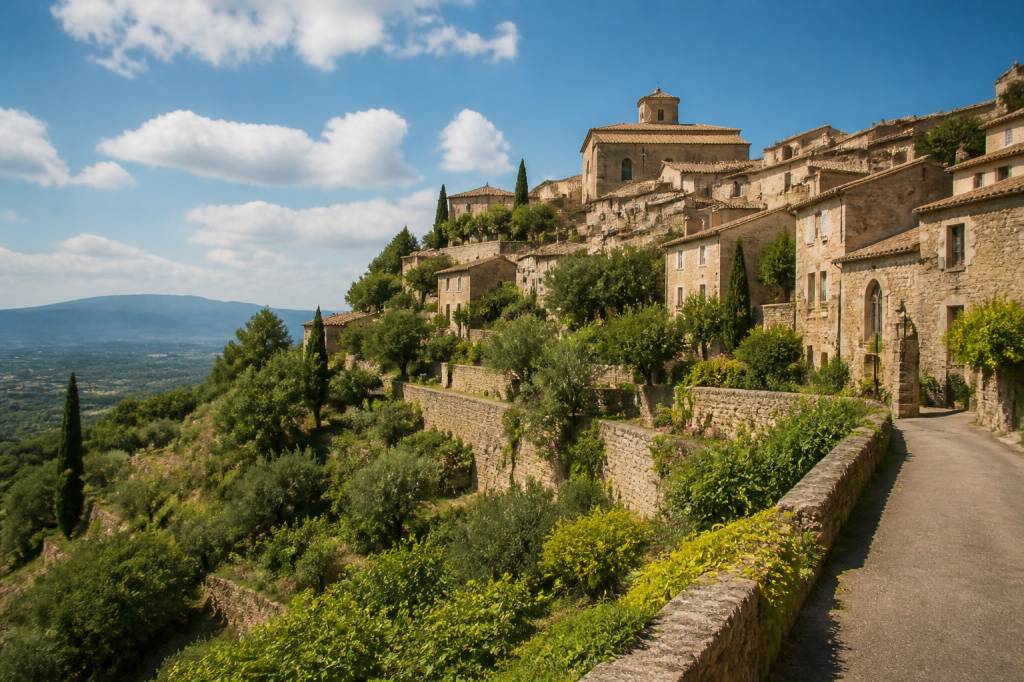
There is a version of the south of France that exists far beyond the glamour of the Riviera. Leave the designer boutiques of Cannes and the busy terraces of Nice behind, and you’ll find a slower, softer landscape of hilltop villages, lavender fields, olive groves and long lunches that seem to have no finishing time.
The countryside of southern France is made for wandering. One minute you are driving along a winding road bordered by plane trees; the next, you are standing in a medieval village with a view stretching across vineyards and distant mountains. Add local markets, excellent food and a little time to browse independent shops, and it becomes the kind of escape that stays with you long after your suitcase has been unpacked.
Whether you have a long weekend or a full week to explore, here are some of the most rewarding places and experiences to add to a south of France countryside adventure.
Choose your corner of the south
“The south of France” covers a wonderfully large area, so it helps to choose a base before you start planning day trips. Provence is ideal if you dream of lavender, vineyards, market towns and warm golden stone. The Luberon, in particular, is perfect for village-hopping, while the area around Avignon combines countryside scenery with plenty of culture.
Further west, the Camargue offers a completely different landscape, with wild horses, pink lagoons, flamingos and wide-open skies. Around Toulouse and the Canal du Midi, the atmosphere is greener and more relaxed, with waterside cycling routes and handsome villages. The Dordogne, although technically outside Provence, is another excellent choice for food lovers, riverside scenery and historic villages.
For a first visit, staying somewhere near Aix-en-Provence, Avignon or Saint-Rémy-de-Provence gives you a good balance of easy day trips, restaurants and beautiful countryside. A small guesthouse or a converted farmhouse can be more memorable than a large hotel. Look for somewhere with a terrace, a pool and, ideally, a breakfast featuring local bread and homemade jam. Priorities, obviously.
Village-hopping in Provence
The villages of southern France are not simply pretty backdrops for photographs. Many still have working bakeries, family-run restaurants, weekly markets and small shops selling locally made goods. The best way to explore them is to arrive early, wander without a strict plan and allow yourself time for a coffee or an impromptu browse.
Gordes is one of the most famous villages in the Luberon, dramatically perched on a rocky hillside. Its pale stone buildings appear to climb one above another, and the views across the valley are spectacular. It can become busy in the middle of the day, particularly in summer, so an early morning visit is worth the effort. The village is also a good place to look for ceramics, woven baskets and Provençal textiles.
Roussillon is known for its striking red and ochre buildings. The colour comes from the natural pigments found in the surrounding cliffs, and the result is wonderfully different from the honey-coloured stone found elsewhere in the region. Follow the Ochre Trail for an easy walk through the landscape, then explore the village galleries and small boutiques.
For a quieter experience, consider Lourmarin. With its Renaissance château, shady lanes and attractive cafés, it has a relaxed, lived-in feel. The Friday market is a highlight, offering everything from fruit and vegetables to soaps, linen clothing, baskets and regional specialities. It is the sort of place where you go intending to buy one bar of soap and leave with a hamper, a scarf and a plan to redecorate your kitchen.
Ménerbes, Bonnieux and Lacoste are also worth adding to a Luberon itinerary. Each has its own personality, but all offer the same essential pleasures: steep streets, stone houses, panoramic views and plenty of opportunities to stop for something delicious.
Markets worth planning around
Local markets are one of the easiest ways to understand the character of a region. They are practical, social and wonderfully colourful, with stallholders selling produce that often travelled only a few miles. Market days vary by town and season, so check locally before setting off.
- Apt: one of the largest and most atmospheric markets in the Luberon, especially good for fruit, vegetables, cheese, spices and regional products.
- L’Isle-sur-la-Sorgue: famous for antiques and brocante, as well as food stalls. Allow time to browse the riverside shops and independent dealers.
- Saint-Rémy-de-Provence: a lively market with Provençal fabrics, baskets, herbs, jewellery and plenty of picnic ingredients.
- Uzès: a beautiful setting for a Saturday market, with local produce, handmade goods and a tempting selection of pastries.
- Aix-en-Provence: ideal for combining shopping with sightseeing, from fresh produce and flowers to soap, leather goods and regional delicacies.
Take a reusable bag, some cash and a little patience. Markets are not designed for rushing. Ask before photographing a stallholder or their products, and if you are buying cheese, meat or delicate pastries, plan to keep them cool during the rest of your day.
Eat like a local
Food is one of the great reasons to explore the countryside rather than simply staying in the larger cities. Meals are built around the produce of the season, and even a simple lunch can feel like an event when it is served beneath a plane tree with a view of the hills.
Start the day with a fresh croissant or a slice of tart topped with apricots, cherries or figs. At a market, look for fougasse, a regional flatbread that may be flavoured with olives, onions, herbs or cheese. It makes an excellent picnic, particularly when paired with tomatoes, local goat’s cheese and a handful of cherries.
In Provence, try ratatouille, tapenade, anchoïade and pissaladière. You will find olive oil used generously, along with garlic, basil, thyme and rosemary. Goat’s cheese from the surrounding hills is often served with salad, while lavender honey makes a lovely addition to a breakfast table or a gift to take home.
Do not overlook the region’s wines. The southern countryside produces everything from crisp rosé to full-bodied reds and aromatic whites. Many vineyards welcome visitors for tastings, although it is wise to book ahead during busy periods. If you are driving, look for vineyards offering spitting bowls or consider booking a guided tour so everyone can enjoy the experience responsibly.
For a memorable meal, search for a small restaurant outside the main tourist centres. A short drive can lead to a family-run auberge serving a fixed seasonal menu. These restaurants may not have a long list of options, but that is often part of the appeal: the chef is cooking what is fresh, local and at its best that day.
Scenic escapes beyond the villages
The countryside is not only about charming streets. It is also a place to slow down outdoors, whether you prefer a gentle walk, a cycle ride or simply sitting somewhere beautiful with a cold drink.
The Sénanque Abbey near Gordes is surrounded by lavender fields and is one of Provence’s most recognisable views. The lavender usually flowers between mid-June and mid-July, although the exact timing changes each year. Visit early or late in the day for softer light and fewer visitors, and remember that the fields are working agricultural land rather than public parks.
For dramatic scenery, head towards the Verdon Gorge. Often called the Grand Canyon of Europe, it offers turquoise water, steep limestone cliffs and viewpoints along the winding roads. You can explore by kayak, paddleboard or hiking trail, but check conditions before setting out. Some routes are exposed, and summer heat can be intense.
The Camargue is a wonderful choice if you want wide-open landscapes and wildlife. Look out for white horses, black bulls and pink flamingos around the lagoons. A guided nature tour can help you spot birds without disturbing them, while a cycle route offers a peaceful way to experience the salt marshes and coastal scenery.
Closer to Aix-en-Provence, the landscapes around Mont Sainte-Victoire inspired Paul Cézanne and remain popular with walkers and art lovers. You do not need to be an experienced hiker to enjoy the views, but sensible shoes, water and sun protection are essential. Southern France has a talent for making a short stroll feel deceptively easy until the uphill section appears.
Small-town shopping with a Provençal twist
A countryside escape can be surprisingly rewarding for shoppers, particularly if you prefer pieces with a sense of place. Instead of browsing familiar high-street names, look for independent makers, traditional crafts and practical items that will remind you of the trip every time you use them.
Provençal fabrics are a classic choice. Traditionally printed with botanical or Mediterranean motifs, they are used for tablecloths, napkins, cushions and bags. Choose a simple design in sunny yellow, olive green or soft blue, and it will bring a little southern light to your home without making it look like a themed holiday rental.
Ceramics are another favourite. Look for hand-painted plates, serving dishes and small bowls made by local potters. Slight variations in shape or colour are part of the charm, not a flaw. If you are travelling by plane, ask the shop to wrap your purchase securely and consider placing it in your hand luggage.
Other useful finds include olive oil, lavender soap, woven baskets, linen shirts, straw hats and handmade jewellery. Food gifts are best bought towards the end of your trip, although sealed products such as herbs, honey and biscuits are easy to carry. Always check customs rules before bringing food back to the UK, particularly when it comes to meat, dairy and fresh produce.
A relaxed itinerary for four days
If you are short on time, a carefully chosen base can make all the difference. Here is one possible plan for a long weekend in Provence.
- Day one: settle into your accommodation, explore the nearest village and enjoy a leisurely dinner featuring local ingredients.
- Day two: visit a morning market, then spend the afternoon in Gordes and Roussillon. Finish with a sunset drink overlooking the Luberon.
- Day three: take a vineyard tour or visit Saint-Rémy-de-Provence and Les Baux-de-Provence. Leave room for a long lunch rather than trying to see everything.
- Day four: enjoy a scenic walk, browse for final gifts and have one last pastry before heading home.
The key is not to overfill each day. Distances can look short on a map, but rural roads are often winding and village parking can take time. Choose two or three main stops, then treat everything else as a bonus.
Practical tips for a smoother trip
A car is usually the easiest way to explore the countryside, especially if you want to visit smaller villages or rural markets. Choose a compact model, as historic centres often have narrow roads and limited parking. Use designated car parks where possible, and avoid driving into old villages unless signs clearly allow it.
Book popular restaurants, vineyard visits and boutique hotels in advance during July and August. Spring and early autumn are often ideal: the weather is pleasant, the landscapes are beautiful and the busiest places feel more manageable. September brings a particularly lovely atmosphere, with warm days, ripening grapes and fewer crowds.
Pack comfortable shoes, a light jacket for cooler evenings, a reusable water bottle and a hat. Many village streets are cobbled or steep, so save the delicate sandals for dinner. It is also worth carrying a small picnic knife, napkins and a cool bag if you plan to shop at markets.
Most importantly, leave space for the unexpected. A roadside fruit stall, a village fête, a hidden viewpoint or a tiny bakery may become the most memorable part of the journey. The south of France rewards curiosity, a flexible schedule and a willingness to stop whenever something catches your eye.
That is the real pleasure of exploring the countryside: beautiful places are everywhere, but the best moments often arrive between the ones you planned.