
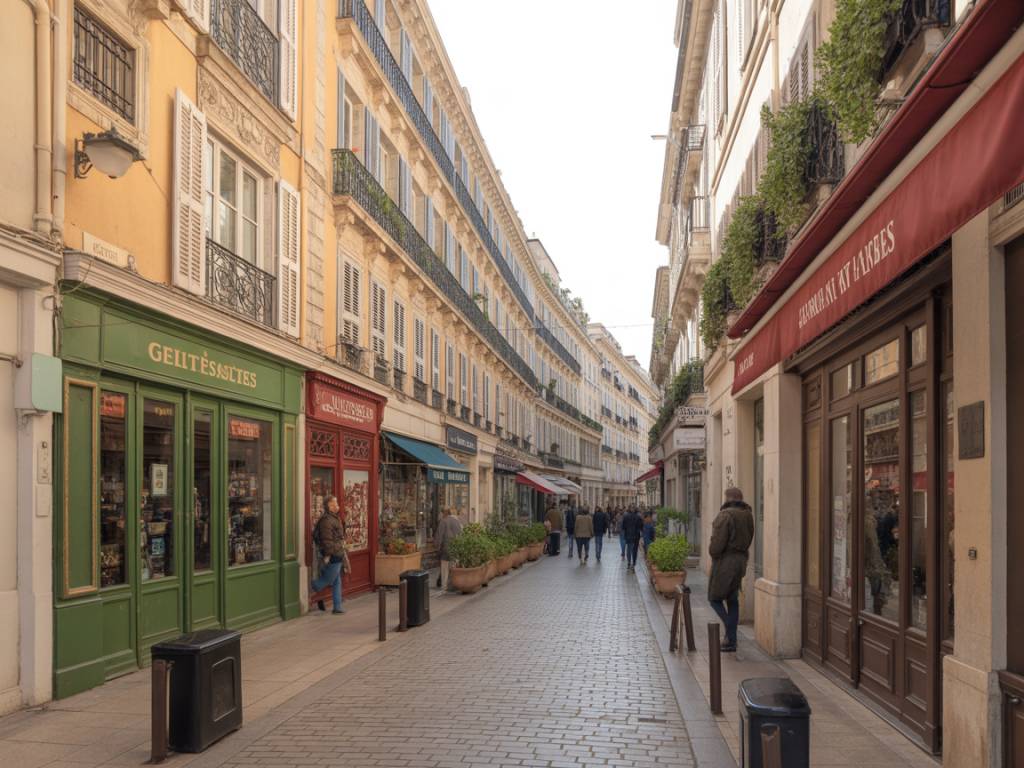
Lisbon has a talent for making the past feel effortlessly cool. Between tiled façades, faded palaces and rattling yellow trams, the Portuguese capital is a natural backdrop for lovers of vintage style. But beyond the picture-postcard views, there’s a thriving scene of second-hand boutiques, retro cafés and waterfront walks that make a long weekend feel like stepping into an old film reel.
Why Lisbon is a vintage lover’s dream
Lisbon’s charm lies in how it wears its history in plain sight. Unlike many European capitals, the city wasn’t fully polished and “conceptualised” for tourism—at least not yet. That leaves room for real finds: family-run thrift stores, retro furniture depots in semi-abandoned warehouses, and cafés that never bothered to update their 1970s décor.
The relatively low cost of living (by Western European standards) also means vintage shopping is still accessible. You can pick up one-off pieces—handmade leather shoes, 60s lamps, mid-century chairs—without London or Paris price tags. And because Portugal has a long textile and ceramics tradition, second-hand here often means quality, not just nostalgia.
Where to start: the most atmospheric neighbourhoods
Lisbon is a city of hills, and each hill has its own vintage personality. If you only have a few days, focus on these areas.
Alfama: Faded charm and tiny treasure troves
Alfama, the oldest district, is more about atmosphere and antiques than carefully curated boutiques. Get lost in the maze of cobbled alleys, and you’ll find dusty shops full of curiosities, religious icons, tiles and records.
- What to look for: Hand-painted azulejos (tiles), old religious prints, brass pieces and vintage postcards featuring Lisbon’s trams and riverfront.
- Good to know: Bargaining is acceptable in antique shops, but stay respectful. Ask “Pode fazer um desconto?” with a smile.
Bairro Alto & Chiado: Nightlife, fashion and vinyl
By day, Bairro Alto feels almost sleepy; by night, it turns into one of Lisbon’s liveliest nightlife districts. Tucked between its bars and tattoo studios you’ll find some of the city’s most interesting vintage fashion and record shops.
- For clothes: Think 80s denim, band tees and carefully sourced designer pieces rather than jumble-sale piles.
- For music lovers: You’ll stumble upon small, passionate record shops that specialise in soul, jazz, Brazilian and Portuguese fado pressings.
Príncipe Real: Curated, design-led and a little bit boho
Príncipe Real is Lisbon’s answer to a stylish village high street. It’s leafy, relaxed and full of concept stores, independent designers and some of the most attractive vintage furniture shops in town.
- Who it’s for: If you love Scandinavian-style curation mixed with mid-century Portuguese pieces, this is your neighbourhood.
- Price point: Higher than in more traditional thrift spots, but still often better value than buying similar items in the UK or online.
Anjos & Intendente: Edgy, multicultural and up-and-coming
North of the centre, the Anjos and Intendente area is becoming a creative hotspot. Here you’ll find indie galleries, small workshops and second-hand shops with a more experimental feel.
- Vibe: Less polished, more community-driven, with plenty of street art and local cafés.
- Why go: Prices tend to be lower, and stock changes quickly, so there’s a sense of “hunt it now or lose it”.
Unmissable vintage shops in Lisbon
Specifics change faster than printed guidebooks can keep up, but a few addresses and formats consistently stand out across the city. Use these categories to build your own vintage trail.
Vintage fashion and accessories
Lisbon’s fashion vintage scene ranges from affordable kilo sales to high-end curated boutiques.
- Kilo shops: These are ideal for budget-conscious travellers. Clothes are priced by weight, so you can experiment without fear for your wallet. Expect denim jackets, oversized shirts and plenty of 90s sportswear.
- Curated boutiques: Smaller selections with higher-quality pieces: silk blouses, leather jackets, Portuguese wool coats and occasionally designer sunglasses and handbags.
- Local quirks: Keep an eye out for vintage Portuguese labels you won’t find back home, as well as handmade leather belts and bags from small family workshops.
Retro furniture and homeware
If you’re staying in Lisbon for longer, or simply love interiors, the city is full of temptation: rosewood sideboards, atomic lamps, 70s ceramics and industrial lighting.
- Warehouse-style shops: On the outer edges of the centre, you’ll find big spaces packed with mid-century sofas, dining tables and sideboards. Some offer restoration services.
- Design-focused stores in Príncipe Real: These combine vintage finds with contemporary Portuguese design—perfect for smaller items you can take home, like lamps, mirrors and ceramics.
- Tip for UK visitors: Ask about shipping to Britain. Many dealers are used to arranging international transport and can quote you on the spot.
Records, books and ephemera
Music and print collectors will be in their element. Lisbon’s record shops often double as social hubs, with listening stations and occasional DJ sets.
- Fado and Portuguese music: Look out for original pressings of Amália Rodrigues or more obscure local artists. Staff are often happy to recommend beginner-friendly albums.
- Brazilian vinyl: Lisbon’s historic ties with Brazil mean excellent selections of bossa nova, samba and MPB at reasonable prices.
- Second-hand bookshops: Chiado and the Baixa area hide bookshops where you’ll find vintage travel guides, old maps of Lisbon and sometimes English-language classics in well-worn editions.
Hidden cafés with vintage soul
Between shop visits, Lisbon’s cafés are where you’ll rest your legs and absorb the city. Many of the loveliest spots blend old-world interiors with strong espresso and freshly baked pastries.
Old pastelarias that time forgot
Scattered across the city are traditional pastelarias (pastry cafés) that feel like they haven’t changed since the 60s—marble counters, mirrored walls, chrome coffee machines and staff in white jackets.
- What to order: A bica (short espresso) or a galão (milky coffee) and a pastel de nata, Portugal’s famous custard tart.
- Where to sit: Stand at the counter for the most authentic experience and faster service, or grab a table if you want to linger and people-watch.
Retro-inspired coffee shops
Alongside the traditional spots, younger café owners have leaned into vintage aesthetics—think formica tables, vinyl soundtracks and mid-century armchairs rescued from charity shops.
- Expect: Specialty coffee, homemade cakes, and laptop-friendly corners in neighbourhoods like Anjos, Intendente and Príncipe Real.
- Perfect for: Recharging your phone, sorting through your finds and planning your next stop.
Riverside strolls along the Tagus
Shopping done, Lisbon rewards you with one of Europe’s most relaxing waterfronts. The Tagus River (Tejo in Portuguese) shapes the city’s identity, and walking its banks is as essential as riding tram 28.
Cais do Sodré to Belém: A golden-hour classic
Start near Cais do Sodré station and follow the path west towards Belém. The promenade has been completely opened up for pedestrians and cyclists, but it still retains an industrial edge: cranes, warehouses and cargo ships drifting past.
- What you’ll see: The 25 de Abril Bridge, reminiscent of San Francisco’s Golden Gate, the Cristo Rei statue across the water, and a colourful mix of joggers, skaters and families.
- Where to pause: Riverside kiosks and bars with plastic chairs and cold beer—unpretentious, slightly worn around the edges and very local.
Belém: Monuments, museums and more pastel de nata
Belém itself is worth a dedicated stop. Beyond its iconic tower and the Jerónimos Monastery, it’s also home to one of Lisbon’s most famous pastry shops, often claimed to have the best custard tarts in the country.
- Vintage angle: Many of the cafés and restaurants here keep their original signage and interiors, from tiled walls to old wooden counters.
- Shopping break: Browse museum shops for high-quality reproductions of old posters, maritime prints and design books that make easy-to-pack souvenirs.
Practical tips for vintage hunters in Lisbon
To make the most of your time (and luggage allowance), a little planning goes a long way.
- Opening hours: Many independent shops open late (11:00 or even 12:00) and close on Sundays and Mondays. Check social media before heading across town.
- Cash vs card: Most places accept cards, but tiny antique shops and markets may still prefer cash, especially for small purchases and bargaining.
- Try it on: Portuguese and vintage sizing can be unpredictable. Always try garments, and remember that many shops don’t accept returns.
- Think about transport: If you fall in love with a lamp or piece of furniture, ask about disassembly and shipping. Some sellers can arrange group shipments to the UK, which brings down costs.
- Market days: Keep space in your itinerary for flea markets. The legendary Feira da Ladra, for example, is a chaotic mix of junk and gems—arrive early for the best finds.
- Pack light to buy more: If you know you’re going to shop, fly out with half-empty luggage or bring a foldable holdall you can check in on the way home.
Between its layered history, creative energy and easy-going pace, Lisbon is one of Europe’s richest cities for vintage exploration. Wander without an agenda, follow hand-painted signs down side streets and let the Tagus guide your steps back to the centre when your bags—and heart—are full.


More Stories
A food lover’s guide to Madrid: tapas, markets, and local secrets
Top hidden gems to visit in France on your next holiday
Exploring the lavender fields of Provence: best times and tips