


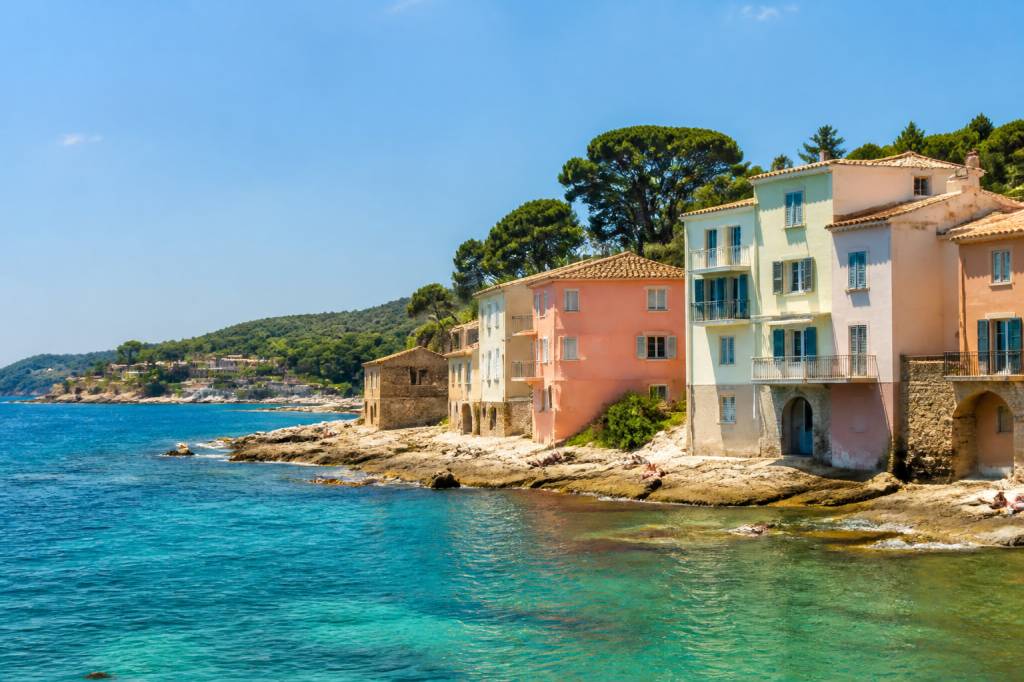
The south of France has a way of making an ordinary escape feel wonderfully cinematic. Think sun-warmed villages, bright blue water, lavender fields, elegant city squares and long lunches that somehow stretch into the evening. Whether you are planning a romantic break, a stylish girls’ getaway or a road trip packed with beautiful stops, this corner of France offers plenty to discover.
From the glamour of the French Riviera to the laid-back charm of Provence, these are some of the best places to see in the south of France for an unforgettable getaway. Pack comfortable shoes, a hat and a healthy appetite—you will need all three.
Nice: The perfect introduction to the French Riviera
Nice is one of the easiest places to begin a south of France adventure. It has an international airport, excellent train links and a little bit of everything: beaches, culture, shopping, architecture and plenty of restaurants for a leisurely dinner.
Start with a stroll along the Promenade des Anglais, the famous seafront boulevard lined with palm trees and pastel-coloured buildings. The beach here is pebbly rather than sandy, so bring suitable footwear if you plan to swim. The water is beautifully clear, particularly on a sunny morning, and the views along the coastline are hard to beat.
Old Nice, or Vieux Nice, is ideal for wandering without a strict plan. Its narrow streets are filled with colourful shutters, local cafés, small boutiques and food markets. Visit Cours Saleya for flowers, fresh produce and Provençal specialities, then try a slice of socca, a savoury chickpea pancake that is a local favourite.
For the best view over the city, make your way up to Castle Hill. There is no longer a castle at the top, but there is a beautiful park, a waterfall and panoramic views across Nice and the Mediterranean. It is worth the climb—or the lift, if the Riviera heat has already defeated you.
Èze: A hilltop village with spectacular views
Just a short journey from Nice, Èze feels like stepping into a storybook. This medieval village sits high above the sea, with stone passageways, arched doorways and tiny lanes that twist between charming houses.
The main attraction is the Jardin Exotique, a hilltop garden filled with cacti and succulents. The plants are lovely, but the real star is the view. From here, you can look out across the deep blue Mediterranean and along the coastline towards Monaco.
Èze is best visited early in the day or later in the afternoon, when the streets are less crowded and the light is particularly beautiful. Wear sensible shoes, as the cobbled lanes are steep and uneven. There are also several restaurants with incredible terraces, making this a memorable place for lunch or an aperitif.
Monaco: Glamour, gardens and harbour views
Technically its own country, Monaco is an easy addition to a French Riviera itinerary. It is polished, glamorous and compact enough to explore in a day. You may not be arriving by yacht, but you can still enjoy the atmosphere without needing a millionaire’s bank balance.
Visit the old town of Monaco-Ville, where you will find the Prince’s Palace, charming streets and viewpoints over the harbour. The Oceanographic Museum is another popular stop, especially if you are travelling with children or want a break from sightseeing in the sunshine.
Monte Carlo is famous for its casino, luxury hotels and designer boutiques. Even if gambling is not on your agenda, the area is worth seeing for its grand architecture and beautifully presented gardens. Take a walk around Port Hercule and admire the yachts before stopping for a coffee or an elegant lunch.
For something quieter, visit the Japanese Garden. Its peaceful paths, water features and carefully maintained plants offer a welcome contrast to the bustle of Monte Carlo.
Antibes: Beaches, art and old-town charm
Antibes combines the relaxed feel of a coastal town with a surprisingly rich cultural scene. The old town is surrounded by historic ramparts and filled with independent shops, cafés and restaurants. It is a lovely place to browse in the morning before the heat of the day arrives.
Art lovers should visit the Picasso Museum, housed in the Château Grimaldi. Picasso worked here for a short period, and the museum displays a collection of his paintings, drawings and ceramics. The building itself is also worth seeing, particularly for its position overlooking the sea.
Antibes has several beaches, including sandy stretches that are perfect for a slow afternoon by the water. For a more glamorous atmosphere, head towards Juan-les-Pins, known for its beach clubs and lively summer nightlife.
One of the most enjoyable walks in the area is around Cap d’Antibes. The coastal path offers rocky coves, sea views and a refreshing escape from the busier resort areas. Allow plenty of time for photographs—and possibly a spontaneous swim.
Cannes: A stylish seaside escape
Cannes is best known for its film festival, but there is more to this glamorous city than red carpets and celebrity sightings. Its palm-lined boulevard, sandy beaches and smart shopping streets make it a popular destination throughout the year.
Take a walk along La Croisette, where luxury hotels and designer boutiques face the Mediterranean. The public beaches are ideal if you want to enjoy the coastline without paying for a private beach club. Alternatively, treat yourself to a long lunch overlooking the water. This is the south of France, after all—there is no need to rush.
Le Suquet, the oldest part of Cannes, sits on a hill above the harbour. Its narrow streets are quieter than the centre and lead to the Musée des Explorations du Monde and a viewpoint with excellent city views. Visit in the evening when the lanes are softly lit and the restaurants begin to fill.
If you have extra time, take a boat trip to the Îles de Lérins. Sainte-Marguerite is known for its pine forests, clear swimming spots and the Fort Royal, while Saint-Honorat has a peaceful abbey and vineyards. Both islands offer a calmer day away from the busy Riviera.
Saint-Paul-de-Vence: An artists’ village in the hills
Saint-Paul-de-Vence is one of the most beautiful hilltop villages in Provence. Its fortified walls, flower-filled lanes and art galleries have attracted painters, writers and travellers for decades.
Wander through the village slowly, taking time to look inside the small galleries and boutiques. You will find contemporary art, handmade ceramics, local prints and Provençal gifts that are far more memorable than a standard souvenir.
The village is also home to the famous Fondation Maeght, a modern art museum surrounded by gardens and sculptures. It is a must-visit for anyone who enjoys art and design, and its setting makes the experience feel particularly special.
Saint-Paul-de-Vence can become busy during the middle of the day, so an early visit is a clever choice. Enjoy breakfast nearby, explore before the crowds arrive and then settle down for lunch with a view.
Aix-en-Provence: Elegant streets and Provençal living
Aix-en-Provence is one of the best places to experience the slower, more elegant side of the region. Known for its fountains, grand architecture and artistic heritage, the city is perfect for a relaxed city break.
Begin along the Cours Mirabeau, a broad avenue shaded by plane trees and lined with cafés. From here, explore the old town, where you will find colourful markets, independent shops and beautiful townhouses. The Saturday market is particularly enjoyable, with regional food, flowers, linens and handmade products.
Aix was the birthplace of painter Paul Cézanne, and fans of his work can follow a dedicated walking route around the city. You can also visit his former studio, which has been preserved with many of his belongings still in place.
Do not leave without trying a calisson, a traditional sweet made with almonds and candied melon. It is delicate, sugary and very easy to become addicted to—consider yourself warned.
Avignon: History behind impressive walls
Avignon is one of the most fascinating destinations in Provence, especially for visitors who enjoy history and architecture. The city is surrounded by medieval ramparts and was once the seat of the papacy, giving it an atmosphere that feels quite different from the coastal resorts.
The Palais des Papes is the main sight and one of the largest Gothic buildings in Europe. Allow a few hours to explore its grand halls, chapels and courtyards. The Pont d’Avignon, officially known as the Pont Saint-Bénézet, is another famous landmark. You can walk along part of the historic bridge and enjoy views over the Rhône.
Avignon’s central streets are filled with restaurants, wine bars and small shops. During July, the city hosts the Festival d’Avignon, one of the world’s most important theatre festivals. The atmosphere becomes lively and creative, although booking accommodation well in advance is essential.
The city is also a convenient base for exploring nearby vineyards, villages and lavender-growing areas, making it a practical choice for a longer Provençal trip.
Gordes and the Luberon: Villages, markets and lavender
The Luberon region is the place to go for postcard-perfect Provence. Its rolling landscapes are dotted with stone villages, vineyards, olive groves and fields of lavender that turn the countryside purple in summer.
Gordes is one of the most famous villages in the area, dramatically built into a hillside. Arrive early to enjoy the views before exploring its narrow streets and pretty squares. The nearby Abbaye Notre-Dame de Sénanque is especially beautiful when the lavender is in bloom, usually from late June to early August depending on the season.
Roussillon is another memorable stop. Its buildings are coloured by the local ochre, creating shades of red, orange and gold. Follow the Ochre Trail through the former quarries to learn more about the area’s unusual landscape.
For a real taste of local life, plan your route around a Provençal market. L’Isle-sur-la-Sorgue is known for antiques and canals, while Lourmarin has a charming market and a relaxed village atmosphere. Pack a basket and create your own picnic with cheese, fruit, bread and something deliciously unplanned.
Marseille: Energy, culture and sea views
Marseille is lively, colourful and full of character. It may feel less polished than some Riviera destinations, but that is part of its appeal. This is a city of busy markets, street art, historic neighbourhoods and excellent seafood.
The Old Port is the natural starting point. Watch the boats, browse the fish market and take a walk towards Le Panier, Marseille’s oldest district. Its steep lanes are filled with painted façades, independent shops and cafés.
Visit the Basilique Notre-Dame de la Garde for one of the finest views over the city and the Mediterranean. You can walk up if you are feeling energetic, or take public transport and save your legs for dinner.
Marseille is also the gateway to the Calanques National Park, a spectacular stretch of rocky coastline with turquoise water. Boat trips are a good option, particularly in the warmer months when some walking routes may be restricted due to fire risk. If you prefer to hike, check local conditions before setting off and bring plenty of water.
How to plan your south of France getaway
The ideal itinerary depends on the kind of trip you want. For beaches, restaurants and easy transport, focus on Nice, Antibes, Cannes and Monaco. For villages, markets and countryside, base yourself in Aix-en-Provence, Avignon or the Luberon.
- Best time to visit: May, June, September and early October usually offer warm weather with fewer crowds than the height of summer.
- Getting around: Trains are convenient along the coast, but a hire car is useful for exploring hilltop villages and rural Provence.
- What to pack: Comfortable shoes, a light jacket for evenings, swimwear, sun protection and a reusable water bottle.
- Where to stay: Choose a central apartment for city breaks, a boutique hotel for a touch of glamour or a countryside guesthouse for a slower escape.
- Dining tip: Many restaurants serve their best-value menus at lunchtime, so make lunch your main meal when possible.
Whether you are watching the sunset from Nice, browsing a market in Aix, swimming beside the Calanques or enjoying lavender-scented air in the Luberon, the south of France makes it easy to collect beautiful memories. The trick is not trying to see everything in one trip. Choose a few places, leave space for spontaneous detours and allow yourself plenty of time for the most important Provençal tradition of all: sitting somewhere gorgeous and doing absolutely nothing for a while.