


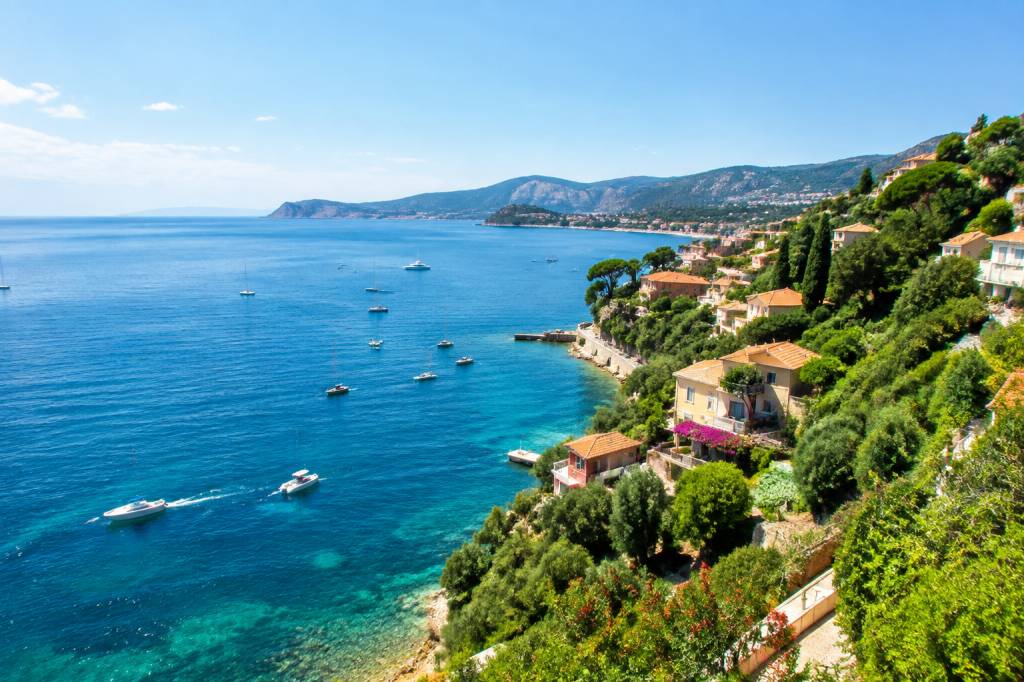
The South of France is one of those places that seems to have been designed for slow mornings, long lunches and taking far too many photos. Think pastel-coloured towns, fragrant markets, turquoise water and little roads that make you want to pull over every five minutes. Whether you’re planning a chic city break, a beach holiday or a few days exploring the countryside, there’s a corner of the region to suit your kind of escape.
To make choosing a little easier, here are some of the most beautiful places to visit in the South of France, along with a few practical tips for making the most of your trip.
Nice: seaside charm with a city buzz
Nice is a brilliant starting point for a South of France holiday. It has the glamour of the Riviera, but it also feels like a real, lived-in city. Spend the morning wandering the narrow streets of Vieux Nice, where colourful shutters frame little shops and cafés, then head to the Cours Saleya market for flowers, fruit and local specialities.
For a classic view of the coastline, climb or take the lift up to Castle Hill. From the top, you can look down over the curved sweep of the Baie des Anges and the terracotta rooftops of the old town. It’s especially lovely in the late afternoon, when the light turns soft and golden.
Nice’s famous seafront promenade is perfect for a stroll, but don’t expect a sandy beach right in the city centre: much of the shoreline is pebbly. Pack water shoes if you plan to swim, or choose a beach club where loungers and other comforts are available. And if you’re tempted by a local snack, try a socca, a warm chickpea-flour pancake that’s delicious straight from the oven.
Èze: a hilltop village above the sea
A short journey from Nice, Èze is one of the prettiest villages on the Riviera. Its medieval lanes wind uphill between stone buildings, tiny galleries and boutiques selling everything from handmade jewellery to fragrant soaps. Comfortable shoes are essential; the cobbled streets are charming, but they are not kind to flimsy sandals.
At the summit, the exotic garden has spectacular views across the coast. On a clear day, the blue sea seems to stretch for ever. Visit early in the day or later in the afternoon if you can, as the village can get busy when tour groups arrive. Bring a camera, but leave room in your bag for a small local purchase—Èze is a lovely place to find a thoughtful holiday souvenir.
Antibes: old-town lanes and easy beach days
Antibes has a more relaxed feel than some of its famous Riviera neighbours. Its old town is made for getting pleasantly lost, with lively market stalls, shuttered façades and cafés tucked into pretty squares. The covered Marché Provençal is a good place to browse regional produce and pick up picnic supplies.
Art lovers should make time for the Picasso Museum, housed in the Château Grimaldi. Even if you’re not usually one to plan a holiday around museums, the setting alone is worth a visit. Afterwards, follow the coastal ramparts for sea views, or head to one of the nearby beaches for a swim.
Antibes also makes a handy base for exploring the coast. You can spend one day in the old town, another on the beach and still have time for a relaxed lunch—no elaborate itinerary required.
Menton: pastel colours and a gentler pace
Close to the Italian border, Menton has a distinctly Mediterranean feel. Its old town climbs above the harbour in a cheerful mix of yellow, peach and terracotta, while citrus trees and gardens add splashes of green. It’s a lovely choice if you want Riviera scenery without quite the same sense of rush.
Start with a wander through the historic centre, then make your way down to the waterfront. Menton is known for its lemons, so look out for local lemon-based treats in cafés and shops. A jar of lemon curd or a small bottle of local liqueur can make a better souvenir than yet another magnet—though there’s no judgement if you collect those too.
The town is also a good place to slow down. Find a shaded table, order something simple and enjoy the view. On holiday, a long lunch absolutely counts as an activity.
Saint-Tropez: Riviera glamour beyond the headline
Saint-Tropez is famous for its yachts, beach clubs and designer shops, but there’s more to it than a glamorous day out. In the old port, colourful buildings line the harbour and cafés spill onto the waterfront. Go early for a quieter stroll and watch the town wake up before the day-trippers arrive.
For a different perspective, wander into La Ponche, the old fishing quarter, where narrow lanes feel a world away from the busy marina. You can also visit the Citadel for views over the bay and a glimpse into the area’s maritime history.
If you’re planning to visit in summer, book accommodation and restaurant tables well in advance. You don’t need to spend a fortune to enjoy Saint-Tropez, either: a walk around the port, an ice cream and a swim at a public beach make a memorable day. The best beach choice depends on where you’re staying, so check transport and parking before setting off.
The Luberon: stone villages and Provençal markets
For a change from the coast, head inland to the Luberon. This beautiful area of Provence is known for its hilltop villages, vineyards and pale stone houses. Gordes is perhaps the most famous, with its buildings rising above the landscape in a dramatic cluster. Arrive early if you want to enjoy the lanes before the busiest part of the day.
Nearby Roussillon is instantly recognisable for its warm red and orange ochre cliffs. The colours look especially vivid in the sunshine, and the village’s small shops and cafés are an easy excuse to linger after a walk. Wear shoes you don’t mind getting dusty if you explore the ochre trail.
Other lovely stops include Lourmarin, with its elegant château and lively market, and Ménerbes, whose quiet streets offer beautiful views across the countryside. If you have a car, you can link several villages in a day, but resist the temptation to squeeze in too many. Leave time for a market browse, a leisurely lunch and the occasional unplanned photo stop.
Aix-en-Provence: elegant streets and café culture
Aix-en-Provence makes a wonderful city break, especially if you love architecture, shopping and a good coffee stop. Its tree-lined Cours Mirabeau is a natural place to begin, with grand buildings and fountains setting the scene. From there, explore the old town’s pedestrian streets, where independent boutiques sit alongside bakeries and cafés.
Markets are part of Aix’s appeal, and different squares host different stalls on various days. You might find flowers, antiques, clothes or local food, so check what’s happening during your visit. It’s an enjoyable way to pick up edible gifts such as olive oil, herbs or calissons, the city’s famous almond sweets.
Aix is also a great base if you want a mix of culture and countryside. You can spend the morning in town and take a short trip out to see the landscapes that inspired painter Paul Cézanne. If you’re interested in visiting a particular studio or exhibition, check opening details ahead of time.
The Calanques: dramatic coves near Marseille
Between Marseille and Cassis, the Calanques National Park is a striking stretch of limestone cliffs, pine trees and bright blue water. The scenery is quite different from the gentle beaches of the Riviera: here, rocky inlets cut into the coast and walking trails lead to hidden-looking coves.
You can explore on foot, by boat or, in some places, by kayak. Walking routes vary in length and difficulty, so choose one that suits your fitness and check the conditions before you go. In warmer months, access may be restricted because of fire risk, so look up official local guidance on the day of your visit.
Bring plenty of water, sun protection and sturdy shoes. Some coves have few facilities, and the journey down can be steep. The effort is worth it for a swim in that astonishingly clear water—but do pack out everything you bring in. These landscapes are beautiful because they’re protected.
Verdon Gorge: a day for the adventurous
If your idea of a perfect trip includes dramatic views and a little activity, the Verdon Gorge is well worth considering. Often called the Grand Canyon of Europe, it has steep limestone walls and water in shades of green and blue. The scenery is spectacular from the road, but the best way to experience it depends on your plans and the season.
On the lake at Sainte-Croix, you can hire a pedalo, kayak or small electric boat and explore at your own pace. For walkers, there are trails with wonderful views, but some routes are challenging and exposed. Check route details carefully, start early in hot weather and take more water than you think you’ll need.
The gorge is easier to enjoy with a car, and it’s best treated as a full day out rather than a quick detour. Pack a picnic and a towel, and plan your stops before setting off: the roads are scenic, but they can be slow and winding.
Camargue: wild landscapes and a different side of Provence
The Camargue feels unlike the villages and promenades most people picture when they think of the South of France. This vast wetland region is known for salt flats, lagoons, wildlife and open skies. It’s a wonderful place for birdwatching, with flamingos among the most exciting sights for visitors.
Saintes-Maries-de-la-Mer is a useful base for exploring the area. From there, you can visit beaches, take a guided wildlife outing or simply enjoy the wide horizon. The Camargue is also famous for its white horses and black bulls, and local riding centres offer excursions for different experience levels.
Bring binoculars if you have them, and take sun protection even if you’re visiting outside midsummer. The region’s open landscapes can feel exposed, and a little planning makes a big difference to a comfortable day out.
How to plan a South of France trip
It’s tempting to try to see everything, but the distances and travel times can add up. Pick one or two bases rather than changing hotels every night. Nice works well for the Riviera, while Aix-en-Provence or a Luberon village makes a good base for exploring inland. If you want to visit the Calanques or Verdon Gorge, check transport options carefully; a car gives you flexibility, but trains and buses can work well for coastal towns.
Spring and early autumn are lovely times to visit, with milder weather and, in many places, fewer crowds than in peak summer. July and August bring long sunny days, but also higher prices, busy roads and packed beaches. Wherever you go, reserve popular accommodation early and check local market days before you travel.
A few things are worth keeping in your day bag:
- Comfortable walking shoes for cobbles, hills and coastal paths.
- A refillable water bottle and high-factor sun protection.
- A light layer for breezy evenings by the sea.
- A small tote for market finds, snacks and beach essentials.
- Some cash for smaller stalls and cafés, while keeping a card handy for larger purchases.
Most of all, leave a little space in your itinerary. The South of France rewards curiosity: a market you hadn’t planned to visit, a viewpoint spotted from the road or a café that turns a quick coffee into a very long lunch. Those small discoveries are often the moments you’ll remember long after the suitcase is unpacked.