


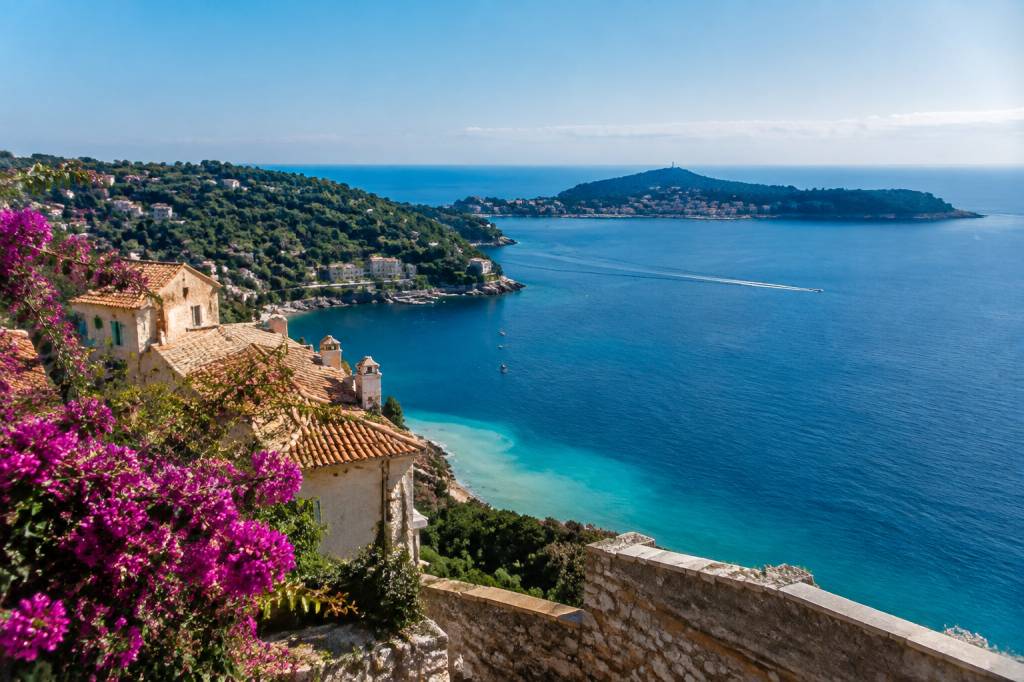
There is something wonderfully cinematic about the South of France. One moment you are wandering through a medieval village surrounded by lavender fields, and the next you are sipping an espresso beside a glittering Mediterranean harbour. Add excellent food, stylish boutiques, warm sunshine and a relaxed pace of life, and it is easy to understand why this part of France remains one of Europe’s most tempting destinations.
Often called the French Riviera or Provence, the region stretches from glamorous coastal resorts to peaceful countryside villages. Whether you are planning a long weekend, a road trip or a sun-filled escape, the South of France offers plenty of ways to enjoy the good life. Here are some of the best places to visit and experiences to add to your itinerary.
Nice: the perfect introduction to the French Riviera
Nice is a brilliant starting point for exploring the South of France. It has the energy of a city but still feels relaxed, thanks to its palm-lined seafront, colourful old town and café culture. The famous Promenade des Anglais is ideal for a morning stroll, a cycle ride or simply watching the world go by with an ice cream in hand.
Vieux Nice, the historic old town, is full of narrow lanes, pastel-coloured buildings and small shops selling everything from handmade jewellery to Provençal soaps. The Cours Saleya market is a must-visit, particularly in the morning when stalls are piled high with flowers, fruit, spices and local specialities. It is the sort of place where you may arrive looking for fresh peaches and leave with lavender honey, olive oil and a basket you did not technically need.
For the best views over the city, walk up to Castle Hill. There is no longer a castle at the top, but the panoramic views are more than enough compensation. You can see the Baie des Anges stretching along the coast, with the rooftops of Nice glowing in the sunshine below.
- Try a traditional socca, a savoury chickpea pancake that is a speciality of Nice.
- Visit the Musée Matisse for a dose of colour and culture.
- Spend an evening enjoying dinner in the old town, where menus often feature fresh seafood and Provençal dishes.
Cannes: glamour, beaches and designer shopping
Cannes is famous for its film festival, but you do not need a celebrity invitation to enjoy the city. The Croisette is lined with luxury hotels, private beaches and designer boutiques, making it one of the best places in the region for a little retail therapy. Even window shopping here feels entertaining.
Stroll along Boulevard de la Croisette before exploring the streets behind it. Rue d’Antibes is the main shopping street, offering a mixture of well-known brands, independent boutiques and beauty shops. For something more local, head towards the Forville Market, where you will find seasonal produce, cheese, flowers and regional delicacies.
Le Suquet, Cannes’ oldest neighbourhood, offers a quieter and more atmospheric experience. Climb its cobbled streets to reach the Église Notre-Dame d’Espérance and enjoy views across the harbour. It is a lovely spot to visit late in the afternoon, when the heat softens and the city begins to sparkle.
If you have time, take a boat trip to the Lérins Islands. Île Sainte-Marguerite is known for its pine forests, clear swimming spots and the mysterious Fort Royal. It makes a refreshing break from the busier atmosphere of Cannes.
Antibes and Juan-les-Pins: art, beaches and old-town charm
Antibes offers a more relaxed alternative to Cannes while still providing beautiful beaches, excellent restaurants and plenty of character. Its old town is surrounded by ancient ramparts and filled with independent shops, galleries and cafés.
The Picasso Museum is housed in the Château Grimaldi, where the artist worked for a short time in 1946. The collection includes paintings, drawings and ceramics, while the terrace provides wonderful views over the Mediterranean. Even visitors who are not devoted art enthusiasts will appreciate the setting.
Antibes’ covered market is another highlight. Arrive early to browse stalls selling olives, cured meats, fruit, vegetables and colourful Provençal textiles. Food lovers should look out for local dishes such as pissaladière, a delicious onion tart topped with anchovies and olives.
Next door, Juan-les-Pins is known for its sandy beaches and lively summer atmosphere. It is a good place to enjoy a swim, hire a paddleboard or relax beneath a parasol with a good book. The resort also hosts a famous jazz festival, so check the events calendar if you are visiting in summer.
Èze: a medieval village above the sea
Perched high on a rocky hillside between Nice and Monaco, Èze is one of the most photogenic villages on the Riviera. Its winding stone lanes lead past art galleries, small boutiques and restaurants with breathtaking views of the coast.
The Jardin Exotique sits at the highest point of the village and is filled with cacti and other Mediterranean plants. From here, the view is spectacular, particularly on a clear day when the blue of the sea seems to merge with the sky.
Èze can become busy during the middle of the day, especially when tour groups arrive. Visiting early in the morning or later in the afternoon gives you a more peaceful experience. Comfortable shoes are essential; the cobbled streets are charming but not designed for high heels.
For keen walkers, the Nietzsche Path connects Èze village with Èze-sur-Mer on the coast. The descent takes around an hour, depending on your pace, and rewards you with beautiful scenery. Remember that the return journey uphill is considerably more demanding, so plan accordingly.
Monaco: a glamorous day trip
Technically a separate principality, Monaco is an easy addition to a French Riviera itinerary. It is compact, polished and unmistakably glamorous, with superyachts in the harbour and luxury cars appearing at almost every turn.
Visit the Rock of Monaco to see the Prince’s Palace, explore the old town and enjoy views over Port Hercule. The Oceanographic Museum is a fascinating choice for families and anyone interested in marine life. It is also a beautiful building, dramatically positioned above the sea.
Monte Carlo is the place to experience Monaco’s famous elegance. Take a look inside the Casino de Monte-Carlo, admire the architecture and wander around the surrounding gardens. If you plan to enter the casino, remember that a dress code applies and identification may be required.
Monaco is easily reached by train from Nice, and the journey itself is scenic. Travelling by rail is usually simpler than driving, as parking can be expensive and limited.
Saint-Paul-de-Vence: an artistic escape
Saint-Paul-de-Vence is one of the best-known hilltop villages in Provence, and it is easy to see why artists have been drawn to it for generations. The village is enclosed by impressive stone walls and filled with galleries, studios, fountains and flower-covered doorways.
Take your time exploring the narrow streets rather than rushing from one attraction to the next. This is a destination for slow wandering, leisurely lunches and discovering small details. You may find a ceramic shop, a tiny courtyard or an independent gallery that is not mentioned in your guidebook.
The Fondation Maeght, located just outside the village, is a must for modern art lovers. Its collection includes works by artists such as Joan Miró, Marc Chagall and Alexander Calder, displayed among sculpture gardens and pine trees.
Saint-Paul-de-Vence can be visited as a day trip from Nice, but staying overnight nearby allows you to enjoy the village after the day-trippers have left. The atmosphere becomes much more peaceful in the evening.
Provence: lavender fields, markets and village life
For a taste of the South of France away from the coast, head into Provence. The landscape changes dramatically, with vineyards, olive groves, sunflowers and lavender fields replacing the busy promenades of the Riviera.
Valensole is one of the most popular areas for lavender, particularly between late June and mid-July when the fields are usually at their most colourful. The exact flowering period varies each year, so check locally before travelling. The scent is unforgettable, and naturally, the shops are full of lavender oils, soaps, candles and sachets. Packing space may become an issue.
Provençal markets are a highlight in almost every town and village. Aix-en-Provence, Arles, Lourmarin and Saint-Rémy-de-Provence all offer excellent opportunities to browse local food, handmade products and stylish homeware. Look for woven baskets, ceramics, linen clothing and tablecloths in classic regional patterns.
Aix-en-Provence is particularly enjoyable for a relaxed day out. Walk along the Cours Mirabeau, explore the old town and stop for coffee beneath the plane trees. The city has a youthful, elegant atmosphere, helped by its university population and strong artistic heritage.
Avignon and the Luberon: history with a beautiful backdrop
Avignon is best known for the Palais des Papes, one of Europe’s largest medieval Gothic buildings. The palace is impressive from the outside, but the interior brings the history to life through grand halls, chapels and exhibitions.
Do not miss the famous Pont d’Avignon, officially known as the Pont Saint-Bénézet. Only part of the original bridge remains, but it is one of the region’s most recognisable sights. Avignon’s historic centre is easy to explore on foot, with plenty of cafés and shops to enjoy along the way.
From Avignon, you can continue into the Luberon, a region of dramatic landscapes and charming villages. Gordes clings to the side of a hill, while Roussillon is famous for its warm red and orange cliffs. Ménerbes and Bonnieux are also worth visiting for their views, markets and traditional Provençal architecture.
The Luberon is best explored by car, particularly if you want to visit several villages in one day. Drive slowly, stop often and avoid trying to squeeze too much into your schedule. The winding roads are part of the experience.
Delicious experiences to enjoy
Food is one of the main reasons to visit the South of France. Meals are usually simple but full of flavour, making the most of fresh local ingredients. Try ratatouille, bouillabaisse, tapenade, salade niçoise and grilled fish whenever they appear on the menu.
Wine lovers can explore vineyards around Provence, Bandol and the Rhône Valley. Many estates offer tastings, but booking ahead is sensible during the summer months. Rosé is the obvious choice on a warm afternoon, although the region also produces excellent reds and whites.
A cooking class is another memorable way to experience the local culture. You might learn how to prepare a traditional Provençal meal, make fresh pasta or create desserts using seasonal fruit. It is an experience that offers a souvenir you can recreate at home, which is far more useful than another fridge magnet.
Useful tips for planning your trip
- Choose the right season: May, June, September and early October often bring pleasant weather with fewer crowds than July and August.
- Book popular stays early: Coastal hotels and countryside retreats can sell out well in advance during summer.
- Use trains where possible: Nice, Cannes, Antibes, Monaco and Menton are well connected by rail.
- Hire a car for Provence: A car gives you much more freedom to explore smaller villages and lavender fields.
- Pack comfortable shoes: Historic centres are beautiful but often full of uneven cobblestones and steep lanes.
- Allow time to slow down: The best moments may be an unplanned market stop, a long lunch or a swim at a quiet beach.
The South of France is not just a place to visit; it is a way of travelling. Days unfold around good food, beautiful scenery and small discoveries. You can spend the morning exploring a grand city, the afternoon swimming in clear blue water and the evening dining beneath strings of warm lights. Whether your ideal escape involves designer shopping, art, village markets or simply sitting beside the sea, this corner of France makes it wonderfully easy to enjoy every moment.