


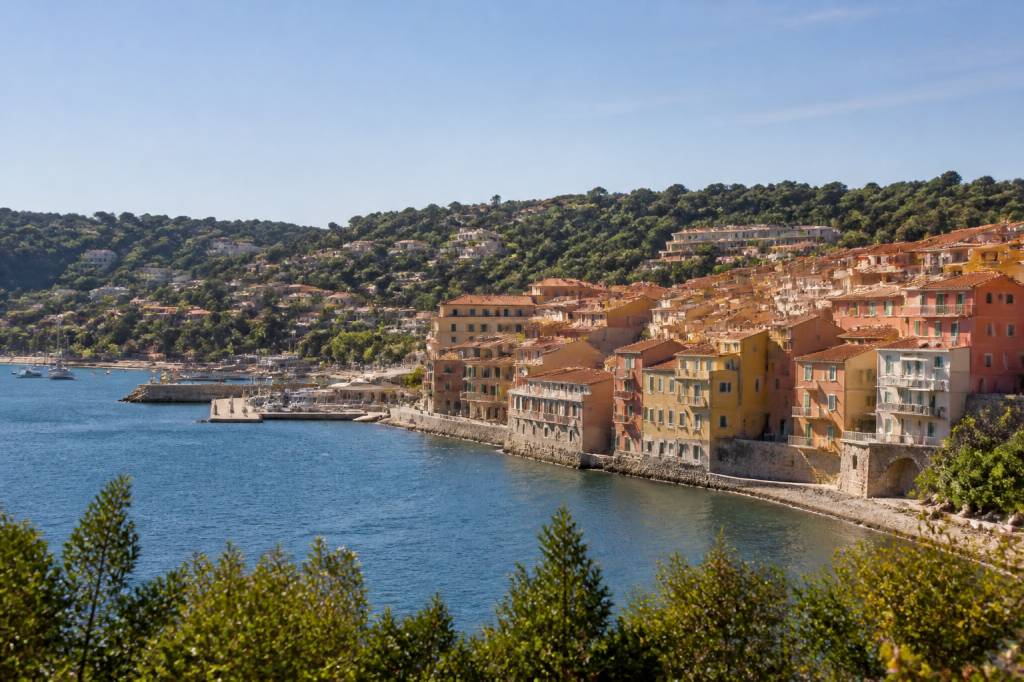
Southern France has a talent for making everyday life feel wonderfully cinematic. One moment you are wandering through a medieval village, the next you are swimming in turquoise water, browsing a colourful market or sitting beneath plane trees with a cold drink in hand. From the glamorous French Riviera to the peaceful landscapes of Provence and the wild Atlantic coast, this is a region made for memorable holidays.
Whether you are planning a romantic escape, a family adventure or a relaxed trip filled with food and sunshine, southern France offers plenty of variety. The hardest part is deciding where to go first. Here are some of the best places to visit for an unforgettable holiday.
Nice: the perfect introduction to the French Riviera
Nice is one of those destinations that gives you a little bit of everything. It has beaches, historic streets, excellent restaurants, art galleries and a glamorous promenade that is ideal for an evening stroll. The city feels elegant without being too formal, which makes it a lovely base for exploring the Côte d’Azur.
Start your visit along the Promenade des Anglais, the famous seafront boulevard stretching beside the Baie des Anges. You can walk, cycle or simply find a sunny spot to watch the boats. The beach is made up of smooth pebbles rather than sand, so packing comfortable footwear is a clever idea.
For the best views, climb to Castle Hill, or Colline du Château. Although the castle itself no longer remains, the park offers a spectacular panorama over Nice, the coastline and the terracotta rooftops of the old town. It is particularly beautiful around sunset, when the city begins to glow.
In Vieux Nice, colourful buildings line narrow streets filled with cafés, ice cream shops and local boutiques. Visit the Cours Saleya market for flowers, fruit, spices and regional specialities. Try a slice of socca, a savoury chickpea pancake that is one of Nice’s most delicious local snacks.
- Best for: beaches, food, culture and a lively atmosphere.
- Do not miss: Castle Hill, Cours Saleya and the Musée Matisse.
- Useful tip: Nice is well connected by train, making day trips along the coast easy.
Cannes: glamour, beaches and a touch of movie magic
Cannes is famous for its international film festival, but you do not need a red-carpet invitation to enjoy this stylish seaside city. The atmosphere is polished, sunny and unapologetically glamorous, with luxury hotels, designer shops and sleek yachts filling the harbour.
Take a walk along La Croisette, the palm-lined boulevard beside the Mediterranean. It is perfect for people-watching, especially when everyone seems to be dressed as though they have just stepped out of a fashion editorial. The sandy beaches here are a welcome change from Nice’s pebbles, and several private beach clubs offer loungers and refreshments.
For a different perspective, climb up to Le Suquet, Cannes’ oldest district. Its winding streets, pretty houses and small restaurants feel much more intimate than the modern waterfront. At the top, the Church of Our Lady of Hope offers beautiful views across the city and sea.
If you have time, take a boat to the Lérins Islands. Île Sainte-Marguerite is known for its eucalyptus and pine forests, quiet walking trails and the Fort Royal, where the mysterious Man in the Iron Mask was once imprisoned. It is an easy way to enjoy nature without travelling far from the coast.
Antibes and Juan-les-Pins: art, old streets and coastal charm
Antibes combines the atmosphere of a traditional Provençal town with the relaxed glamour of the Riviera. Its old town is surrounded by ancient ramparts, and the seafront paths offer wonderful views towards the Alps and neighbouring Cap d’Antibes.
The Picasso Museum is one of the city’s highlights. It occupies the Château Grimaldi, a former medieval fortress where Pablo Picasso worked for a time. The setting is as memorable as the art, with bright Mediterranean views from the terraces.
Wander through the Marché Provençal to discover olives, cheeses, fresh fruit, herbs and local honey. It is the sort of market where you intend to buy one small snack and somehow leave with enough food for a picnic. Luckily, that is not a problem in southern France.
Nearby Juan-les-Pins has a more relaxed, beach-focused feel. It is a popular choice for swimming, sunbathing and enjoying the lively atmosphere of the waterfront restaurants. For a peaceful walk, follow the coastal path around Cap d’Antibes, where rocky coves and beautiful villas create a postcard-perfect scene.
Monaco and Menton: two unforgettable coastal day trips
Monaco is technically a separate principality, but its location makes it an obvious addition to a southern France itinerary. The tiny country is packed with dramatic views, luxury boutiques, superyachts and fascinating history.
Explore the old town on Le Rocher, where you will find the Prince’s Palace, the Oceanographic Museum and the impressive Saint Nicholas Cathedral. The streets are steep in places, but the views are well worth the effort. Formula One fans may also enjoy following parts of the famous Monaco Grand Prix circuit through the city.
Menton, close to the Italian border, offers a gentler and more colourful experience. Its buildings are painted in warm shades of yellow, orange and pink, while citrus gardens and palm trees give the town a distinctly sunny personality. Visit the old port, stroll through the gardens and enjoy a lemon tart or a scoop of local lemon ice cream.
The train journey between Nice, Monaco and Menton is scenic and straightforward. It is an excellent option if you would rather avoid driving along the busy coastal roads.
Provence: lavender fields, markets and timeless villages
Provence is the place to visit when you want to slow down. The region is famous for its lavender fields, olive groves, vineyards and hilltop villages, but its greatest attraction may be the relaxed rhythm of daily life. Long lunches are encouraged, markets are treated as social events and nobody seems in a hurry to finish their coffee.
Avignon is an excellent starting point. The city’s Palais des Papes is one of Europe’s largest medieval Gothic buildings, while the famous Pont d’Avignon stretches partway across the Rhône. The historic centre is surrounded by impressive stone walls and filled with atmospheric squares and independent shops.
Arles is another fascinating destination, especially for art and history lovers. Its Roman amphitheatre and ancient theatre reveal the importance of the city during the Roman period. Arles also inspired Vincent van Gogh, and visitors can follow a walking route connected to the locations featured in his paintings.
For classic Provençal scenery, head to villages such as Gordes, Roussillon and Bonnieux. Gordes appears to rise directly from the hillside, while Roussillon is famous for its red and ochre cliffs. These villages are ideal for wandering, photography and enjoying lunch with a view.
- Visit lavender fields between late June and early August, depending on the area and weather.
- Arrive early at popular villages to find parking and enjoy quieter streets.
- Look for weekly markets, where local producers sell fruit, cheese, bread and handmade goods.
- Carry water, particularly if you are exploring hilltop towns during summer.
Aix-en-Provence: fountains, cafés and creative energy
Aix-en-Provence is elegant, lively and wonderfully easy to explore on foot. Known for its fountains, tree-lined avenues and handsome architecture, the city has a sophisticated yet welcoming atmosphere.
Begin along the Cours Mirabeau, a broad boulevard shaded by plane trees. Historic mansions, cafés and fountains line the route, making it a beautiful place for a morning coffee or an evening aperitif. The streets around the old town are packed with boutiques, galleries and small restaurants.
Art lovers should visit the studio of Paul Cézanne, located on the hill of Les Lauves. The space has been preserved much as it was during the artist’s final years, offering a personal glimpse into his creative life. The surrounding landscapes also explain why Provence inspired so many painters.
Aix is particularly enjoyable for travellers who like to combine sightseeing with shopping. Browse for handmade soaps, linen clothing, ceramics and Provençal food products. A bottle of local olive oil or a scented candle makes a far more useful souvenir than another fridge magnet.
Marseille: colourful, energetic and full of character
Marseille is one of the most vibrant cities in southern France. It is historic, multicultural and occasionally chaotic, but that is part of its appeal. The city feels authentic and constantly alive, with fishing boats in the harbour, busy markets and the scent of spices drifting through the streets.
The Vieux-Port is the natural place to begin. Watch the morning fish market, admire the boats and enjoy a bowl of bouillabaisse, Marseille’s famous fish stew. For panoramic views, visit the Basilique Notre-Dame de la Garde, perched above the city. The basilica’s golden statue and colourful interior are impressive, while the view stretches across the rooftops and Mediterranean.
The MuCEM, or Museum of European and Mediterranean Civilisations, explores the history and culture of the region. Its modern architecture looks especially striking beside the historic Fort Saint-Jean.
Marseille is also the gateway to the Calanques National Park. These dramatic limestone cliffs, hidden beaches and clear blue inlets are ideal for hiking, kayaking or swimming. Some areas become restricted during hot, dry periods because of wildfire risk, so always check local conditions before setting out.
The Camargue: wild landscapes and unforgettable wildlife
For a completely different side of southern France, travel to the Camargue. This vast wetland area near the Rhône delta is known for white horses, black bulls, pink flamingos and wide-open skies. It feels wonderfully wild compared with the busy resorts of the Riviera.
Explore the area by bicycle, on horseback or with a guided wildlife tour. The Parc Naturel Régional de Camargue is home to an extraordinary range of birds, and spring and autumn are particularly rewarding for nature lovers.
Visit Saintes-Maries-de-la-Mer, a relaxed seaside town with a strong equestrian and cultural identity. You can combine a morning on the beach with an afternoon exploring the surrounding wetlands. Remember to bring sun protection and insect repellent, especially during warmer months.
Carcassonne: a fairytale medieval city
Although it sits slightly further west, Carcassonne deserves a place on any southern France wish list. Its fortified medieval citadel looks like something from a storybook, complete with towers, defensive walls and narrow cobbled streets.
Walk along the ramparts for views over the surrounding countryside, then explore the Basilica of Saint Nazaire with its beautiful stained-glass windows. The citadel can become busy during the day, so staying overnight or arriving early allows you to experience its atmosphere before the main crowds arrive.
Carcassonne is also close to the Canal du Midi, where you can enjoy a leisurely cycle or boat trip beneath rows of plane trees. It is a lovely choice for travellers who want history without giving up slow, scenic moments.
Practical tips for planning your southern France holiday
Southern France is easy to explore, but the best transport choice depends on your itinerary. Trains work particularly well along the Riviera, connecting Nice, Antibes, Cannes, Monaco and Menton. A car is more useful in Provence, especially if you want to visit rural villages, vineyards and lavender fields.
Summer is the busiest season, with July and August bringing high temperatures and larger crowds. For a more comfortable trip, consider May, June, September or early October. The weather is usually pleasant, while accommodation and attractions may feel less hectic.
- Book popular attractions and restaurants in advance during the summer months.
- Wear comfortable shoes: beautiful villages often come with steep streets and uneven cobbles.
- Keep some cash for small markets, bakeries and village cafés.
- Try regional dishes such as ratatouille, pissaladière, tapenade, bouillabaisse and socca.
- Leave space in your suitcase for Provençal soap, ceramics, wine, olive oil and market finds.
From Nice’s elegant coastline to Provence’s fragrant countryside, southern France is full of places that stay in your memory long after the holiday ends. You can spend one day exploring Roman ruins, another swimming in a hidden cove and the next discovering a village where lunch somehow lasts three hours. And honestly, why would you want it any other way?