


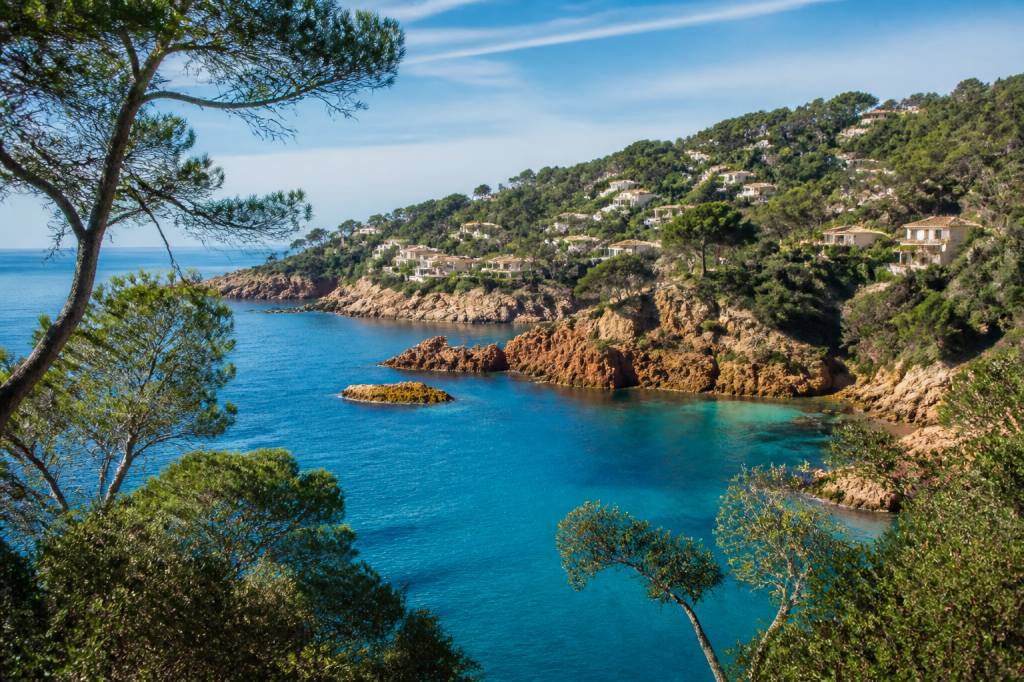
France’s southern coast has a way of making everyday life feel wonderfully cinematic. Think sun-warmed stone villages, bright blue water, seafood lunches that stretch into the afternoon and markets filled with lavender, linen and local cheese. From the relaxed glamour of the French Riviera to the wild landscapes of the Mediterranean west, this coastline offers far more than one glamorous postcard.
Whether you are planning a romantic escape, a stylish city break or a slow family holiday, the south of France has a destination to match. Here are some of the most beautiful places to visit, along with practical tips to help you enjoy them at their best.
Nice: the perfect introduction to the French Riviera
Nice is often the first stop for visitors exploring the southern coast, and it is easy to understand why. The city combines a beautiful seafront, a lively old town and an effortlessly elegant atmosphere. It feels polished without being too formal, making it a brilliant base for your first Riviera adventure.
Begin with a walk along the Promenade des Anglais. Stretching beside the Baie des Anges, this famous boulevard is ideal for an early morning stroll or an evening wander when the city lights begin to sparkle. The Mediterranean views are lovely at any time of day, although sunrise is particularly peaceful.
In Vieux Nice, colourful buildings line narrow lanes filled with cafés, small boutiques and food shops. Stop for a slice of socca, a savoury chickpea pancake that is one of the city’s specialities. The Cours Saleya market is another essential visit, with flowers, fruit, spices and regional products arranged in wonderfully photogenic displays.
For the best view over Nice, walk up to Colline du Château. There is no longer a castle at the top, but the panorama over the rooftops, harbour and sea is more than enough compensation. Wear comfortable shoes: the climb is worth it, but your sandals may not agree.
- Best for: markets, beaches, culture and easy transport connections.
- Don’t miss: the Musée Matisse and the colourful streets of the old town.
- Ideal stay: three to four nights.
Antibes: old-world charm and a glamorous harbour
Antibes feels slightly slower and more intimate than Nice. Its historic centre is surrounded by old ramparts, while the harbour is filled with impressive yachts and sailboats. This contrast between ancient stone streets and modern Riviera glamour gives the town its distinctive character.
Take time to explore the Marché Provençal, where you can browse olives, herbs, cheese, fruit and beautifully presented local produce. It is the kind of place where buying “just one thing” quickly turns into carrying a bag of picnic ingredients back to your hotel.
The Picasso Museum occupies the Château Grimaldi, a striking building overlooking the sea. The collection is fascinating, but the setting is arguably just as memorable. After visiting, follow the coastal path towards Cap d’Antibes. Parts of the walk offer wonderful views of rocky coves and clear water, although sturdy footwear is a sensible choice.
For a relaxed beach day, head towards Plage de la Gravette, a small sandy beach close to the old town. If you prefer something quieter, the Cap d’Antibes coastline has several hidden-looking coves, though they can become busy during the height of summer.
Cannes: more than red carpets
Cannes is famous for its film festival, luxury hotels and designer boutiques, but there is more to the city than celebrity glamour. The old quarter, Le Suquet, is full of character and offers one of the best viewpoints over the Croisette and the bay.
Wander through the narrow streets of Le Suquet before stopping for lunch at a small restaurant. The area has a more traditional feel than the polished waterfront, with pastel façades, little squares and steep lanes that reward curious visitors.
La Croisette is ideal for people-watching. Even outside festival season, you may spot vintage cars, beautifully dressed visitors and the occasional very serious-looking yacht owner. Walk along the promenade, browse the luxury shops or simply find a comfortable terrace and watch the world go by.
For a change of scenery, take a short boat trip to the Lérins Islands. Île Sainte-Marguerite is known for its pine forests, walking trails and the historic Fort Royal. The island is peaceful compared with Cannes and makes an excellent escape when you need a break from the city’s sparkle.
- Best for: shopping, nightlife, beaches and a touch of glamour.
- Don’t miss: Le Suquet and a boat trip to Île Sainte-Marguerite.
- Shopping tip: explore the streets behind the Croisette for smaller independent boutiques.
Menton: pastel colours and Italian influence
Close to the Italian border, Menton is one of the most distinctive towns on the French Riviera. Its buildings glow in shades of yellow, peach and pink, while citrus trees and exotic gardens reflect the town’s unusually mild climate.
The old town climbs up the hillside behind the harbour, so expect a few steps. The reward is a series of beautiful views over the rooftops and sea. The Basilica of Saint-Michel is worth visiting, and the cemetery above it has an extraordinary panorama stretching along the coast.
Menton is also known for its lemons. You will see them featured in soaps, sweets, liqueurs and colourful souvenirs. If you are visiting in February, the Fête du Citron brings enormous citrus sculptures and lively parades to the town. It is cheerful, slightly surreal and very memorable.
For a quieter afternoon, visit the Jardin Serre de la Madone or simply settle at a café with a lemon tart. Menton is a destination that encourages you to slow down. There is no need to fill every hour when the streets themselves are this pretty.
Saint-Jean-Cap-Ferrat: peaceful Riviera luxury
If the busiest resorts feel a little too energetic, Saint-Jean-Cap-Ferrat offers a calmer version of the Côte d’Azur. The peninsula is known for elegant villas, lush gardens and beautiful coastal paths. It is luxurious, but in a discreet, understated way.
Villa Ephrussi de Rothschild is the standout attraction. This impressive pink villa is surrounded by themed gardens, including French, Japanese and Spanish designs. The musical fountains are particularly charming, and the setting makes it easy to imagine a much more glamorous version of your own garden maintenance routine.
The coastal walk around the peninsula is one of the most enjoyable in the region. The route passes rocky shorelines, small swimming spots and clear turquoise water. Some sections are uneven, so trainers are more practical than pretty sandals, although you can always change footwear for lunch.
Nearby Villefranche-sur-Mer is another essential stop. Its deep bay, colourful waterfront and relaxed restaurants make it one of the most photogenic villages on the coast. Combine both destinations in one day if you are staying in Nice.
Saint-Tropez: stylish, historic and surprisingly relaxed
Saint-Tropez may be associated with celebrities, superyachts and expensive beach clubs, but the original fishing village still exists beneath the glamour. The old harbour is lined with cafés, while the narrow streets behind it are filled with art galleries, boutiques and traditional façades.
Visit the Place des Lices, where a local market takes place several times a week. It is a lovely place to browse woven baskets, Provençal textiles, fresh produce and regional specialities. The market is also a good reminder that Saint-Tropez is more than a luxury shopping destination.
For a quieter experience, walk up to the Citadel. The views over the town and surrounding coastline are beautiful, and the museum offers insight into the area’s maritime history. If you want a beach day, Pampelonne Beach is famous, but it can be extremely busy in July and August. Arrive early or visit outside peak season for a more relaxed atmosphere.
Saint-Tropez works particularly well as a two-night stay, giving you enough time to enjoy both the lively centre and the softer, more natural side of the peninsula.
Marseille: vibrant, creative and full of character
Marseille has a grittier personality than the polished Riviera resorts, but that is exactly what makes it so compelling. France’s oldest city is energetic, multicultural and constantly changing, with a strong food scene and a fascinating port culture.
The Vieux-Port is the natural starting point. Watch the boats arrive, explore the fish market and walk towards Le Panier, Marseille’s oldest district. Its steep streets are decorated with murals, colourful shutters and independent shops selling ceramics, clothing and local design pieces.
Make time for the MuCEM, the Museum of European and Mediterranean Civilisations. Its bold architecture sits beside the sea and connects the modern city with the historic Fort Saint-Jean. The views from the footbridges are excellent, particularly in the late afternoon.
No visit to Marseille would be complete without trying bouillabaisse, the city’s famous fish stew. It is traditionally a substantial meal rather than a quick bowl of soup, so choose a reputable restaurant and expect to spend time over it. For something simpler, order a panisse or a slice of pizza from a local bakery.
The Calanques: dramatic coastline near Marseille
Between Marseille and Cassis, the Calanques National Park offers some of the most spectacular scenery in southern France. White limestone cliffs drop into intensely blue water, creating a landscape that feels almost tropical despite being firmly Mediterranean.
You can explore the area by boat, on foot or by kayak. Popular calanques such as Sormiou, Sugiton and En-Vau are breathtaking, although access can be restricted during periods of high fire risk. Always check official conditions before setting out, especially in summer.
Hiking routes range from manageable walks to demanding climbs. Bring plenty of water, sun protection and proper shoes, as shade is limited and the terrain can be rocky. A boat trip is a more comfortable option and still provides exceptional views of the cliffs and hidden coves.
Stay in Marseille for better transport links, or choose Cassis if you prefer a smaller harbour town with a slower pace. Cassis itself is lovely, with pastel buildings, seafood restaurants and vineyards producing the local Cassis wine.
Collioure: a colourful gem near the Spanish border
On the western side of the Mediterranean coast, Collioure offers a different atmosphere from the Côte d’Azur. This former fishing village is known for its small harbour, colourful houses, historic churches and artistic heritage. Painters including Henri Matisse and André Derain were inspired by its intense light and vivid colours.
Explore the Château Royal, visit the Church of Notre-Dame-des-Anges and climb towards the Fort Saint-Elme for sweeping views across the town. The waterfront is perfect for a leisurely lunch, particularly if fresh fish and local wine are involved.
Collioure is also a wonderful place to shop for regional products. Look for handmade espadrilles, Catalan fabrics, local anchovies and small artworks from independent galleries. It is less overtly luxurious than the Riviera, but it has plenty of personality and charm.
When to visit the southern coast of France
July and August offer the hottest weather and longest days, but they also bring the largest crowds and highest prices. Beaches, car parks and popular restaurants can become very busy, particularly around Nice, Saint-Tropez and the Calanques.
May, June, September and early October are often the best months for a balanced trip. The weather is generally warm, the sea is inviting and sightseeing is more comfortable. September is especially appealing: summer energy remains, but the atmosphere is usually more relaxed.
Spring is ideal for gardens, markets and coastal walks, while autumn brings softer light and excellent food festivals. Winter is quieter, although some seasonal businesses close outside the main tourist period.
Useful tips for planning your trip
- Use trains along the Riviera. Nice, Antibes, Cannes and Menton are well connected, and the coastal journey is often scenic.
- Book accommodation early for July and August, especially in Saint-Tropez, Cassis and smaller coastal towns.
- Reserve popular restaurants in advance. This is particularly important for beachfront dining and traditional bouillabaisse.
- Pack comfortable shoes, a reusable water bottle, a light layer for evenings and a good sun hat.
- Check beach and hiking access before visiting national parks or smaller coves.
- Consider travelling between destinations by train and using boats for scenic day trips.
- Learn a few French phrases. A cheerful “bonjour” and “merci” will always improve the experience.
The southern coast of France is at its best when you leave room for spontaneity. Plan the essential sights, then allow time for a long lunch, an unexpected market, a swim in a quiet cove or a sunset that deserves your full attention. From Nice’s elegant promenade to Collioure’s artistic harbour, this is a coastline made for beautiful discoveries—and possibly a little shopping along the way.