


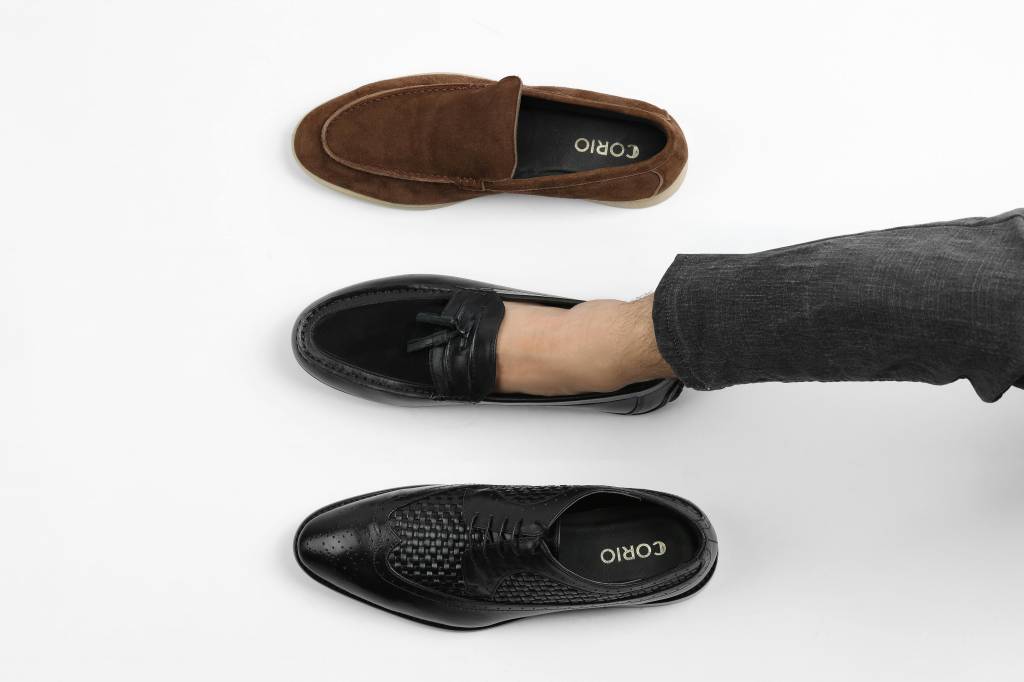
Choosing the right elevator shoes is about much more than adding a few extra centimeters to your height. For many wearers, the best pairs combine discreet height increase, long-lasting comfort, solid construction, and a style that works in everyday life. In a market full of fashion claims and technical promises, knowing what truly matters can help you invest in shoes that look good, feel good, and perform well over time.
Quality elevator shoes are designed to elevate the wearer subtly, without revealing their internal lift. That means the key features are not always obvious at first glance. The best models rely on advanced shoe engineering: an integrated insole system, balanced proportions, breathable materials, and soles that support natural movement. A well-made pair can transform posture, boost confidence, and fit seamlessly into formal, casual, or professional wardrobes.
Discreet internal lift construction
The first feature to examine is the way the height increase is built into the shoe. In a quality pair, the lift should be integrated inside the structure rather than added in a way that feels bulky or unstable. The goal is to create a discreet boost of several centimeters while keeping the exterior profile identical to that of a classic shoe.
This matters because poorly designed elevator shoes can look awkward, especially around the heel area or in the shape of the collar. A good internal lift should remain invisible from the outside and preserve the natural lines of the shoe. The upper should sit smoothly on the foot, while the sole and internal structure work together to support the elevated position comfortably.
Brands with experience in this niche often engineer the lift so that the wearer gains height without creating an exaggerated stance. That balance is essential: the shoe should lift the wearer naturally, not force the foot into a rigid or unnatural angle.
Comfort that lasts throughout the day
One of the most important signs of a quality elevator shoe is comfort over long periods of wear. It is easy to make a shoe look attractive in a product image, but real value comes from how it feels after several hours of walking, standing, commuting, or attending meetings.
Comfort depends on multiple factors: the shape of the footbed, the flexibility of the sole, the support provided by the insole, and the way the upper wraps around the foot. A well-designed elevator shoe should distribute weight evenly, reducing pressure on the ball of the foot and preventing strain on the arch.
Some modern collections now introduce technology-focused improvements that make wear even easier. For example, certain advanced models are designed to feel lighter than traditional elevator shoes, with improved walking mechanics and a more responsive underfoot sensation. These details may sound technical, but in practice they determine whether the shoe is worn occasionally or becomes a true everyday staple.
Materials that support style and durability
The quality of the materials used in elevator shoes has a direct impact on both appearance and lifespan. Premium leather, well-finished suede, and carefully selected synthetic components can each play a role, depending on the style and intended use. What matters most is how these materials are assembled and how they age with regular wear.
Good materials help the shoe maintain its shape, resist creasing, and develop a more refined look over time. They also contribute to breathability, which is especially important in shoes worn for work or long social events. When evaluating a pair, the stitching, lining, and finishing details are just as important as the outer material itself.
In well-engineered height-increasing shoes, the sole should also be built for resilience. A strong sole is not simply about toughness; it also helps preserve structural integrity, improves stability, and ensures that the internal lift remains supportive rather than compressed too quickly.
Natural posture and balanced walking mechanics
A strong elevator shoe does more than increase height. It should help the wearer stand and walk more confidently. Because the foot is elevated, the internal geometry of the shoe must be designed carefully to encourage balance and natural posture. Without this attention to biomechanics, the shoe can feel awkward or tiring.
When a model is made properly, the lifted position can subtly improve the way the body is carried. Many wearers notice a more upright stance, which can influence how they present themselves in meetings, social situations, and formal settings. The psychological effect is often as significant as the physical height gain.
This is where reputable brands distinguish themselves. Instead of focusing only on the visual increase, they refine the relationship between the heel, arch, and sole to create a smoother step. Quality elevator shoes should not make you feel as if you are walking on a platform; they should feel like a refined, supportive version of a normal shoe.
Style range for different occasions
Another essential feature is versatility. The best brands do not limit elevator shoes to one aesthetic. They offer options for business, leisure, and special occasions so that wearers can choose a pair that suits their wardrobe and lifestyle.
Formal models such as Oxfords, Derbies, and loafers are ideal for office environments, ceremonies, and evening events. Their value lies in their understated design and polished finish. Casual sneakers, trainers, and boat shoes offer a more relaxed look for daily use, while seasonal models such as boots or sandals extend the concept into different weather conditions and personal styles.
Women’s collections also deserve attention, as the market has expanded beyond men’s footwear. Quality height-increasing shoes for women should offer the same combination of discretion, comfort, and design variety, adapted to different silhouettes and fashion preferences.
For readers exploring the category in more depth, one of the most useful references remains height increasing shoes, especially when comparing how different styles balance appearance and function.
Lightweight construction for everyday wear
Weight is often overlooked when shopping for elevator shoes, yet it can make a dramatic difference in overall comfort. A heavy shoe may feel stable at first, but after a full day it can become tiring and reduce the appeal of wearing height-increasing footwear regularly.
Quality models increasingly focus on lightweight construction. This is particularly important for people who commute, travel, or spend long hours on their feet. A lighter shoe reduces fatigue and makes the elevated feel more natural. It also helps the shoe move more fluidly with the foot, which can improve the walking experience.
Recent technical advances in the category have made it possible to create shoes that are lighter without sacrificing durability. That is a notable improvement, because it addresses one of the most common concerns buyers have when first considering elevator shoes: the fear that increased height will mean increased heaviness.
Breathability and hygiene features
Comfort is not only about cushioning and fit. It is also about how the shoe behaves inside during wear. Breathability, temperature control, and odor management all influence whether a pair remains pleasant throughout the day.
In quality elevator shoes, the lining and internal structure should help regulate heat and reduce moisture build-up. This becomes especially important in warmer climates, during long workdays, or when shoes are worn without frequent breaks. A shoe that traps heat can quickly feel uncomfortable, regardless of how stylish it looks.
Some advanced models now include hygiene-oriented improvements that support better airflow and help reduce unpleasant odors. These features may not be visible, but they are among the strongest indicators that a brand takes daily wear seriously. They also make the shoe easier to maintain, which extends the useful life of the pair.
Sole strength and long-term reliability
The sole is the foundation of an elevator shoe, and its quality should never be underestimated. Because the shoe must support both the foot and the internal lift, the sole has to deliver stability, durability, and flexibility in the right proportions.
A robust sole helps preserve the structure of the shoe and protects the lift from collapsing prematurely. It should also provide grip and confidence on different surfaces. For many buyers, durability is a deciding factor, especially when the shoe is intended for daily use rather than occasional wear.
In some premium collections, manufacturers even specify high load resistance and reinforced construction. That can offer reassurance to customers who want a shoe capable of handling frequent movement and varied conditions without losing comfort or shape.
Fit, sizing, and proportional design
Fit is critical in any footwear purchase, but it becomes even more important in elevator shoes because the internal lift changes the position of the foot within the shoe. If the fit is too tight, the elevated structure can create pressure points. If it is too loose, the shoe may feel unstable.
Quality elevator shoes should be designed with proportion in mind. This means the upper, collar, toe box, and internal lift all work together to maintain a natural silhouette and a secure fit. Customers should look for brands that offer clear sizing guidance and detailed product information so they can choose the most appropriate model.
A well-proportioned shoe gives the impression of a standard premium shoe while quietly delivering the height increase. That subtlety is one of the defining features of a successful design.
Transparent service and customer experience
The shopping experience also reveals a great deal about a brand’s quality standards. Clear shipping policies, straightforward returns, secure payment options, and transparent pricing all contribute to customer trust. In the elevator shoe category, this is particularly important because buyers often have questions about fit, height gain, and comfort before placing an order.
Brands with strong international operations tend to make the process easier by including duties and taxes in the price and offering customer-friendly services. Free delivery in selected countries, free returns on first orders in certain regions, and installment payment options can all improve accessibility. These details do not change the shoe itself, but they reflect a professional approach to the customer journey.
For a specialized brand such as Mario Bertulli, whose history dates back to 1972 and whose identity is rooted in Italian craftsmanship, service and product quality are part of the same promise. Long experience in the field often translates into more refined construction, better product variety, and a deeper understanding of what wearers actually need.
What to prioritize before buying
When comparing elevator shoes, it helps to focus on a small group of essential criteria rather than being distracted by marketing language. A well-chosen pair should combine discreet height enhancement with comfort, durability, and style.
The most useful features to look for include:
- Invisible internal lift construction that preserves a natural exterior profile
- Comfortable support for long periods of standing and walking
- Premium materials with strong finishing and reliable stitching
- Balanced walking mechanics and stable posture support
- Lightweight design that reduces fatigue
- Breathable, hygienic interiors that stay pleasant during daily wear
- Durable soles built for repeated use
- Style options for business, casual, and seasonal needs
- Clear sizing information and customer-friendly service policies
It is also worth considering how the shoe will fit into your routine. Someone who wears formal shoes daily will have different priorities from someone who wants a casual pair for weekends or travel. The best elevator shoe is the one that aligns with your lifestyle and feels effortless to wear.
Why innovation matters in this category
Elevator shoes have evolved significantly in recent years. What was once a niche product with limited styling and comfort options has become a more sophisticated category with better engineering and broader appeal. This evolution matters because it has raised expectations: customers now want height enhancement without compromise.
That shift has pushed brands to rethink sole construction, material selection, walking dynamics, and internal ergonomics. As a result, modern elevator shoes are often lighter, more breathable, and more versatile than older models. Innovation is no longer an optional extra; it is one of the defining markers of quality.
For buyers, that means it is worth paying attention not only to the visible design but also to the technology behind the shoe. A brand that invests in updated construction methods is usually better positioned to deliver lasting comfort and a more natural feel.
In the end, the best elevator shoes are the ones that disappear into your daily life. They should give you height, yes, but also ease, confidence, and a polished appearance that works across different settings. When those elements come together, the shoe becomes more than a fashion choice. It becomes a practical tool for presenting yourself at your best.