


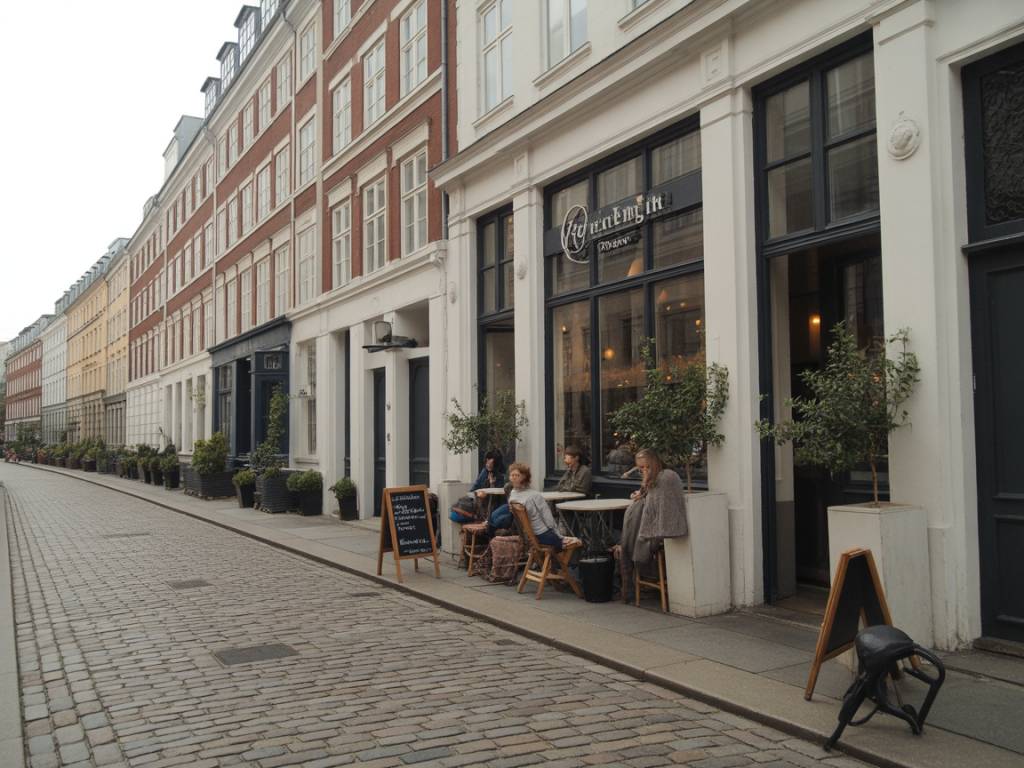
Copenhagen has long been praised for its effortless style, clean design and bike-friendly streets. But beyond the headlines and glossy Instagram posts, the Danish capital is also a brilliant destination for a slow, mindful weekend. Think: lingering over single-origin coffee, browsing minimalist design boutiques, cycling along the harbour at your own pace and ending the day with a glass of natural wine in a candlelit bar.
If you are looking for a weekend that feels restorative rather than rushed, Copenhagen lends itself perfectly to a “slow life” approach: fewer sights, more atmosphere; fewer queues, more quality time. Here’s how to structure a two-day escape that balances cosy cafés, design-led shopping and gentle bike adventures.
Where to stay for a slow weekend
Choosing the right neighbourhood is the first step in setting the tone for your trip. For a calmer, local feel, look beyond the main tourist drag around Nyhavn and the Strøget shopping street.
Vesterbro is ideal for travellers who want a creative, everyday-life vibe. Once a gritty red-light district, it’s now full of independent cafés, natural wine bars and small galleries. Many boutique hotels and stylish guesthouses here are housed in converted industrial buildings, with a distinctly Scandinavian look: pale wood, muted textiles, lots of light.
Nørrebro is another excellent option: a diverse, younger district with relaxed cafés, vintage shops and one of the city’s best parks, Assistens Kirkegård, where locals walk, read and picnic among the trees. The area feels lived-in rather than curated, which suits the slow travel mindset.
When browsing hotels or apartments, look for design-led properties that showcase Danish brands: lamps from Louis Poulsen, chairs by Hans Wegner or Arne Jacobsen, wool blankets by Klippan or Silkeborg. Staying somewhere thoughtfully designed reinforces that sense of calm minimalism you’ll find all over the city.
Slow mornings in Copenhagen’s cosiest cafés
Copenhagen takes coffee seriously, but not in a rush-in, rush-out way. Mornings here are made for sitting by a window, watching cyclists pass by while you sip a carefully brewed filter coffee. Plan at least one unhurried breakfast or brunch each day.
Look for cafés that champion local roasters and have a relaxed, light-filled interior. You’ll see a consistent aesthetic: clean lines, blond wood, soft neutral colours, and, of course, candles even in daylight – the essence of Danish hygge.
Typical slow breakfast ideas to look for on menus:
Specialty coffee is everywhere in Copenhagen, and many spots also sell beans, brewing equipment and minimal ceramic cups you can take home. If you’re a coffee enthusiast, it’s worth picking up:
Even if you’re not planning to build a home coffee bar, these make thoughtful, compact souvenirs that echo the city’s love of quality over quantity.
Design shopping: from iconic classics to new Nordic brands
If you’re drawn to Scandinavian interiors on Pinterest, Copenhagen is your real-life mood board. Slow travel here absolutely includes slow shopping: browsing, touching fabrics and materials, sitting in chairs you’ve only ever seen in magazines, and discovering small, emerging brands.
Spend a few leisurely hours between two or three design districts rather than racing all over town. Aim for independent boutiques and flagship stores where staff are happy to talk through materials, sustainability credentials and care instructions.
Objects to look out for:
Many Danish brands now place sustainability at the core of their identity. When you’re considering a purchase, ask (or check labels) for:
Remember that slow travel is about intention. Instead of buying lots of little souvenirs, invest in one or two pieces you’ll use daily—a bedside lamp, a favourite mug, a throw for your sofa. Every time you reach for them, you’ll be reminded of your time in Copenhagen.
Exploring by bike at a gentle pace
Copenhagen is consistently ranked among the world’s most bicycle-friendly cities, and cycling is the easiest way to experience that elusive slow-life feeling. Locals ride in normal clothes, often with a basket full of groceries or a child seat attached, and the pace is relaxed rather than competitive.
Most hotels and many shops rent bikes by the day. For a less stressful experience, opt for:
Once you’re equipped, design your own soft itinerary rather than following a rigid schedule. A gentle route might include:
The key is to treat the bike as a way to drift between neighbourhoods rather than a tool for ticking off attractions. Stop whenever a café terrace, shop window or quiet bench catches your eye. This unplanned element is often where the best travel memories are made.
Food with a focus on seasonality and comfort
Copenhagen’s food scene is famously innovative, but it’s surprisingly well suited to a slower pace. Many restaurants and wine bars emphasise seasonal menus, local producers and simple, honest plates that encourage you to linger.
For lunches and early dinners, look for places that offer:
Natural wine bars are another cornerstone of the city’s slow-life appeal. Many offer small plates and a relaxed, candlelit ambiance ideal for long conversations. Staff are usually happy to guide you through the list and let you taste before committing to a glass or bottle.
If you’re inspired to bring part of this experience home, consider:
These are easy to pack and will help you recreate Copenhagen’s cosy dining style in your own kitchen.
Finding pockets of calm: parks, water and quiet corners
Even in the cooler months, Copenhageners spend plenty of time outdoors, and the city is dotted with green spaces and waterfront promenades perfect for unhurried walks. Build in at least one hour a day with no agenda other than fresh air and gentle movement.
Some ideas:
Pair these walks with a takeaway coffee or tea from a nearby café and you have an effortlessly slow moment built into your day, with almost no planning required.
Bringing the slow Copenhagen mood back home
A slow weekend in Copenhagen is as much about a mindset as it is about the city itself. The real value lies in noticing how Danes structure their everyday lives: cycling instead of driving, lighting candles at breakfast, investing in fewer but better-made objects, and taking genuine pleasure in small routines.
When you return home, you can extend the benefits of your trip by adopting a few habits inspired by your stay:
Copenhagen makes it remarkably easy to slow down: the infrastructure supports gentle exploration, and the design culture encourages you to think carefully about how you live. With a weekend structured around cosy cafés, design-led browsing and leisurely bike rides, you’re not just sightseeing—you’re test-driving a more considered way of life that might just follow you home.