


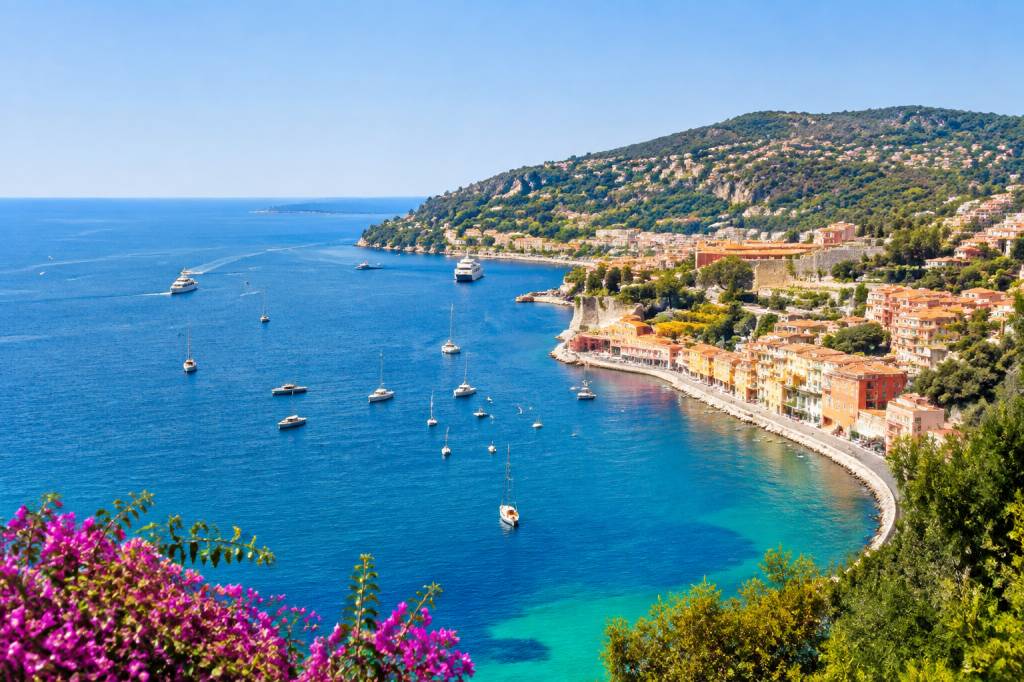
There is something wonderfully cinematic about the South of France. One moment you are wandering through a sleepy village with sun-warmed shutters and lavender-scented air; the next, you are swimming in turquoise water or sipping something chilled beside a glamorous harbour. From the beaches of the French Riviera to the wild landscapes of the Camargue, this corner of France offers far more than beautiful views—although there are plenty of those.
If you are planning a trip and wondering what to see in the South of France, the real challenge is choosing where to begin. The region is wonderfully varied, so you can easily combine culture, food, shopping, beaches and countryside in one unforgettable itinerary. Here are the best places and experiences to add to your list.
Explore the colourful streets of Nice
Nice is one of the easiest places to start a South of France adventure. It has the energy of a city, the relaxed feel of a seaside resort and a beautiful old town that seems designed for leisurely wandering.
Begin with a stroll along the Promenade des Anglais, the famous waterfront boulevard stretching beside the Baie des Anges. The sea is particularly striking in the morning, when the water takes on those brilliant shades of blue that make you understand why artists have been drawn here for generations. Hire a bike, join the locals for a walk or simply find a bench and enjoy the view.
In the heart of Nice, Vieux Nice is full of narrow lanes, pastel-coloured buildings and lively squares. Look out for:
-
Cours Saleya, home to a colourful flower and food market.
-
Place Rossetti, a lovely spot for ice cream and people-watching.
-
The Cathédrale Sainte-Réparate, with its richly decorated interior.
-
The Colline du Château, offering one of the best views over the city and coastline.
Food lovers should try a traditional socca, a savoury chickpea pancake that is crisp around the edges and perfect as a quick snack. Nice is also a good destination for shopping, with independent boutiques in the old town and more familiar names along Avenue Jean Médecin.
Spend a glamorous day in Cannes
Cannes may be famous for its film festival, but you do not need a red-carpet invitation to enjoy it. The city is made for a glamorous day out, whether you are browsing designer shops, relaxing on the beach or enjoying lunch with a view.
La Croisette is the place to see and be seen. This palm-lined boulevard runs beside sandy beaches, luxury hotels and elegant boutiques. Even outside festival season, it has a little sparkle. Take a slow walk along the waterfront, then head into the streets behind the boulevard for smaller shops, cafés and restaurants.
For a change of scenery, climb to Le Suquet, Cannes’ oldest neighbourhood. Its steep, winding streets lead to the Église Notre-Dame d’Espérance and a panoramic viewpoint overlooking the port. The climb is worth it, especially in the early evening when the rooftops glow in the soft Mediterranean light.
You can also take a short boat trip to the Lérins Islands. Île Sainte-Marguerite is known for its pine forests, clear swimming spots and the Fort Royal, linked to the mysterious story of the Man in the Iron Mask. It feels surprisingly peaceful considering how close it is to the busy Riviera.
Discover the charm of Antibes and Juan-les-Pins
Antibes offers a slightly more relaxed alternative to Cannes and Nice. Its historic centre is full of character, with stone walls, colourful shutters and small lanes that lead towards the sea.
The Marché Provençal is one of the highlights. Arrive in the morning to browse stalls piled high with fruit, vegetables, spices, cheese and local specialities. It is the kind of market where buying “just one thing” becomes an entire bag of treats. Pick up some fresh bread, olives and fruit for a simple picnic by the water.
Art enthusiasts should visit the Musée Picasso, housed in the Château Grimaldi. Picasso worked here for a short time, and the museum combines his art with wonderful views across the Mediterranean.
After exploring Antibes, continue towards Juan-les-Pins, a livelier seaside resort with sandy beaches and a long waterfront promenade. It is particularly enjoyable in the evening, when the restaurants and bars begin to fill up and the atmosphere becomes wonderfully relaxed.
Visit the hilltop village of Èze
Èze is one of the most beautiful villages on the French Riviera, and its dramatic position high above the sea is part of the magic. The medieval village is built into the hillside, with stone passageways, arched entrances and tiny courtyards overflowing with plants.
At the top, the Jardin Exotique offers spectacular views over the Mediterranean. On a clear day, you can see along the coastline towards Saint-Jean-Cap-Ferrat. It is a good idea to wear comfortable shoes, as the village streets are steep and uneven. This is not the place for your most ambitious holiday heels—save those for dinner.
Èze is also known for its perfumes. Visit one of the local perfume houses to learn more about the region’s flowers and fragrances, or pick up a beautifully packaged scent as a memorable souvenir. The village is easy to visit from Nice by bus or car, although arriving early will help you avoid the busiest period.
Enjoy the elegance of Saint-Jean-Cap-Ferrat
For a more peaceful Riviera experience, head to Saint-Jean-Cap-Ferrat. This beautiful peninsula is famous for its villas, secluded coves and walking paths beside the sea.
Villa Ephrussi de Rothschild is a must-see. The pink villa is surrounded by themed gardens, including French, Japanese, Spanish and Florentine sections. The musical fountains are especially charming, and the whole estate feels like a glimpse into the Riviera’s glamorous past.
The coastal path around Cap-Ferrat is another highlight. The full walk takes a few hours, but you can choose a shorter section and stop at one of the small coves for a swim. Bring water, sunscreen and snacks—the views may be distracting, but they will not keep you hydrated.
Wander through Aix-en-Provence
Aix-en-Provence has a different personality from the coastal towns. Elegant, artistic and effortlessly stylish, it is a city of fountains, plane trees, markets and grand 17th-century buildings.
Start along the Cours Mirabeau, one of the city’s most attractive avenues. Its cafés and restaurants are ideal for a leisurely coffee, while the side streets lead to independent boutiques, galleries and delicatessens. Aix is a brilliant place to shop for regional products, from handmade soaps and ceramics to olive oil and lavender goods.
Make time for the daily markets. Depending on the day, you may find fresh produce, flowers, clothing, antiques and local crafts. The food markets are particularly tempting, with Provençal herbs, cheeses, fruit and pastries arranged in colourful displays.
Aix was also the birthplace of painter Paul Cézanne. Follow the Cézanne trail through the city or visit the Atelier Cézanne, where he worked during the final years of his life. For a scenic walk, head to the nearby Montagne Sainte-Victoire, the landscape that inspired many of his paintings.
See lavender fields and hilltop villages in Provence
If your trip takes place between late June and early August, Provence’s lavender fields deserve a place on your itinerary. The exact flowering period changes each year, but when the fields are in bloom, the countryside becomes a sea of purple with an unmistakable floral scent.
The Plateau de Valensole is one of the most famous areas for lavender, with long, sweeping rows that seem to disappear into the horizon. Visit early in the morning or later in the afternoon for softer light and fewer crowds. Remember that the fields are often privately owned, so stay on paths and avoid walking through crops.
Pair a lavender visit with one of Provence’s hilltop villages. Gordes, Roussillon and Ménerbes are all beautiful choices, each offering stone houses, panoramic views and plenty of opportunities for a long lunch. Roussillon is particularly distinctive because of its red and orange ochre cliffs.
For a memorable experience, book a local farm visit or workshop. You may learn how lavender is harvested, discover essential oils or sample regional honey. These small experiences often become the stories you remember long after the holiday is over.
Take in the drama of Marseille and the Calanques
Marseille is energetic, colourful and full of contrasts. The city has a long history, a strong cultural identity and a busy harbour that remains at the centre of daily life.
Visit the Vieux-Port, where fishing boats and pleasure craft sit side by side. From here, walk up to the Basilique Notre-Dame de la Garde for one of the finest views over Marseille. The basilica’s golden statue can be seen from many parts of the city, and the panorama from the top stretches across the rooftops and sea.
Do not leave without trying bouillabaisse, Marseille’s famous fish stew. It is a traditional dish that is best enjoyed slowly, preferably in a restaurant with a view. For something more casual, explore the markets and sample panisse, a chickpea-based speciality often served as a snack.
Just outside the city, the Calanques National Park offers a spectacular combination of white limestone cliffs, pine trees and clear blue water. Calanques such as Sormiou, Morgiou and Sugiton can be reached by walking trails, boat trips or organised tours. Check access conditions before travelling, as some paths close during hot, dry weather due to fire risk.
Step back in time in Avignon and Arles
History lovers will find plenty to enjoy inland. Avignon is best known for the Palais des Papes, an imposing medieval palace that reflects the city’s important role in European history. Walk along the old city walls, explore the historic centre and see the famous Pont d’Avignon, or Pont Saint-Bénézet.
Arles is another essential stop, particularly if you enjoy Roman history and art. Its ancient amphitheatre, Roman theatre and baths reveal the city’s remarkable past. Arles was also closely associated with Vincent van Gogh, who painted many local scenes, including cafés, streets and fields around the town.
The city is especially lively during its festivals, but it is rewarding at any time of year. Browse small galleries, enjoy a meal in a shaded square and look for the blend of Roman architecture and Provençal life that gives Arles its distinctive character.
Experience the wild side of the Camargue
For a completely different landscape, travel to the Camargue, a vast wetland area where nature takes centre stage. This is the place to see white horses, black bulls and pink flamingos in their natural surroundings.
Explore by bicycle, guided safari or horseback. Horse riding is particularly popular here, with local Camargue horses taking visitors across marshes and sandy trails. You do not need to be an expert rider, but a sense of adventure helps.
Visit Saintes-Maries-de-la-Mer for beaches, seafood restaurants and a relaxed seaside atmosphere. The area is also known for its salt production, and the pink-toned salt ponds are beautiful to see in certain seasons. Bring binoculars if you enjoy birdwatching, as the Camargue is home to an impressive variety of species.
Practical tips for planning your trip
The South of France is easy to explore by train between major cities, but a car gives you much more freedom in Provence and the smaller villages. If you are travelling during July or August, book accommodation and popular restaurants well in advance. The coast can be extremely busy, while inland villages may feel calmer and more spacious.
-
Pack comfortable shoes for cobbled streets, village steps and coastal walks.
-
Carry a reusable water bottle, especially during summer hikes.
-
Book museum tickets and boat trips ahead during peak season.
-
Plan market visits in the morning, when produce is freshest and the atmosphere is liveliest.
-
Leave space in your luggage for olive oil, soap, local wine and anything lavender-scented.
Most importantly, allow yourself time to slow down. The best moments in the South of France are not always the famous sights. They might be a morning coffee in a quiet square, a swim in a hidden cove, a sunset over the vineyards or a spontaneous stop at a village market. Combine a few iconic destinations with plenty of unplanned time, and you will experience the region at its most memorable.