
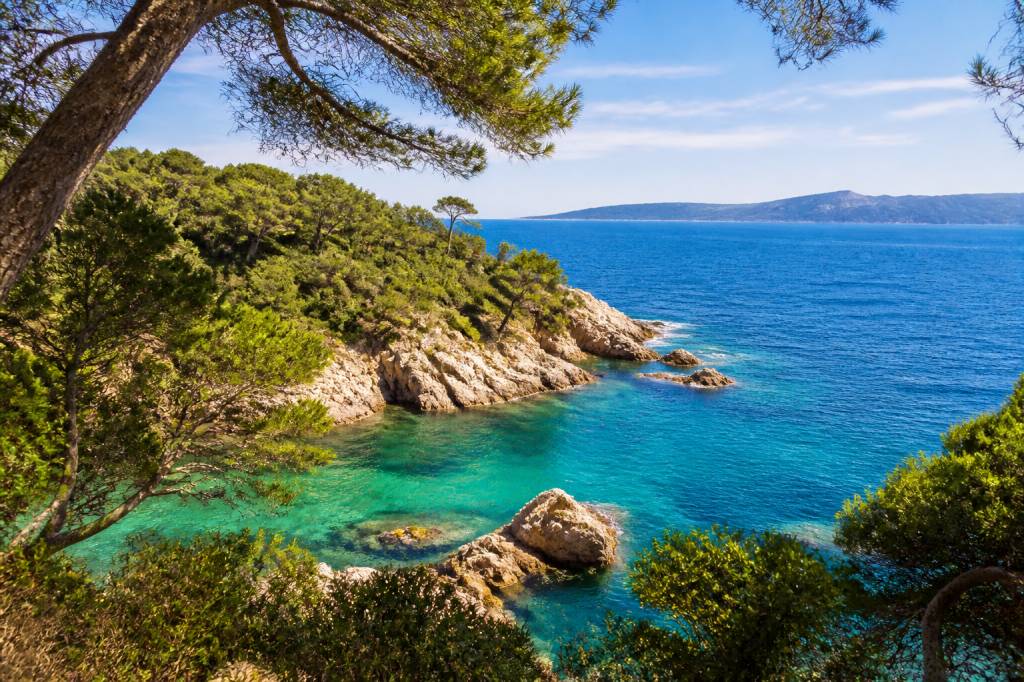
There is something wonderfully cinematic about the South of France. One moment you are wandering through a village lane scented with lavender and warm stone; the next, you are swimming in bright blue Mediterranean water or browsing a market piled high with peaches, olives and local cheese. It is the sort of destination that makes you want to slow down, dress slightly better and order another coffee purely because the setting is so lovely.
From glamorous coastal towns to peaceful mountain villages, the south offers far more than a beach break. Whether you are planning a romantic escape, a family holiday or a road trip with plenty of stops for shopping and good food, these are some of the best places to visit in the South of France for an unforgettable holiday.
Nice: The perfect introduction to the French Riviera
Nice is often the easiest place to begin a South of France adventure, thanks to its international airport, excellent train connections and wonderfully walkable centre. It has the energy of a city but the relaxed rhythm of a seaside resort, making it a brilliant choice if you want a little bit of everything.
Start with a stroll along the Promenade des Anglais, the famous waterfront boulevard stretching beside the Baie des Anges. Early morning is ideal for a peaceful walk, while sunset brings a more glamorous atmosphere. You can also hire a bicycle, find a spot on the pebbly beach or simply watch the world go by from one of the blue chairs.
Nice’s Old Town, known as Vieux Nice, is full of colourful shutters, pretty squares and narrow streets that seem designed for getting pleasantly lost. Visit the Cours Saleya market for flowers, fruit, spices and local specialities. Pick up a slice of socca, a savoury chickpea pancake that is one of the city’s signature snacks. It is simple, delicious and best eaten while exploring.
For panoramic views, climb up to Castle Hill. The original castle has disappeared, but the viewpoint remains one of the best in the city. You can see the coastline, terracotta rooftops and the harbour from above, so remember your camera.
Antibes: Art, beaches and old-world charm
Antibes offers a more relaxed alternative to some of the Riviera’s glitzier destinations. Its historic old town is encircled by ancient ramparts, with little boutiques, cafés and restaurants tucked into the winding streets. It is a lovely place to spend a day without following a strict itinerary.
The Picasso Museum is housed in the Château Grimaldi, where the artist worked for a short time in 1946. Even if modern art is not usually your thing, the building and its position overlooking the sea are worth visiting. The views from the terraces are particularly beautiful.
For a dose of luxury, walk along the Cap d’Antibes coastal path. The route follows the rocky shoreline and passes elegant villas, quiet coves and bright Mediterranean water. Comfortable shoes are a must, as parts of the path can be uneven. Pack water, too; looking effortlessly chic is easier when you are not dehydrated.
Antibes also has several beaches, including the sandy Plage de la Gravette near the old town. It is convenient for a quick swim between sightseeing and lunch. If you prefer a livelier resort atmosphere, Juan-les-Pins is next door and has a long sandy beach, beach clubs and plenty of restaurants.
Cannes: More than the film festival
Cannes is famous for red carpets, designer boutiques and celebrity sightings, but you do not need an invitation to enjoy the city. Its palm-lined Croisette is perfect for a leisurely walk, with the Mediterranean on one side and grand hotels and luxury shops on the other.
For a quieter experience, head towards Le Suquet, Cannes’ oldest neighbourhood. Its steep, narrow streets lead to the Church of Our Lady of Hope and a viewpoint overlooking the harbour and coastline. The area has a more authentic feel than the polished Croisette and is a great place for a long lunch.
Shopping is, naturally, a major attraction. Rue d’Antibes is home to well-known fashion and beauty brands, while the streets around the old town offer smaller independent shops. If your suitcase has room for a souvenir, look for Provençal soaps, scented candles or colourful textiles.
Take a boat trip to the Lérins Islands if you want to escape the bustle. Île Sainte-Marguerite is known for its pine forests, clear water and the former prison where the mysterious Man in the Iron Mask was held. It is close enough for a half-day visit and feels worlds away from the city.
Saint-Paul-de-Vence: A beautiful artistic retreat
Perched on a hill inland from the coast, Saint-Paul-de-Vence is one of the most picturesque villages in the region. Its stone walls, flower-filled lanes and sweeping views have attracted artists and writers for decades, including Marc Chagall, who lived in the village.
The village is small, but it rewards slow exploring. Browse art galleries, admire the old fountains and pause in a shaded square for a drink. The streets can become busy during the middle of the day, so arriving early or visiting later in the afternoon will give you a more peaceful experience.
Art lovers should visit the nearby Fondation Maeght, a modern art museum surrounded by gardens and sculptures. It has an impressive collection and a setting that makes the visit feel like much more than a standard gallery trip.
Saint-Paul-de-Vence is particularly suited to a romantic day trip. Bring a light jacket for the evening, book a table in advance during summer and do not rush your visit. Some places are best enjoyed at a slower pace.
Èze: A hilltop village with spectacular views
Èze is one of the most memorable stops on the French Riviera. The medieval village rises dramatically above the sea, with stone passageways, artisan shops and small galleries around almost every corner.
The highlight is the Jardin Exotique at the top of the village. Built around the ruins of an old fortress, the garden contains a collection of drought-resistant plants and offers magnificent views along the coast. On a clear day, you can see all the way towards Saint-Jean-Cap-Ferrat.
There are two main ways to visit Èze. You can take the bus or drive up to the village, or you can tackle the Nietzsche Path from Èze-sur-Mer. The hike is steep and takes around an hour and a half, but the views are rewarding. Wear proper footwear rather than holiday sandals, unless you fancy turning a scenic walk into an accidental adventure.
Èze is easy to combine with Monaco or Nice, although it is worth allowing enough time to enjoy it properly. The village is at its most atmospheric in the morning or near sunset, when the light turns the stone buildings golden.
Monaco and Monte-Carlo: A glamorous day trip
Although technically an independent principality, Monaco is a popular addition to any South of France itinerary. It is compact, polished and unmistakably glamorous, with dramatic cliffs, superyachts and the famous Monte-Carlo Casino.
Visit the old town of Monaco-Ville to see the Prince’s Palace, the cathedral and the Oceanographic Museum. The palace square has excellent views, while the museum is especially appealing if you are travelling with children or enjoy marine life.
Monte-Carlo brings the glamour. You can admire the casino’s grand exterior, stroll through the nearby gardens and watch luxury cars glide past. Evening visits have an extra sparkle, but remember that there is a dress code if you plan to enter certain areas of the casino.
Travelling by train from Nice is often easier than driving, particularly in high season. The coastal railway offers beautiful views and avoids the stress of finding parking in one of the most densely built-up places in Europe.
Aix-en-Provence: Markets, fountains and Provençal style
Inland Aix-en-Provence is elegant, lively and ideal for a holiday centred around food, culture and shopping. Its grand avenues are lined with plane trees, fountains and beautiful 17th- and 18th-century buildings.
Spend time walking along the Cours Mirabeau, then explore the smaller streets leading off it. Aix is full of independent boutiques selling linen clothing, handmade jewellery, ceramics and beauty products inspired by Provence. It is a wonderful place to find thoughtful gifts that are more memorable than a fridge magnet.
Market days bring even more colour to the city. Depending on the day, you may find stalls selling flowers, fresh produce, antiques, baskets and local specialities. Look out for calissons, the almond and candied fruit sweets associated with Aix. They are delicious with coffee and easy to pack for the journey home.
The city also has strong links to painter Paul Cézanne. Follow the Cézanne trail or visit locations connected with his life and work. For a countryside escape, head towards the nearby Montagne Sainte-Victoire, which inspired many of his paintings.
Avignon: History behind the famous bridge
Avignon is one of the best destinations in Provence for history and architecture. The city’s most impressive landmark is the Palais des Papes, a vast medieval palace that once housed the popes during the 14th century. Its grand halls, courtyards and towers offer a fascinating glimpse into the city’s powerful past.
You will also want to see the Pont Saint-Bénézet, better known as the Pont d’Avignon. Only part of the original bridge remains, but it stretches into the Rhône and has become one of the most recognisable sights in France.
Avignon’s historic centre is surrounded by sturdy medieval walls and filled with cafés, galleries and independent shops. During July, the city hosts the famous Festival d’Avignon, bringing theatre and performance to streets and historic venues. Accommodation can become limited, so book well ahead if you are visiting during the festival.
Avignon is also a useful base for exploring the wider region. The villages of the Luberon, vineyards around Châteauneuf-du-Pape and the Roman sites of Provence are all within reach by car.
Arles: Roman heritage and creative energy
Arles is a fascinating city where Roman history, Provençal culture and art come together. Its ancient amphitheatre is still used for events, while the Roman Theatre and the Alyscamps cemetery reveal the importance of the city thousands of years ago.
Vincent van Gogh spent time in Arles, and many locations connected with his paintings can still be found around the city. A walking route takes you to some of the places that inspired works such as The Yellow House and Café Terrace at Night.
Arles has a creative, slightly bohemian atmosphere, with photography exhibitions, independent design shops and a lively market. The Saturday market is one of the largest in Provence, offering everything from fruit and cheese to clothing, flowers and regional treats.
It is also a gateway to the Camargue, a wild wetland area known for white horses, black bulls, flamingos and wide open landscapes. A day trip here provides a striking contrast to the stone towns and busy coastal resorts.
Cassis: Calanques and coastal beauty
Small, colourful and surrounded by dramatic scenery, Cassis is one of the most appealing seaside towns near Marseille. Its harbour is lined with cafés and restaurants, and the waterfront is a lovely place to enjoy fresh fish or a glass of local wine.
The main reason to visit is the Calanques National Park, a spectacular stretch of limestone cliffs, turquoise water and hidden inlets between Marseille and Cassis. You can explore the calanques by boat, on foot or by kayak, depending on the weather and your fitness level.
Calanque d’En-Vau is among the most famous, but it can become very busy in summer. Boat tours are a comfortable way to see several inlets without tackling challenging paths. If you prefer hiking, check local access restrictions before setting off, as extreme heat and wildfire risk can occasionally close trails.
Keep an eye out for local wines made from the white grape varieties of the Cassis appellation. They pair beautifully with seafood and make a lovely reminder of a sunny afternoon by the harbour.
Saint-Tropez: Beaches and Provençal glamour
Saint-Tropez has a reputation for luxury, but its charm is not limited to designer boutiques and expensive yachts. The old port, pastel-coloured buildings and historic lanes still give the town plenty of Provençal character.
Explore the old quarter of La Ponche, visit the market at Place des Lices and climb to the Citadel for views across the town. The market is a good place to browse baskets, textiles, soaps and regional food, while the port is perfect for people-watching.
Outside the town centre, you will find some of the Riviera’s most famous beaches, including Pampelonne. Beach clubs range from glamorous to relaxed, so there is usually an option for different budgets. During July and August, traffic can be heavy, and parking fills quickly. Staying nearby or travelling early can make the experience considerably easier.
Planning your South of France holiday
The best time to visit depends on the type of trip you want. June and September usually offer warm weather, pleasant swimming conditions and fewer crowds than the peak months of July and August. Spring is ideal for markets, gardens and walking, while autumn brings softer light and a calmer atmosphere.
The train is excellent for connecting Nice, Antibes, Cannes, Monaco, Aix-en-Provence, Avignon and Marseille. A car becomes more useful when exploring hilltop villages, vineyards and the countryside, although driving and parking in old towns can be challenging. A combination of train travel and short car hire often works well.
Do not try to see everything in one visit. A coastal itinerary might include Nice, Antibes, Cannes, Èze and Monaco, while a Provence route could focus on Aix, Avignon, Arles and the Luberon. Allow time for long lunches, market browsing and unplanned stops. After all, the most memorable South of France moments are often the ones that were not on the original schedule.

More Stories
Mont-Louis travel guide: things to see and do
Discover Chevreuse France: a charming escape near Paris
Southern France attractions: the best places to visit for an unforgettable holiday