
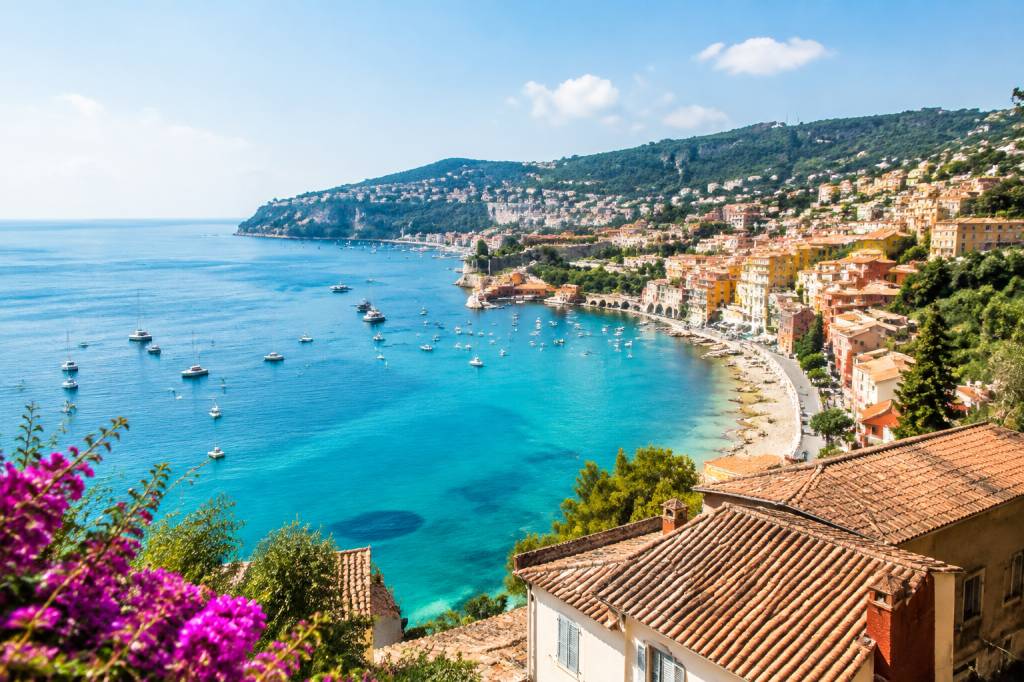
There is something wonderfully irresistible about the south of France. Perhaps it is the promise of long lunches beneath plane trees, or the scent of lavender drifting through the countryside. Maybe it is the glittering Mediterranean, the pastel façades, the village markets and the fact that even a simple coffee seems to taste better when served on a sunny terrace.
Whether you are planning a romantic escape, a stylish girls’ trip or a slower family holiday, the region offers far more than the famous glamour of the French Riviera. From elegant coastal towns to peaceful hilltop villages, these are some of the nicest places south of France for an unforgettable getaway.
Nice: the perfect introduction to the French Riviera
Nice is an easy place to fall for. It has the energy of a city, the beauty of a seaside resort and enough history to keep curious travellers busy between beach visits. The famous Promenade des Anglais is the obvious starting point, stretching along the Baie des Anges with sweeping views of the Mediterranean.
For the best atmosphere, take an early morning walk along the promenade before the city gets busy. Later, head into Vieux Nice, the colourful old town, where narrow streets lead to lively squares, pretty churches and small shops selling everything from handmade soaps to local specialities.
The Cours Saleya market is a must-visit. It is packed with flowers, fresh produce and regional treats, and it is exactly the kind of place where you intend to buy one small souvenir but leave carrying a bag of lavender, a bar of olive oil soap and several pastries.
Make time for Castle Hill, or Colline du Château, even though the original castle has long disappeared. The viewpoint is one of the best in Nice, offering photographs over the red rooftops, the old port and the endlessly blue sea.
- Best for: city breaks, food lovers and first-time visitors to the Riviera.
- Do not miss: socca, a savoury chickpea pancake that is a local favourite.
- Ideal stay: three to four nights.
Antibes: old-town charm and coastal beauty
Antibes feels more relaxed than nearby Cannes and often more personal than Nice. Its old town is surrounded by historic ramparts, with cobbled streets, small galleries and cafés spilling onto sunny pavements. It is a lovely place to wander without a strict plan, which is often the best kind of travel plan.
The Picasso Museum is located in the Château Grimaldi and is worth visiting for both the art and the setting. Perched above the sea, the building has spectacular views across the coastline. Afterwards, walk along the ramparts towards the Nomade sculpture, a striking artwork overlooking the harbour.
Antibes is also home to Port Vauban, one of the largest marinas in Europe. It is entertaining to stroll past the impressive yachts, although window-shopping here can become rather dangerous for the bank balance. For a quieter coastal experience, follow the Cap d’Antibes coastal path. The route passes rocky coves, clear water and beautiful villas hidden behind greenery.
If you would like a sandy beach, Juan-les-Pins is just next door and has a livelier resort atmosphere. It is particularly enjoyable in summer when restaurants, beach clubs and music venues stay open late.
Cannes: a glamorous escape with plenty of substance
Cannes is known around the world for its film festival, red carpets and luxury hotels, but you do not need a celebrity budget to enjoy it. The city has a playful, polished energy and works beautifully for a short break.
Start on La Croisette, the famous waterfront boulevard lined with palm trees, designer boutiques and grand hotels. It is ideal for people-watching, especially when the city is preparing for one of its major events. If you prefer a quieter setting, head to Le Suquet, the oldest part of Cannes. Its steep, winding streets lead to the Église Notre-Dame d’Espérance and a wonderful view over the harbour.
Cannes is also a good base for exploring the Lérins Islands. A short boat trip takes you to Île Sainte-Marguerite, known for its pine forests, peaceful walking trails and the historic Fort Royal. Pack water, a picnic and comfortable shoes; the island is a refreshing change from the buzz of the city.
For shopping, Cannes is hard to beat. Alongside luxury labels, you will find French pharmacies, independent boutiques and stylish homeware shops. Even browsing the windows can provide plenty of holiday inspiration.
- Best for: glamour, shopping and special occasions.
- Do not miss: a boat trip to Île Sainte-Marguerite.
- Ideal stay: two or three nights, or longer if you plan to explore the coast.
Menton: pastel colours and Italian influences
Close to the Italian border, Menton is one of the prettiest and most distinctive towns on the Côte d’Azur. Its buildings are painted in shades of yellow, peach and terracotta, creating a cheerful backdrop for a relaxed seaside break.
The old town climbs gently towards the Basilica of Saint-Michel, and the views become more impressive as you make your way uphill. Take your time exploring the narrow lanes, pretty staircases and small squares. Menton has a slower rhythm than Nice or Cannes, making it particularly appealing if your idea of a holiday involves long breakfasts and very little rushing.
The town is famous for its lemons, which appear in everything from cakes and marmalades to liqueurs. If you visit during February, the Fête du Citron brings colourful floats, sculptures and plenty of citrus-themed fun. It is one of the more unusual festivals in the region and a brilliant excuse to visit outside the main summer season.
Jardin Serre de la Madone and the Val Rahmeh-Menton Botanical Garden are both worth adding to your itinerary. Their exotic plants and peaceful paths offer a welcome break from sightseeing. Of course, you should also leave time for a swim or a seaside lunch. Menton makes doing very little feel like a genuine luxury.
Saint-Paul-de-Vence: an artistic hilltop village
If you dream of the postcard version of Provence, Saint-Paul-de-Vence delivers. This fortified medieval village sits on a hill surrounded by green landscapes, with stone walls, flower-filled lanes and beautiful views in every direction.
Saint-Paul-de-Vence has long attracted artists, writers and actors, and its creative spirit is still evident in the galleries dotted throughout the village. The Fondation Maeght, just outside the centre, is one of the most important modern art museums in the region. Its sculpture garden and Mediterranean setting make the visit feel like an experience rather than a standard museum trip.
The village is compact, so it can be explored in a few hours. Visit early in the day or later in the afternoon to avoid the busiest period, particularly during July and August. A quiet evening walk, when the day-trippers have gone, reveals a more atmospheric side of Saint-Paul-de-Vence.
Wear comfortable shoes, as the cobbled streets are charming but not especially friendly to delicate sandals. This is also a good place to choose a special souvenir, whether that means local ceramics, artwork or a beautifully packaged Provençal gift.
Aix-en-Provence: elegant streets and café culture
Aix-en-Provence has a refined, relaxed character that makes it ideal for a long weekend. Known for its fountains, grand mansions and leafy boulevards, the city feels effortlessly elegant without becoming too formal.
The Cours Mirabeau is the central meeting point, lined with cafés, restaurants and plane trees. Find a table outside, order a coffee or a glass of local wine and watch the world go by. This is not the place for rushing through lunch. In Aix, lingering is practically a cultural activity.
Explore the old town to discover independent boutiques, art galleries and food shops. The daily markets are particularly enjoyable, with stalls selling fruit, cheese, flowers, bread and Provençal specialities. If you are staying in an apartment, this is the perfect opportunity to pick up ingredients for a relaxed dinner.
Art lovers should follow in the footsteps of Paul Cézanne, who was born in Aix-en-Provence. The Atelier de Cézanne offers a glimpse into the artist’s working life, while the surrounding countryside inspired many of his famous paintings. For a scenic outing, travel to the nearby Montagne Sainte-Victoire, which dominates the landscape.
- Best for: art, food, shopping and a stylish city break.
- Do not miss: a market visit followed by a slow lunch on the Cours Mirabeau.
- Ideal stay: two to four nights.
Marseille: energetic, colourful and full of character
Marseille is not always the first place people consider for a southern France getaway, but that is precisely part of its appeal. The city is lively, multicultural and wonderfully imperfect. It has a strong personality, excellent food and a spectacular coastal setting.
The Vieux-Port is the natural starting point. Fishing boats and yachts fill the harbour, while cafés and restaurants line the waterfront. From here, walk up to Le Panier, Marseille’s oldest neighbourhood. Its colourful façades, street art and winding lanes make it one of the most photogenic parts of the city.
Notre-Dame de la Garde sits on the highest point in Marseille and offers panoramic views across the rooftops and sea. The basilica is impressive, but the view alone is worth the climb or short bus ride.
For a day beside the water, explore the Calanques National Park. These dramatic limestone inlets stretch along the coast, with turquoise water and rugged cliffs that look almost too perfect to be real. Some calanques can be reached by public transport and hiking, while boat trips provide an easier way to appreciate the scenery.
Do not leave Marseille without trying bouillabaisse or a simple bowl of soupe au pistou. The city’s cuisine reflects its Mediterranean history, so expect bold flavours, fresh seafood and plenty of garlic. Perhaps not the ideal menu before a first date, but certainly a memorable one.
Saint-Tropez: chic beaches and Provençal charm
Saint-Tropez may be famous for superyachts and summer celebrities, but it still has a charming village side. The old port is lined with restaurants and pastel buildings, while the back streets are filled with boutiques, galleries and traditional Provençal shops.
For a quieter experience, visit the Place des Lices, where locals gather beneath the plane trees. On market days, stalls fill the square with baskets, textiles, fresh food and flowers. It is a lovely place to find holiday essentials, although “holiday essentials” can quickly become a new basket or a linen shirt.
The beaches around Saint-Tropez are among the most attractive in the region. Pampelonne Beach is the best known, with a choice of relaxed beach restaurants and stylish clubs. Arrive early in high season if you want a good spot, and consider visiting in September when the weather remains warm but the atmosphere is calmer.
Saint-Tropez is expensive in parts, but you can enjoy it on a more manageable budget by staying outside the centre, eating lunch rather than dinner at the beach and making the most of free pleasures such as swimming, walking and admiring the sunset.
Gordes and the Luberon: the beauty of inland Provence
For lavender fields, stone farmhouses and quiet roads through the countryside, head inland to the Luberon. Gordes is one of the region’s most famous villages, dramatically built into the side of a hill and surrounded by rolling Provençal landscapes.
The village is particularly beautiful in the early morning, when the light turns the stone buildings golden. Wander around the narrow streets, visit the market and stop at a terrace overlooking the valley. Nearby, the Sénanque Abbey is surrounded by lavender fields and is one of the most recognisable sights in Provence.
Other villages worth visiting include Roussillon, known for its striking red and orange cliffs, and Lourmarin, which combines a pretty château with excellent cafés and independent shops. This area is best explored by car, giving you the freedom to stop at roadside stalls, vineyards and viewpoints whenever something catches your eye.
Plan your visit between June and early July for the famous lavender displays, but remember that this is also peak season. May, September and October offer softer light, pleasant temperatures and fewer visitors.
Practical tips for planning your southern France escape
The nicest destination depends on the type of getaway you want. Nice and Antibes are convenient for a first visit, Aix-en-Provence is perfect for food and culture, while the Luberon is better suited to slow days and scenic drives. Marseille offers energy and adventure, and Menton is ideal when you want beauty without quite so much bustle.
- Choose the right season: July and August bring sunshine and lively beach resorts, but they also bring crowds and higher prices. May, June, September and early October are often more comfortable.
- Book accommodation early: Coastal towns fill quickly during summer, especially around festivals and major events.
- Consider travelling by train: Nice, Cannes, Antibes, Marseille and Aix-en-Provence are well connected. A car becomes more useful for hilltop villages and the Luberon.
- Pack for walking: Cobbled streets, steep villages and coastal paths are part of the charm, so comfortable shoes are essential.
- Leave room for spontaneity: Some of the best moments may be an unexpected market, a hidden beach or an unplanned lunch that lasts three hours.
From the glamorous Riviera to the peaceful Provençal countryside, southern France is wonderfully varied. You can spend one morning browsing designer boutiques, the afternoon swimming in clear Mediterranean water and the evening eating beneath strings of lights in a village square.
That combination of beauty, food, culture and effortless sunshine is what makes the region so unforgettable. Choose one base or create a longer road trip through several of these destinations, and you will quickly understand why the south of France has inspired travellers, artists and romantics for generations.

More Stories
France hidden gems: 15 enchanting places to discover beyond the tourist trail
Coastal cities in southern France: a guide to the mediterranean’s must-visit gems
South of France things to do: unforgettable experiences for your next getaway