
France has a remarkable talent for stealing the spotlight. Paris, the French Riviera, Provence and the Loire Valley attract millions of visitors every year—and quite rightly so. But beyond the famous landmarks and postcard views, there is another France waiting to be discovered: quieter, more atmospheric and often wonderfully unexpected.
Think medieval villages tucked into dramatic valleys, wild coastlines, colourful markets and mountain towns where life moves at a more graceful pace. If you are looking for a French escape with fewer crowds and plenty of character, these hidden gems deserve a place on your travel list.
Here are 15 enchanting places to discover beyond the usual tourist trail.
1. Collioure, Occitanie
Set on the Mediterranean coast near the Spanish border, Collioure feels like a painting brought to life. Its colourful harbour, terracotta rooftops and clear blue water have inspired artists including Henri Matisse and André Derain.
The town is small enough to explore on foot, but there is plenty to enjoy. Wander through the narrow lanes, visit the Château Royal and stop for anchovy specialities, a local delicacy. The Church of Notre-Dame-des-Angles sits dramatically beside the sea and is particularly beautiful in the late afternoon light.
Collioure is ideal for travellers who want the charm of the French Riviera without quite so much glamour-induced chaos. Visit in May, June or September for warm weather and a more relaxed atmosphere.
2. Brantôme, Dordogne
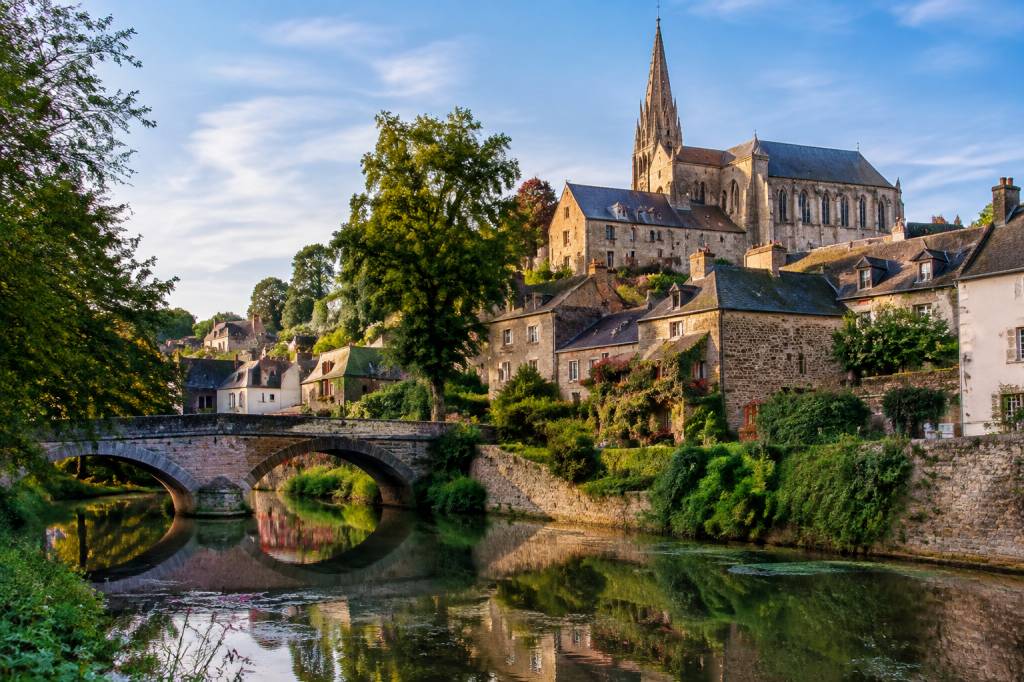
Known as the “Venice of Périgord”, Brantôme is encircled by the Dronne River and filled with stone bridges, riverside restaurants and medieval charm. The town’s Benedictine abbey is built partly into a cliff, making it one of the most intriguing sights in the area.
A gentle canoe trip along the river is one of the best ways to appreciate Brantôme. You can also browse local food shops for walnut products, pâté and regional wines before settling down for an unhurried lunch.
This is the sort of place where the most memorable moments may be as simple as watching ducks glide beneath an old bridge while enjoying a very good pastry.
3. Moustiers-Sainte-Marie, Provence
Perched between limestone cliffs at the entrance to the Verdon Gorge, Moustiers-Sainte-Marie is one of Provence’s most enchanting villages. Its houses climb dramatically up the hillside, while a golden star hangs between two rocky peaks above the town.
The village is famous for its traditional faïence ceramics, so it is a wonderful destination for anyone who enjoys beautiful, useful souvenirs. Visit a workshop to see artisans at work, then climb the steps to the Notre-Dame-de-l’Assomption chapel for sweeping views.
Nearby, the Gorges du Verdon offer opportunities for hiking, kayaking and swimming in astonishingly turquoise water. Pack sensible shoes—those cobbled streets are charming, but they are not particularly forgiving to impractical footwear.
4. Île de Bréhat, Brittany
Just off the northern coast of Brittany, Île de Bréhat is a peaceful island where cars are absent and hydrangeas, agapanthus and wildflowers line the walking paths. It is often called the “Island of Flowers”, and the nickname is well deserved.
Catch a boat from Pointe de l’Arcouest and spend the day exploring on foot or by bicycle. The island combines pink granite landscapes, tiny coves and rugged coastal views. In summer, the light is particularly beautiful, although an early ferry will help you enjoy the quieter side of Bréhat.
Bring a picnic, a light jacket and a camera. The Breton weather may change its mind several times before lunch, but that is part of the adventure.
5. Salers, Auvergne
In the volcanic mountains of central France, Salers is a striking medieval village built from dark volcanic stone. Its fortified gates, carved houses and quiet lanes create an atmosphere that feels wonderfully removed from modern life.
The surrounding Parc Naturel Régional des Volcans d’Auvergne is ideal for scenic drives and walking routes. Food lovers should try Salers cheese, made from the milk of local Salers cows, as well as the region’s hearty mountain dishes.
Salers is especially appealing in spring and early autumn, when the hills are green and the walking trails are less busy. It is a destination for fresh air, excellent food and the satisfying feeling of having gone somewhere slightly under the radar.
6. Étretat’s quieter neighbour: Veules-les-Roses, Normandy
Étretat’s cliffs are spectacular, but Normandy has other coastal treasures that are much less crowded. Veules-les-Roses is one of them. This pretty seaside village is known for the Veules, often described as France’s shortest river, which winds through the town before reaching the sea.
Explore the thatched cottages, flower-filled lanes and watermills, then walk towards the pebble beach and dramatic cliffs. The village is also associated with watercress, which grows along the river and appears in local dishes.
It is a lovely option for a slow weekend by the coast, particularly if you enjoy charming architecture, seafood lunches and walks with plenty of opportunities to stop for photographs.
7. Les Baux-de-Provence, Provence
Les Baux-de-Provence is not entirely unknown, but it is often overshadowed by larger Provençal destinations. Built on a rocky outcrop in the Alpilles, the village offers extraordinary views across olive groves and limestone landscapes.
Its ruined medieval castle is the main attraction, with reconstructed siege machines and panoramic viewpoints. Back in the village, galleries, small boutiques and local food shops fill the atmospheric stone streets.
For something especially memorable, visit Carrières des Lumières, an immersive art experience inside former limestone quarries. Large-scale projections transform the walls and floors into moving artworks accompanied by music—a rainy-day activity with serious visual impact.
8. La Roque-Gageac, Dordogne
La Roque-Gageac is dramatically positioned between the Dordogne River and a sun-warmed cliff. Its honey-coloured houses, tropical gardens and river views make it one of the most photogenic villages in south-west France.
Take a traditional flat-bottomed boat, known as a gabarre, to see the village and surrounding castles from the water. You can also hire a canoe and paddle beneath the cliffs at your own pace.
Arrive early or stay overnight if possible. During the middle of the day, the narrow streets can become busy, while mornings and evenings reveal a much calmer, more magical side of the village.
9. Locronan, Brittany
Locronan is a beautifully preserved Breton village of granite houses, elegant squares and cobbled streets. Its prosperity once came from sailcloth production, and the handsome architecture reflects that maritime history.
The central square is perfect for a slow coffee, while the surrounding lanes are filled with craft shops, galleries and bakeries. Look out for Breton biscuits, handmade ceramics and locally produced cider—ideal treats to take home.
Locronan is also a good base for discovering the rugged Cornouaille coast. Combine a village visit with a trip to nearby beaches and headlands for a balanced mix of culture and sea air.
10. Le Touquet-Paris-Plage, Hauts-de-France
Le Touquet-Paris-Plage offers a stylish seaside escape without requiring a flight to the Mediterranean. Its wide sandy beach, elegant villas, pine forests and independent boutiques give it a distinctly polished yet relaxed personality.
Spend the morning browsing the town’s shops, enjoy moules-frites for lunch and walk along the beach as the tide comes in. The resort is also popular for cycling, horse riding and sand yachting.
It is particularly easy to reach from the UK, making it a practical choice for a long weekend. A little French, a good coat and an appetite for pastries will serve you well.
11. Auvillar, Occitanie
Often described as one of France’s prettiest villages, Auvillar is centred around a remarkable triangular market hall. The elegant timber structure stands in the middle of Place de la Halle and has been a meeting point for centuries.
The village sits along the pilgrimage route to Santiago de Compostela, so it has a welcoming atmosphere and a steady stream of walkers. Wander through the arcaded streets, admire the old stone houses and enjoy views across the Garonne valley.
Auvillar is best experienced slowly. Find a shaded café, order something cold and allow yourself an hour without checking the time. France is very good at reminding us that this is not wasted time.
12. Annecy’s lesser-known lakeside villages, Haute-Savoie
Annecy itself is famous for its canals and crystal-clear lake, but the surrounding villages offer a quieter experience. Talloires, Duingt and Menthon-Saint-Bernard are all worth exploring if you want to enjoy the scenery away from the busiest streets.
Talloires has a peaceful lakeside setting and excellent walking routes. Duingt is home to a fairytale-like château on a narrow peninsula, while Menthon-Saint-Bernard offers mountain views and a beautiful medieval castle.
Hiring a bicycle or taking a local boat makes it easy to see several places in one day. Pack swimwear too—the lake may be chilly, but the setting is too inviting to resist.
13. Saint-Cirq-Lapopie, Lot
Clinging to a cliff above the Lot River, Saint-Cirq-Lapopie looks as though it has been arranged for a film set. Its steep medieval streets, wooden balconies and red-tiled roofs create a captivating atmosphere.
The village has long attracted artists and writers, including the surrealist Man Ray. Today, its galleries and craft shops continue that creative tradition. Take time to explore the nearby towpaths and viewpoints, where the river winds through the green valley below.
The climb through the village can be steep, but the reward is a collection of beautiful views and one of the most atmospheric destinations in southern France.
14. Meersburg, Alsace
Alsace is best known for Strasbourg, Colmar and its charming wine route, but Meersburg offers a more intimate experience. This small village is filled with half-timbered houses, flower boxes and quiet lanes that seem designed for wandering.
Visit the medieval castle, explore local wine cellars and try Alsatian specialities such as tarte flambée and kougelhopf. The surrounding vineyards are particularly lovely in autumn, when the foliage turns shades of copper and gold.
Meersburg is a brilliant choice for travellers who enjoy food, architecture and shopping for regional products. A bottle of local wine or a handmade decoration makes a far more memorable souvenir than another generic fridge magnet.
15. La Gacilly, Brittany
La Gacilly is a small village with a big creative personality. It is the home of Yves Rocher and is known for its annual outdoor photography festival, when large photographic works are displayed throughout the streets and gardens.
Even outside festival season, La Gacilly is worth visiting for its artisan workshops, botanical gardens and attractive stone buildings. You will find jewellery, pottery, soaps and textiles made by local creators, making it a lovely destination for thoughtful shopping.
Take a walk along the river and allow time to browse. This is the kind of place where you might arrive looking for a postcard and leave with handmade ceramics, natural skincare and a new appreciation for Breton creativity.
Planning your quieter French escape
Many of these destinations are easiest to reach by car, particularly those in rural or mountainous areas. France’s train network is excellent for larger towns, but the final stretch to a hidden village may involve a bus, taxi or a little creative planning.
- Travel outside peak summer: May, June, September and early October usually offer pleasant weather and fewer visitors.
- Stay overnight: Day-trippers often leave by early evening, when villages become peaceful and especially atmospheric.
- Book small restaurants ahead: Rural dining rooms may have limited tables, particularly on weekends.
- Carry cash: Some markets, cafés and tiny shops do not accept cards.
- Learn a few French phrases: A friendly “bonjour” and “merci” can make every interaction warmer.
- Pack comfortable shoes: Cobbles, hills and cliffside paths are common features of France’s prettiest places.
The joy of exploring France beyond the famous landmarks is not simply avoiding crowds. It is discovering a slower rhythm, meeting local makers, tasting regional food and finding beauty in places that do not always appear on the first page of a travel guide.
So, which hidden corner of France will you explore first? Just remember to leave a little room in your suitcase. Between the ceramics, cheese, wine and irresistible market finds, you may need it.
More Stories
South of France things to do: unforgettable experiences for your next getaway
South of France tourism: the best places to visit and experiences to enjoy
What to see in South of France: the best places and experiences for an unforgettable trip