
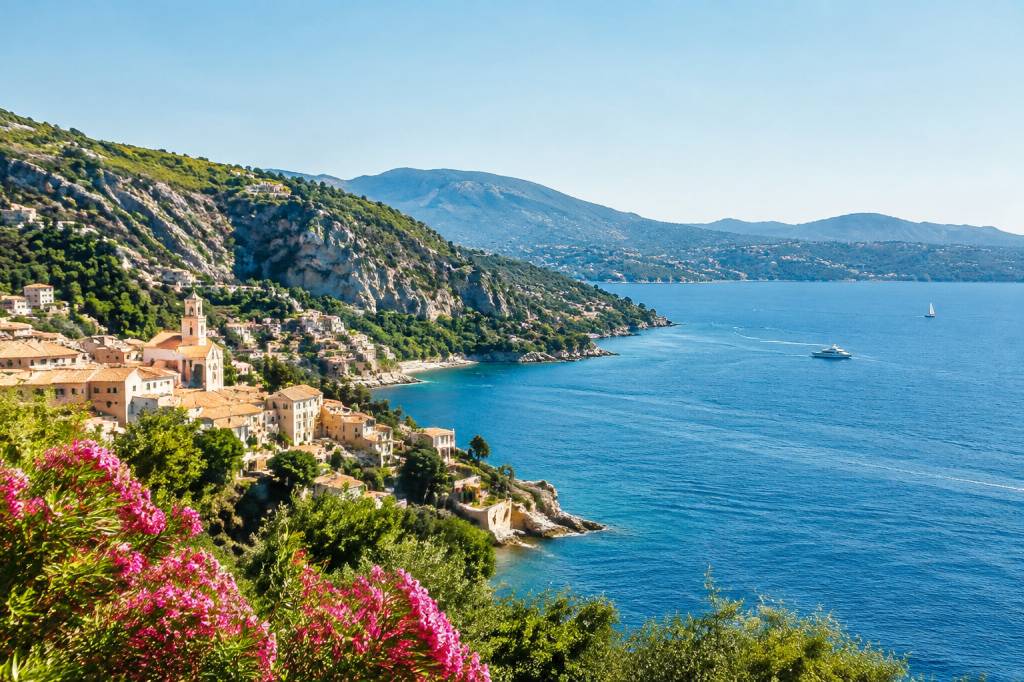
Southern France has a way of making even a simple afternoon feel like an occasion. Think market mornings, long lunches, pastel-coloured old towns and that first glimpse of the Mediterranean after a winding train journey. The region is wonderfully varied, too: you can spend one day browsing boutiques in Nice and the next wandering through lavender country or swimming beneath the cliffs of the Calanques.
So, where should you go? The best answer depends on the holiday you have in mind. Whether you’re after beach time, culture, shopping or a little of everything, these places make a memorable southern France escape—and they’re easy to combine if you have more than a few days.
Nice: seaside glamour with a local feel
Nice is a brilliant base for a first visit to the south. It has the glamour of the French Riviera, but it’s also a real, lively city with neighbourhood bakeries, independent shops and a daily rhythm that carries on beyond the beach. The famous Promenade des Anglais is lovely for a stroll, especially in the early evening, when the sea catches the light and everyone seems to have nowhere urgent to be.
Head into Vieux Nice for narrow lanes, colourful façades and tempting food shops. The Cours Saleya market is a good place to browse flowers, produce and local specialities. Go earlier in the day for the best choice, then find a café nearby for a coffee and a spot of people-watching. If you’re shopping for souvenirs, look for Provençal soaps, olive oil and locally made goods rather than the first key ring you see. Your suitcase will thank you.
For the best views, climb Castle Hill—known as Colline du Château. It’s a little uphill, but the panorama over the rooftops, harbour and Baie des Anges is worth the effort. There’s also a lift if you’d rather save your energy for dinner.
Nice makes a convenient starting point for day trips along the coast. Antibes, Villefranche-sur-Mer and Menton are all reachable by train, so you can enjoy a different seaside town without changing hotels.
Antibes: old-town charm and a dreamy coastline
Antibes is an easy and rewarding day trip, or a relaxed place to stay if you’d like a smaller coastal base. Its old town has ramparts, cobbled lanes and a lively market, while the marina brings a more polished Riviera mood. The contrast is part of the appeal: you can browse market stalls in the morning and admire impressive yachts by lunchtime.
Visit the Marché Provençal for food, spices and local treats, then wander through the old town without a strict plan. The Picasso Museum, housed in the Château Grimaldi, is a lovely stop for art lovers. Afterward, follow the coastal path around Cap d’Antibes for sea views and a glimpse of some of the Riviera’s most beautiful homes.
Bring comfortable shoes and water if you’re walking the headland, and check local access conditions before setting off. Some stretches can be exposed to the sun, and the path is best enjoyed at a leisurely pace—not in the heat of the day with a full shopping bag in each hand.
Marseille: bold, creative and full of flavour
Marseille feels different from the polished resort towns, and that’s precisely why it’s worth visiting. It’s a big, busy port city with a strong character, a rich mix of cultures and excellent food. Give it time rather than treating it as a quick photo stop.
Start at the Vieux-Port, where boats bob in the harbour and cafés spill out towards the water. From there, explore Le Panier, the city’s oldest quarter. Its steep lanes are lined with colourful buildings, small galleries and independent shops. This is a good area to look for locally designed pieces and thoughtful gifts, though half the fun is simply seeing where the streets lead.
For a different perspective, visit the MuCEM, the Museum of European and Mediterranean Civilisations. Its striking architecture sits beside the harbour, and the rooftop walkways offer memorable views. You can also head up to Notre-Dame de la Garde, the hilltop basilica that watches over the city. The climb is steep, but buses and other transport options can make the journey easier.
And the food? Try bouillabaisse if you’re curious about Marseille’s best-known dish, but check the menu and price before ordering: a proper version is a special meal, not usually a quick, inexpensive lunch. For something more casual, choose a local bakery or café and try a navette, a traditional boat-shaped biscuit flavoured with orange blossom.
Cassis and the Calanques: sea, cliffs and a slower pace
If your idea of a perfect holiday includes clear water and dramatic scenery, make time for Cassis. This small harbour town is framed by cliffs and surrounded by vineyards. Its pastel-coloured waterfront is made for an unhurried lunch, but the real draw is the nearby Calanques: narrow inlets where pale limestone cliffs drop towards the sea.
You can explore the Calanques by boat or on foot. Boat trips are an easy way to take in the coastline, while walking routes offer a more active experience and the chance to swim in some of the coves. Access, routes and services can change with weather and seasonal restrictions, so check official local information before you go. In hot weather, set out early, take plenty of water and wear proper footwear—sandals are not ideal for rocky trails.
Cassis is also a lovely place to slow down after a busy city stay. Browse the harbourfront shops, pick up a bottle of local wine or simply settle at a table and watch the boats come and go. Book a popular restaurant ahead during peak season, especially if you have your heart set on a waterfront table.
Aix-en-Provence: elegant streets and market mornings
Aix-en-Provence is one of the prettiest cities in Provence, with grand fountains, handsome townhouses and shady boulevards. It feels refined without being stuffy, and it’s particularly enjoyable on foot. Cours Mirabeau is the obvious place to begin, but the smaller streets nearby are where you’ll find independent boutiques, bookshops and tempting food counters.
Markets are a big part of Aix life. Depending on the day, you may find stalls selling produce, flowers, antiques or clothing in and around the historic centre. Arrive in the morning, when the atmosphere is lively and the best produce is still on display. Pick up fruit, cheese or a flaky pastry for a relaxed picnic—sometimes the simplest holiday lunch is the one you remember most.
Aix is also closely associated with painter Paul Cézanne. Art lovers can visit sites connected with his life and work, including his studio, while anyone who enjoys a good view can look towards Montagne Sainte-Victoire, the landscape he painted so often. If you’re choosing between Aix and a coastal base, consider what matters most: Aix offers culture, cafés and shopping, while the coast puts beaches and swimming closer to hand.
Avignon: history behind the city walls
Avignon brings a different kind of southern French atmosphere. Its historic centre is enclosed by impressive medieval walls, and the Palais des Papes is one of the region’s standout landmarks. Even if you’re not usually keen on historic buildings, it’s hard not to be impressed by the scale of the palace and the sense of history packed into its rooms.
Allow time to wander beyond the main sights. Browse the lanes, pause in a shaded square and take a walk along the Rhône. The famous Pont d’Avignon is another popular stop, with views that are especially lovely in the softer light of late afternoon. In summer, the city’s theatre festival brings an extra buzz, but it also means busier streets and higher demand for accommodation.
Avignon works well as a base for exploring Provence by train or car. Nearby villages and vineyards make tempting excursions, and you can return to the city for dinner without needing to move your bags every night. If you’re travelling in July, book ahead and expect a lively, crowded city—the sort of place where a little planning makes the fun much easier.
The Luberon: hilltop villages and countryside drives
For postcard scenery, head into the Luberon. This area of Provence is known for hilltop villages, stone houses and sweeping countryside. Gordes is one of the most famous stops, with buildings climbing the hillside above a broad valley. Roussillon is another favourite, distinguished by its warm red and orange ochre cliffs.
The villages are beautiful, but they’re also real places where people live. Visit early or later in the day to avoid the busiest hours, park thoughtfully and be considerate in residential lanes. A car gives you the most flexibility, although you’ll want to check distances and parking before setting off—those charming villages are not always as close together as they look on a map.
Summer brings lavender fields to parts of Provence, but flowering times vary with location and weather. If lavender is high on your wish list, check local updates before travelling rather than relying on a particular date from an old photo caption. Even without the flowers, the Luberon is a lovely place for scenic drives, market visits and long lunches in a village square.
The Camargue: wild landscapes and a different side of Provence
South of Arles, the Camargue feels worlds away from the Riviera. This vast wetland landscape is known for salt flats, lagoons, birdlife and its distinctive white horses. It’s a wonderful choice if you want space, nature and a break from the usual beach-town itinerary.
Look out for flamingos in suitable habitats, and consider visiting the Parc Ornithologique du Pont de Gau for an accessible way to see the region’s birdlife. A bicycle can be a great way to explore, but distances are long and the landscape is exposed, so plan your route and bring water, sun protection and a hat. The weather has no interest in whether you remembered yours.
Saintes-Maries-de-la-Mer makes a useful base for exploring the coast and surrounding wetlands. The area is also known for local food, including dishes made with rice grown in the Camargue. It’s a rewarding detour for anyone who wants their southern France holiday to include more than pretty harbours.
How to plan a southern France trip
It’s tempting to fit every famous place into one holiday, but southern France is best enjoyed with room to breathe. Choose two or three bases rather than changing hotels every night. For example, you could stay in Nice for the Riviera, then travel west to Aix-en-Provence or Avignon to explore Provence. Add Marseille or Cassis if you have extra time and want a coastal contrast.
Trains connect many of the larger towns and cities, including Nice, Antibes, Marseille, Aix-en-Provence and Avignon, although some rural villages are easier to reach by car. If you hire a car, check parking arrangements before booking accommodation and allow more time for summer traffic. On the coast, train travel can be less stressful than driving from one busy town to another.
A few simple tips can make the trip feel more enjoyable:
-
Travel in late spring or early autumn for warm days and, often, fewer crowds than in peak summer.
-
Book accommodation and popular restaurants ahead for July and August.
-
Carry a reusable water bottle, sun protection and comfortable shoes, even if your outfit is more Riviera than hiking holiday.
-
Check market days, museum opening times and trail access locally; schedules can vary by season.
-
Leave space in your suitcase for market finds, local ceramics or a bottle of Provençal olive oil—but wrap anything breakable carefully.
Southern France is not one single kind of holiday. It can be a city break in Nice, a food-filled weekend in Marseille, a countryside escape in the Luberon or a few sun-soaked days beside the sea. Choose the places that match your pace, leave a little room for unexpected detours and don’t underestimate the joy of a long lunch. That, after all, is part of the destination.

More Stories
South of France beautiful places to visit on your next trip
The nicest places south of France for an unforgettable getaway
France hidden gems: 15 enchanting places to discover beyond the tourist trail