
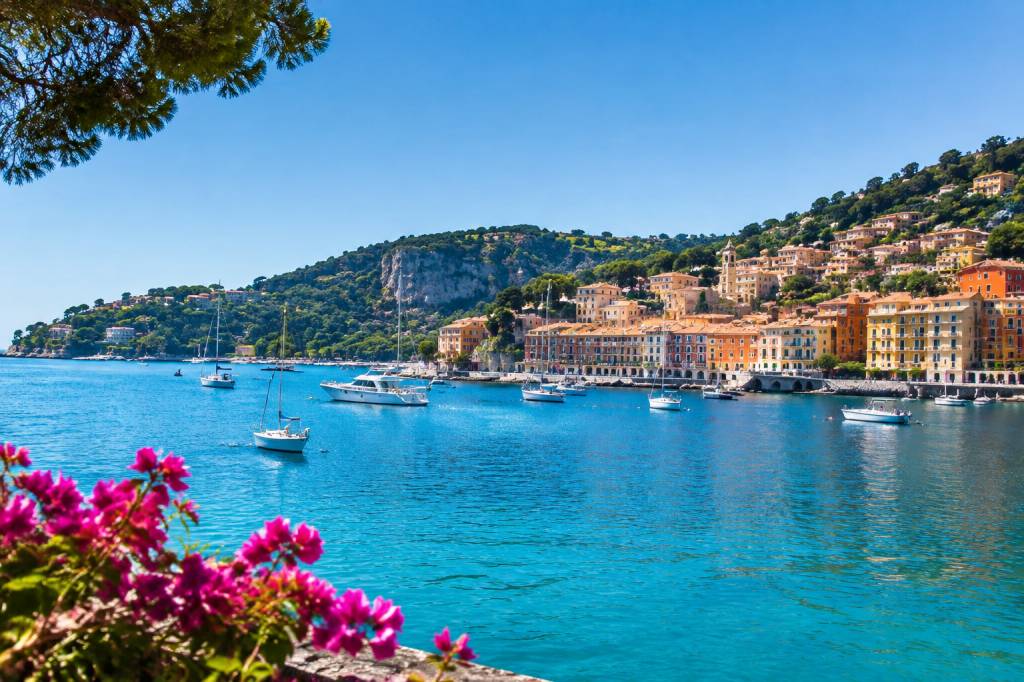
The south of France has a way of making even an ordinary afternoon feel like a holiday. One minute you’re wandering through a market with a paper bag of cherries; the next, you’re sitting beside the sea, wondering whether it’s too early for a second ice cream. (It isn’t.)
But “the south of France” covers a lot of ground. Do you picture lavender fields and hilltop villages, glamorous beach clubs, or long lunches in a lively city? For a memorable break, the best destination depends on the kind of holiday you want. Here are some lovely places to consider, plus practical tips to help you make the most of them.
Provence: the classic south-of-France escape
If your dream trip involves village markets, warm stone buildings and countryside views, Provence is a wonderful place to start. It’s not one single town but a broad region, so you can combine a city stay with days spent exploring smaller places. Aix-en-Provence makes a particularly easy base: it has elegant streets, shaded squares, cafés and enough shops to keep a relaxed afternoon pleasantly occupied.
In Aix, browse the independent boutiques around the old town, then head to a food market for seasonal produce, cheese and something delicious for later. Markets vary by day, so check local listings before you plan your morning. Arriving early is useful if you want the best choice—and if you’d rather browse before the busiest hours.
For a change of pace, take a day trip into the Luberon. Villages such as Gordes, Roussillon and Lourmarin offer winding lanes, handsome views and small shops selling local crafts, ceramics and Provençal products. Roussillon is known for its ochre-coloured landscape, which gives the village a palette quite unlike anywhere else in the region. Wear comfortable shoes: pretty lanes are often steep, uneven, or both.
Provence is especially rewarding in late spring and early autumn, when the weather is often pleasant and popular spots can feel less crowded than in peak summer. Lavender season is a big draw, but flowering times vary with the year and location. If seeing the fields is high on your wish list, check current local updates rather than relying on a fixed calendar.
Nice: the best all-rounder for a first visit
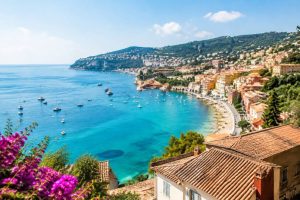
For a holiday that mixes beach time, culture, easy transport and shopping, Nice is hard to beat. The city has a lively centre, a famous seafront promenade and a practical tram network, so you can enjoy a car-free stay without feeling stuck in one neighbourhood. It’s also a useful base for exploring other Riviera towns by train.
Start in Vieux Nice, where narrow streets are full of cafés, food shops and colourful façades. The Cours Saleya market is a lovely place to browse flowers and regional produce; opening days and market arrangements can vary, so check before setting out. If you’re shopping for souvenirs, look for local specialities such as olive oil, soaps and sweets rather than the first mass-produced magnet you see. Your suitcase will thank you.
Nice’s beach is mainly pebbly, so bring sandals if you plan to spend a long time by the water. Public beaches offer a simple, budget-friendly option, while private beach clubs provide loungers and food for a fee. The sea view is lovely either way; your holiday budget may have a preference.
When you want a break from the waterfront, visit a museum, explore the old town or climb Castle Hill for a sweeping view across the rooftops and bay. Nice is also well connected to places such as Villefranche-sur-Mer, Antibes and Cannes, making a day trip easy to arrange by train.
Antibes: seaside charm with a shopping-friendly old town
Antibes offers a more intimate Riviera feel than Nice, while still giving you plenty to do. Its old town is made for a leisurely wander: browse the covered market, follow the lanes towards the ramparts and pause for a drink near the harbour. Shops range from everyday essentials to independent boutiques and galleries, so there’s room for both practical holiday shopping and a special find.
The Marché Provençal is a good stop for local food and a glimpse of daily life, though it’s wise to check its current schedule and seasonal hours. Pick up picnic ingredients, then find a spot by the sea. If you’re staying nearby, a small picnic can be a more relaxed—and often less expensive—alternative to a waterfront restaurant.
Antibes is also home to the Picasso Museum, housed in the Château Grimaldi. It’s worth checking opening times and exhibitions in advance, especially during busier months. For beach days, you’ll find a choice of sandy stretches in and around the area, but popular spots can fill up quickly in summer. Arrive earlier in the day if you want a quieter patch of shoreline.
Marseille: for food, culture and city energy
Marseille is a brilliant choice if you like your holidays with a little buzz. France’s oldest major city is diverse, colourful and proudly individual. It may feel less polished than some Riviera resorts, but that is part of its appeal: Marseille has working harbour life, contemporary culture and neighbourhoods with their own distinct character.
The Old Port is an easy place to begin. From there, explore Le Panier, with its steep lanes, street art and independent shops, or visit the MuCEM for exhibitions and striking architecture by the water. The nearby Fort Saint-Jean is another scenic stop, and the views alone make it worth allowing extra time.
Food is a big part of the experience. Try local seafood, browse bakeries and markets, and make time for a proper lunch. Bouillabaisse is one of the city’s best-known dishes, but it’s traditionally a substantial meal, so check restaurant menus and prices before booking. For a more casual bite, a bakery stop or market picnic can be just as memorable.
If you want a swim, the Calanques National Park offers dramatic coves and clear water beyond the city. Access can involve walking over rocky paths, and conditions or entry rules may change with weather and fire risk. Check official local guidance before you go, bring plenty of water and wear sturdy shoes—not the sandals you bought for the beach promenade.
Arles and the Camargue: for a slower, more distinctive trip
Prefer history, wide-open landscapes and a gentler pace? Consider Arles and the Camargue. Arles is known for its Roman heritage, its photogenic streets and its connection to Vincent van Gogh. You can spend a rewarding day moving between ancient monuments, galleries and cafés, with plenty of opportunities to shop for prints, crafts and regional specialities.
Beyond the city, the Camargue feels wonderfully different from the classic Riviera. This wetland landscape is known for its wildlife, salt flats, horses and flamingos. A guided outing can help you explore responsibly and learn about the area’s delicate habitats. Bring binoculars if you enjoy birdwatching, and remember that wildlife sightings are never guaranteed—nature doesn’t work to a holiday itinerary.
Arles is particularly appealing if you want to avoid a trip built entirely around beaches. It also pairs well with a few nights in Provence, giving you a varied holiday without racing from one famous spot to another.
How to choose the right base
Think about what you want most from your time away. The Riviera suits travellers who want beaches, restaurants and easy train trips. Provence is better for village-hopping, countryside scenery and market mornings. Marseille brings city energy and culture, while Arles and the Camargue offer a more unusual mix of history and nature.
-
For a first trip: Choose Nice for straightforward transport and a good mix of city and seaside.
-
For a romantic break: Stay in Aix-en-Provence or a smaller Luberon village, and plan unhurried lunches and evening walks.
-
For beach days: Consider Antibes or Nice, and check whether your preferred beaches are sandy or pebbly.
-
For culture and food: Pick Marseille, where museums, markets and neighbourhood restaurants can fill several days.
-
For nature and a slower rhythm: Base yourself in or near Arles and explore the Camargue with local guidance.
When to go and what to pack
Summer brings long sunny days, busy beaches and lively markets, but also higher prices and larger crowds. Late spring and early autumn can be a sweet spot for sightseeing and outdoor dining. Winter is quieter and can be mild, particularly on the coast, though some seasonal businesses may have reduced opening hours.
Pack for walking as well as relaxing. Comfortable shoes are essential for old-town lanes and village steps; a hat, reusable water bottle and sunscreen are useful in warm weather. If you’re planning coastal hikes, bring shoes with grip and check conditions before setting out. A light layer is handy too, especially for breezy evenings by the sea.
For shopping, leave a little space in your luggage for market finds. Local olive oil, herbs, soap, textiles and ceramics make thoughtful keepsakes, but check airline rules before buying liquids. At food markets, a friendly “bonjour” before asking a question goes a long way—and a reusable tote is much easier than juggling three paper bags and a peach.
Make the holiday feel like yours
The best destination south of France is the one that matches your idea of a good day. Perhaps that means swimming before breakfast in Nice, browsing a village market in Provence, or spending an afternoon discovering Marseille’s galleries and cafés. You don’t need to see every famous place in one trip. Choose one comfortable base, leave room for spontaneous detours and let a good lunch take as long as it takes.
That’s often where the most memorable moments happen: a tiny shop you nearly walked past, a view found at the end of a lane, or a market snack eaten on a sunny bench. The south of France has plenty of headline attractions, but it’s the small pleasures that tend to follow you home.
More Stories
South of France beautiful places to visit on your next trip
Southern France where to go: the best places to visit for a memorable holiday
The nicest places south of France for an unforgettable getaway