
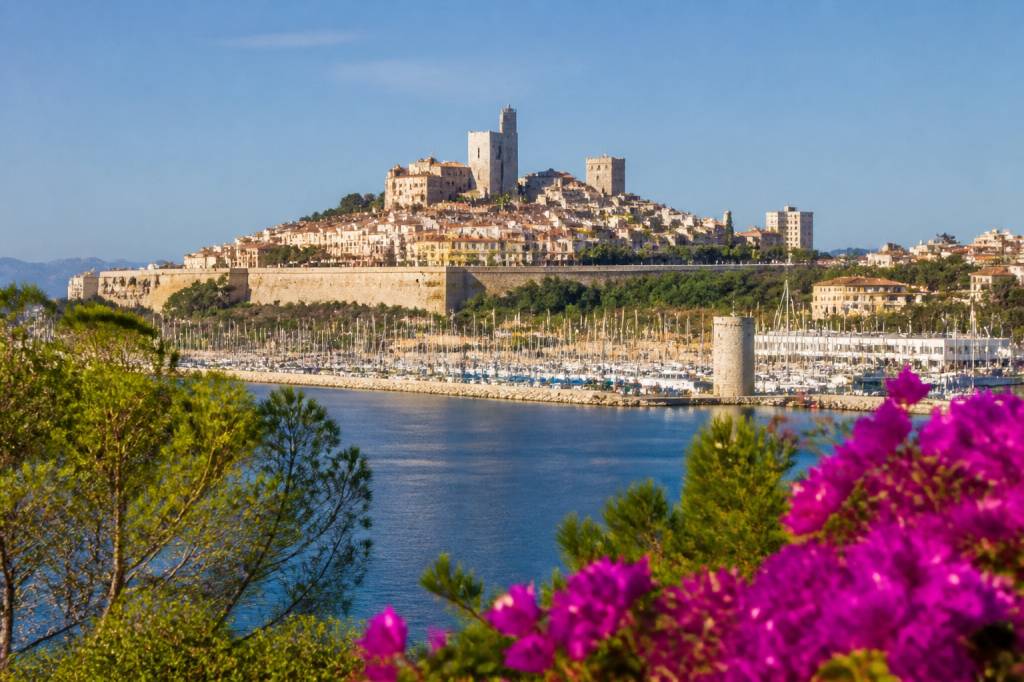
Southern France has a way of making ordinary moments feel wonderfully cinematic. One minute you are wandering through a medieval village, the next you are swimming in turquoise Mediterranean water or sipping something chilled beneath a canopy of plane trees. From glamorous coastal cities to peaceful mountain landscapes, this part of France is packed with places that deserve far more than a quick photo stop.
Whether you are planning a long summer holiday, a romantic weekend or a road trip with friends, these are the tourist attractions in the south of France that should be on your list. Pack comfortable shoes, leave a little room in your suitcase for local treats, and prepare to fall in love with the French art of enjoying life.
Nice: the perfect introduction to the French Riviera
Nice is one of the best places to begin exploring southern France. It has the energy of a city break, the beauty of a beach destination and enough history to keep curious travellers busy for days.
Start with a stroll along the Promenade des Anglais, the famous seafront boulevard stretching beside the Baie des Anges. The views are beautiful at any time of day, but early morning is particularly magical when the water is calm and the city is just waking up. If you prefer a slower pace, find a blue chair, sit back and watch the world go by.
Nice’s Old Town, or Vieux Nice, is full of colourful buildings, narrow lanes and lively squares. The Cours Saleya market is a must-visit, especially if you enjoy browsing local produce, flowers and regional specialities. Try a slice of socca, a savoury chickpea pancake that is deliciously crisp around the edges.
For the best panoramic view, climb up to Castle Hill. There is no longer a castle at the top, but the viewpoint is spectacular. You can see the red rooftops of the Old Town, the sweep of the coastline and the Alps in the distance. It is worth the steps, although your legs may have a different opinion.
- Best for: beaches, food, culture and city breaks.
- Do not miss: the Cours Saleya market and Castle Hill.
- Useful tip: Nice is easy to explore without a car, and trains connect it with many nearby coastal towns.
Èze: a hilltop village with spectacular views
Just a short journey from Nice, Èze looks as though it has been carefully placed on the mountainside for maximum drama. This medieval village is known for its stone buildings, winding streets and incredible views over the Mediterranean.
The climb through the village is part of the experience. Small galleries, boutiques and cafés appear around nearly every corner, making it easy to pause regularly. At the top, the Exotic Garden is filled with cacti and Mediterranean plants, while the viewpoint offers one of the most memorable vistas on the Côte d’Azur.
Èze is especially beautiful in the morning before the larger tour groups arrive. Wear sensible shoes because the cobbled paths can be steep and slippery. If you are travelling by public transport, check the return bus times carefully; missing the last convenient connection is not quite the romantic adventure anyone has in mind.
Monaco: glamour, gardens and grand views
Although Monaco is an independent principality rather than part of France, it is a popular stop on any French Riviera itinerary. Its famous casino, luxury yachts and Formula One circuit give it a glamorous reputation, but there is more to see than designer shops and expensive cars.
Visit the Rock of Monaco to explore the old town and see the Prince’s Palace. The Oceanographic Museum is another highlight, especially for families, with fascinating marine displays and impressive aquariums. The Exotic Garden offers a peaceful escape and wonderful views across the principality.
Monaco is compact, but it is built on steep slopes, so comfortable shoes are essential. A single day is enough to see the main sights, although you may want to stay longer if you enjoy fine dining, museums or simply observing the spectacular yachts in the harbour.
Cannes beyond the red carpet
Cannes is famous for its international film festival, but you do not need a celebrity invitation to enjoy the city. The palm-lined Croisette is ideal for a leisurely walk, with sandy beaches, elegant hotels and designer boutiques creating a polished seaside atmosphere.
For a more historic side of Cannes, head to Le Suquet, the old quarter built on a hill above the port. Its narrow streets lead to a church and viewpoint overlooking the city. The area also has some excellent restaurants where you can enjoy fresh seafood away from the busiest parts of the waterfront.
If you have time, take a boat to the Lérins Islands. Île Sainte-Marguerite is known for its pine forest, clear water and the former prison associated with the mysterious Man in the Iron Mask. It is an easy way to enjoy nature after the glamour of central Cannes.
Saint-Paul-de-Vence: an artistic escape
Saint-Paul-de-Vence is one of the most famous hilltop villages in Provence and has long attracted painters, writers and creative souls. Its medieval walls surround a maze of stone lanes filled with art galleries, small shops and inviting restaurants.
The village is charming, but it can become busy during the middle of the day. Arrive early or visit later in the afternoon when the light softens and the streets feel more atmospheric. Art lovers should make time for the Fondation Maeght nearby, a remarkable modern art museum set among gardens and sculptures.
This is an excellent place to buy a meaningful souvenir rather than another generic fridge magnet. Look for handmade ceramics, local artwork or Provençal textiles that will remind you of the trip long after you return home.
Marseille: lively, colourful and full of character
Marseille is one of France’s most fascinating cities. It is energetic, multicultural and occasionally gloriously chaotic. Some visitors expect a polished resort and are surprised by its gritty, authentic personality. Give it time and you will discover a city with a huge amount of charm.
The Old Port, or Vieux-Port, is the natural starting point. Fishing boats, restaurants and waterfront cafés surround the harbour, while the daily fish market offers a glimpse of the city’s strong connection with the sea. From here, walk up to the basilica of Notre-Dame de la Garde. The church is beautiful, but the panoramic view across Marseille is the real star.
Do not leave without exploring Le Panier, the city’s oldest neighbourhood. Its colourful façades, street art and independent shops make it a rewarding place to wander. Food lovers should try bouillabaisse, Marseille’s famous fish stew, or sample navettes, small orange-blossom biscuits traditionally associated with the city.
- Best for: history, food, street art and urban adventures.
- Do not miss: Notre-Dame de la Garde and Le Panier.
- Useful tip: use public transport in the city centre, as parking can be difficult and expensive.
The Calanques: nature at its most dramatic
Between Marseille and Cassis, the Calanques National Park combines towering limestone cliffs, hidden coves and unbelievably clear water. It is one of the most beautiful natural attractions in southern France.
You can explore the calanques on foot, by boat or by kayak. Calanque de Sormiou, Morgiou and Sugiton are among the best-known, but each has its own atmosphere. Hiking routes can be demanding, particularly during hot weather, so take plenty of water, wear sturdy footwear and start early.
Access restrictions sometimes apply during the summer because of wildfire risk. Check official local information before setting out, especially if you are planning to visit in July or August. A boat trip from Marseille or Cassis is a wonderfully relaxed alternative and gives you a different perspective of the cliffs.
Cassis: a pretty harbour town with plenty of charm
Cassis is smaller and more relaxed than Marseille, making it ideal for a day trip or a few peaceful nights beside the sea. The harbour is lined with colourful buildings, cafés and restaurants, and the town’s beaches are perfect for a refreshing swim.
Take a boat tour of the calanques from the harbour, then return to explore the narrow streets and local boutiques. Cassis is also known for its vineyards, so consider visiting a nearby estate for a tasting of the region’s white and rosé wines.
For a memorable view, walk or drive up to Cap Canaille, one of Europe’s highest sea cliffs. The reddish rock and deep blue water create a striking contrast, particularly around sunset.
Avignon: papal history and Provençal atmosphere
Avignon is one of the essential cultural stops in Provence. Its historic centre is surrounded by medieval walls and dominated by the Palais des Papes, the enormous former residence of the popes during the 14th century.
The palace is impressive from the outside, but an interior visit reveals grand halls, chapels and fascinating details from its religious and political past. After exploring, stroll through the old streets towards the famous Pont d’Avignon. Only part of the original bridge remains, but it is one of the most recognisable landmarks in France.
Avignon is also a wonderful base for discovering Provence’s markets, vineyards and lavender fields. During the summer, the city hosts a major theatre festival, filling the streets with performances and a wonderfully creative atmosphere.
Arles: Roman ruins and creative energy
Arles blends ancient history with a lively cultural scene. The Roman amphitheatre is the city’s most famous monument and is still used for events. Nearby, you will find the Roman theatre, historic squares and beautifully preserved streets.
The city is closely associated with Vincent van Gogh, who lived and worked here in the late 19th century. Follow the Van Gogh trail to see locations that inspired some of his paintings, although the original artworks are displayed in museums elsewhere.
Arles is also the gateway to the Camargue, a unique natural region known for white horses, black bulls, pink flamingos and wide-open landscapes. A guided excursion is a good option if you want to see wildlife without worrying about navigation.
Carcassonne: step into a medieval fairytale
Carcassonne sits slightly inland but is too spectacular to leave off a southern France itinerary. Its fortified medieval city, known as the Cité de Carcassonne, looks like something from a storybook, complete with towers, stone walls and dramatic gateways.
Walk along the ramparts, explore the Basilica of Saints Nazarius and Celsus, and wander through the narrow lanes inside the fortress. It is a popular destination, so visiting early in the day will give you a calmer experience.
For a different perspective, take a boat ride along the Canal du Midi. The peaceful waterway is lined with trees and offers a slower, greener way to enjoy the surrounding landscape.
Gorges du Verdon: France’s turquoise adventure playground
The Gorges du Verdon is often called the Grand Canyon of Europe, and the comparison is easy to understand. Towering limestone cliffs surround a river that shifts from deep blue to bright turquoise, creating one of the most breathtaking landscapes in Provence.
Outdoor enthusiasts can hike, kayak, paddleboard or simply enjoy scenic drives along the gorge. Lac de Sainte-Croix is particularly popular for swimming and renting pedal boats. The water is so vivid that you may wonder whether someone has adjusted the colour settings in real life.
Plan carefully during peak season, as roads can be busy and activities often need to be booked in advance. Spring and early autumn offer pleasant temperatures and fewer crowds than the height of summer.
Practical tips for exploring southern France
Southern France is wonderfully varied, but a little planning will make your trip much easier. The region is well connected by trains between major cities, while a car is useful for reaching hilltop villages, vineyards and remote natural attractions.
- Travel between May and June or September and October for warm weather and fewer crowds.
- Book popular attractions, boat trips and restaurants ahead of time during July and August.
- Carry water, sunscreen and a hat, especially when visiting villages or hiking in the Calanques and Verdon Gorge.
- Wear comfortable shoes. Cobbled streets and steep viewpoints are part of the charm, but not ideal for brand-new sandals.
- Learn a few simple French phrases. A friendly “bonjour” and “merci” go a long way.
- Leave time for unplanned stops. A roadside market, village bakery or quiet beach may become one of your favourite memories.
From the glittering Riviera to the lavender-scented landscapes of Provence, southern France offers something for every kind of traveller. You can spend the morning admiring Roman ruins, the afternoon swimming in a hidden cove and the evening enjoying dinner beneath the stars. That combination of beauty, history, food and effortless charm is exactly why this corner of France remains so unforgettable.

More Stories
Is Nancy France worth visiting? A complete guide for English travellers
Places to see in south of France for an unforgettable getaway
Exploring the south France countryside: charming villages, local food and scenic escapes