
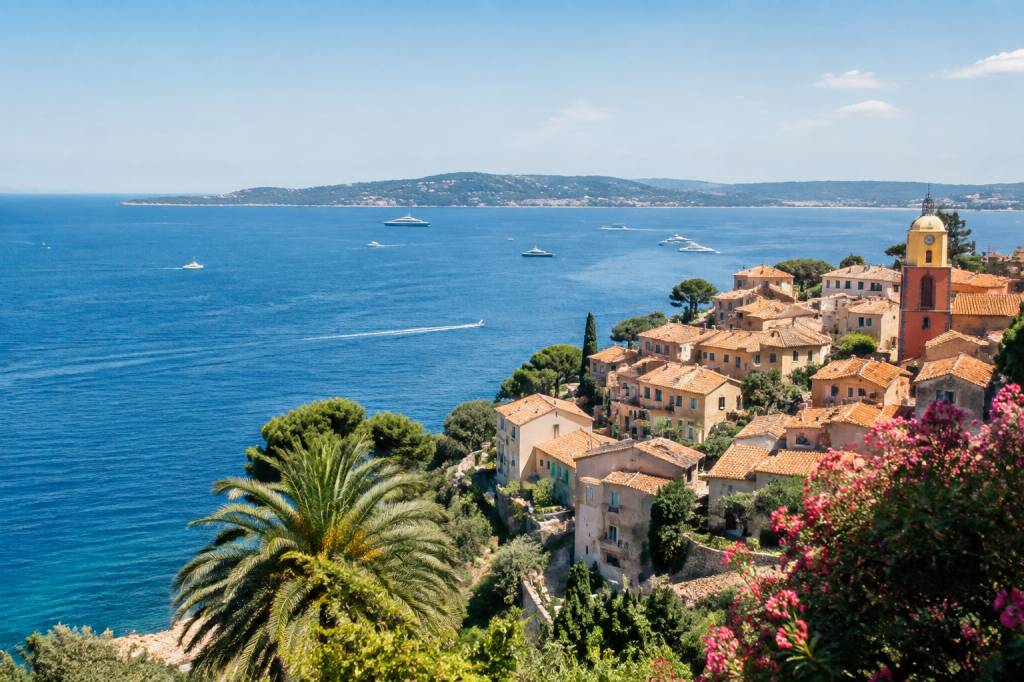
South of France is the kind of destination that makes ordinary plans feel wonderfully unnecessary. One minute you are wandering through a medieval village, the next you are swimming in turquoise water, browsing a Provençal market or enjoying a long lunch that somehow lasts all afternoon. From glamorous coastal towns to peaceful mountain landscapes, this corner of France has an experience for every kind of traveller.
Whether you are planning a romantic escape, a stylish girls’ trip or a sunshine-filled family holiday, the south of France offers far more than pretty beaches. Here is my guide to the places, activities and little moments that deserve a place on your itinerary.
Start with the glamour of the French Riviera
The Côte d’Azur is famous for its sunshine, designer boutiques and impossibly beautiful coastline. It can be glamorous, certainly, but it is also surprisingly varied. You can spend the morning admiring superyachts in Monaco and the afternoon eating socca in a traditional Nice market.
Nice is an excellent base for exploring the Riviera. Begin with a stroll along the Promenade des Anglais, where the Mediterranean stretches out in every shade of blue. The famous promenade is ideal for an early morning walk or a sunset cycle, although be warned: you may stop every few minutes for another photograph.
In the old town, known as Vieux Nice, colourful buildings line narrow streets filled with cafés, bakeries and small shops. Visit Cours Saleya market for flowers, fresh produce and local specialities. Try socca, a crispy chickpea pancake that is one of Nice’s signature snacks, and save room for a scoop of gelato afterwards.
- Climb Castle Hill for panoramic views over Nice.
- Explore the old town early in the day before the streets become busy.
- Book a table for a seafood lunch near the port.
- Try a traditional salade niçoise, but expect passionate opinions about what belongs in it.
Spend a day in glamorous Cannes
Cannes is best known for its film festival, but you do not need a red-carpet invitation to enjoy it. Take a walk along La Croisette, the palm-lined boulevard that runs beside the beach, and browse the luxury boutiques if your shopping list is feeling ambitious.
For a quieter experience, head up to Le Suquet, Cannes’ oldest neighbourhood. Its steep, winding streets lead to a hilltop church and a viewpoint overlooking the rooftops, harbour and sparkling sea. It is a lovely place to visit in the late afternoon, when the light turns everything golden.
If you have time, take a boat to the Îles de Lérins. Sainte-Marguerite is known for its eucalyptus and pine forests, peaceful walking trails and clear swimming spots. The island also has a fascinating fortress, linked to the story of the mysterious Man in the Iron Mask. History, sunshine and a boat trip in one day? That sounds like excellent holiday planning.
Discover the charm of Antibes and Juan-les-Pins
Antibes has a more relaxed, artistic atmosphere than some of its famous neighbours. Its old town is packed with charming streets, independent shops and restaurants serving Provençal food. Walk along the old ramparts for beautiful views across the water and towards the Alps on a clear day.
Art lovers should visit the Musée Picasso, housed in the Château Grimaldi. Picasso worked here for a short period, and the museum displays a selection of his paintings, drawings and ceramics. The setting alone is worth the visit, with the building perched dramatically above the sea.
Nearby Juan-les-Pins is known for its sandy beaches and lively summer atmosphere. It is a good choice if you want a traditional beach day without giving up access to restaurants, cafés and shops. Pack a book, apply plenty of sunscreen and settle into the very French art of doing absolutely nothing for a few hours.
Visit the postcard-perfect villages
Some of the most memorable places in the south of France are not cities at all. They are hilltop villages with stone houses, flower-filled balconies and views that seem designed for a travel magazine cover.
Èze is one of the most popular villages on the French Riviera, and for good reason. Its medieval streets climb dramatically above the coast, leading to an exotic garden with spectacular views. Wear comfortable shoes, as the cobbled lanes are beautiful but not especially friendly to high heels.
Saint-Paul-de-Vence is another essential stop. This fortified village has long attracted artists, writers and creative travellers. Browse its galleries, enjoy lunch on a sunny terrace and walk along the ancient walls. It is touristy, but it still has a strong sense of place, particularly if you visit early in the morning or later in the afternoon.
Gourdon, perched high above the Loup Valley, offers impressive views over the surrounding countryside. The village is smaller and quieter, making it a lovely stop for anyone who wants to experience the peaceful side of the Riviera.
- Visit in the morning or late afternoon to avoid the strongest heat.
- Check parking arrangements before arriving, as many historic villages restrict cars.
- Carry water and wear shoes with a good grip.
- Look for local products such as lavender honey, olive oil and handmade soaps.
Explore Provence through its markets and landscapes
Provence is where the south of France becomes wonderfully sensory. Think lavender fields, olive groves, vineyards, sun-warmed stone and the scent of herbs drifting through village squares.
A Provençal market is one of the best ways to experience the region. Depending on the season, you may find peaches, cherries, tomatoes, local cheeses, fresh bread, cured meats and colourful bunches of flowers. Markets vary from village to village, so ask locally which one is worth visiting during your stay.
Aix-en-Provence is a beautiful base for exploring the area. Its elegant streets, fountains and shaded squares invite you to slow down. Walk along the Cours Mirabeau, explore the old town and visit the markets around Place Richelme. The city is also closely associated with painter Paul Cézanne, and you can follow walking routes connected to his life and work.
Avignon is another fascinating destination, particularly for history lovers. The Palais des Papes dominates the city and is one of Europe’s most impressive medieval buildings. The famous Pont d’Avignon is also worth seeing, even if it stops rather abruptly in the middle of the Rhône. It is a reminder that ambitious engineering projects do not always go perfectly.
See the lavender fields in bloom
Lavender is one of the most recognisable symbols of Provence, but timing matters. The main flowering season is usually from mid-June to early August, with variations depending on altitude, weather and location. July is often the safest month for vibrant purple fields, although it is also a popular time to visit.
The Plateau de Valensole is one of the best-known areas for lavender. Driving through the countryside here is an experience in itself, with long stretches of purple, golden wheat and distant mountains. Stop respectfully at designated areas, avoid trampling crops and remember that the fields are working farms rather than photo studios.
For a quieter alternative, look towards the Luberon or the area around Sault. These regions offer beautiful scenery, charming villages and fewer crowds in some areas. A hire car makes exploring much easier, especially if you want to visit several villages in one day.
Swim, hike and paddle in the Calanques
Between Marseille and Cassis, the Calanques National Park is home to dramatic limestone cliffs, hidden coves and intensely blue water. It is one of the most spectacular natural areas in southern France.
You can explore the calanques on foot, by boat or by kayak. The hiking routes range from manageable coastal walks to more demanding trails, so check conditions before setting out. Some paths are steep and exposed, and hot summer temperatures can make even a short hike feel rather heroic.
Boat trips from Marseille or Cassis are a comfortable way to see the coastline and reach coves that may be difficult to access on foot. Kayaking offers a more active experience and allows you to explore small inlets at your own pace. Bring water, sun protection and snacks, because the best swimming spots may not have cafés nearby.
Access restrictions can apply during the summer due to fire risk, especially on very hot or windy days. Always check the official park information before travelling.
Experience the energy of Marseille
Marseille is lively, multicultural and full of character. It is not polished in the same way as Nice or Cannes, but that is part of its appeal. The city rewards curious travellers who are happy to explore beyond the obvious attractions.
Start at the Vieux-Port, where fishing boats and pleasure vessels share the water. From here, walk through the Le Panier district, a maze of colourful buildings, street art and independent shops. The neighbourhood is ideal for a slow wander, with plenty of opportunities to stop for coffee or browse local crafts.
Visit the Basilique Notre-Dame de la Garde for one of the best views across the city and the Mediterranean. You can walk up if you are feeling energetic or take public transport for an easier journey. Back at sea level, try bouillabaisse, Marseille’s famous fish stew. It is traditionally served in several stages and is best enjoyed at a restaurant that specialises in the dish.
For a cultural afternoon, visit MuCEM, the Museum of European and Mediterranean Civilisations. Its striking modern architecture contrasts beautifully with the historic Fort Saint-Jean next door.
Take a scenic trip through the Luberon
The Luberon is perfect for a road trip. Its villages, vineyards and rolling hills create the kind of landscape that encourages spontaneous stops. You might set out for one destination and end up spending an hour in a tiny village because you spotted an inviting café. This is not bad planning; it is simply the Luberon way.
Gordes is one of the region’s most famous villages, built into the hillside with spectacular views across the valley. Roussillon is known for its red and orange ochre cliffs, which give the village a warm, almost cinematic appearance. Ménerbes, Lourmarin and Bonnieux are also worth adding to your route if you have several days.
Visit local vineyards, sample regional olive oil and look for accommodation in a traditional stone house or countryside guesthouse. A swimming pool is highly recommended, particularly during the warmer months. Provence is beautiful, but the midday sun does not believe in modesty.
Enjoy a slower side of the south
One of the best things to do in the south of France is to leave space in your itinerary. You do not need to fill every day with museums, beaches and long drives. Some of the loveliest moments happen when you are sitting beneath plane trees with a coffee, buying fresh bread from a village bakery or watching the sunset from a quiet terrace.
Try a wine tasting in Provence, book a cooking class or spend an afternoon cycling through the countryside. If wellness is your priority, look for a spa hotel near Aix-en-Provence, Avignon or the coast. For a touch of luxury, stay in a château or a boutique hotel with views over the vineyards.
Useful tips for planning your trip
- Choose your base carefully: Nice is ideal for the Riviera, while Aix-en-Provence, Avignon or a Luberon village work well for inland adventures.
- Consider hiring a car: Public transport connects the major towns, but a car gives you much more freedom in Provence and the smaller villages.
- Book ahead in summer: Popular restaurants, boat trips and boutique hotels can fill quickly between June and August.
- Pack for warm days and cool evenings: Light layers, comfortable shoes, sunglasses and a hat will serve you well.
- Travel outside peak season: May, June, September and early October often offer pleasant weather with fewer crowds.
- Respect local customs: Learn a few French phrases, dress appropriately when visiting churches and greet shopkeepers with a friendly “bonjour”.
South France is a destination that can be as glamorous, adventurous, peaceful or indulgent as you want it to be. You can explore colourful markets, swim beneath limestone cliffs, follow in the footsteps of artists or simply spend an afternoon enjoying a long lunch in the sunshine.
My advice? Plan a few must-see experiences, then leave room for the unexpected. The most unforgettable memories may come from the village you had never heard of, the market stall you nearly walked past or the sunset you stopped to watch on your way back to the hotel.
More Stories
What to see in South of France: the best places and experiences for an unforgettable trip
Best place in South of France to visit for an unforgettable getaway
What to do in southern France: the ultimate guide to unforgettable experiences